another
Stone
Gunsoo Kim · Furniture Designer · Art Furniture
0105
I am someone who stands for a long time in front of stones. Like the standing stones at a village entrance, the cairns of a seonangdang shrine, or the dolmens, our ancestors did not try to master nature; they leaned on it and stayed beside it. Touched as if untouched; deeper precisely because unadorned. What I have held onto in making furniture is, in the end, this attitude of muwi-jayeon—effortless naturalness.
Yet I am also a person of my own time. We live moving ceaselessly between physical reality and cyberspace through a screen the size of a palm. If keeping tradition means repeating old forms, I have no intention of staying there. Just as the carpenters of Joseon made the finest furniture with the tools of their day, I want to rewrite that spirit with the tools of mine.
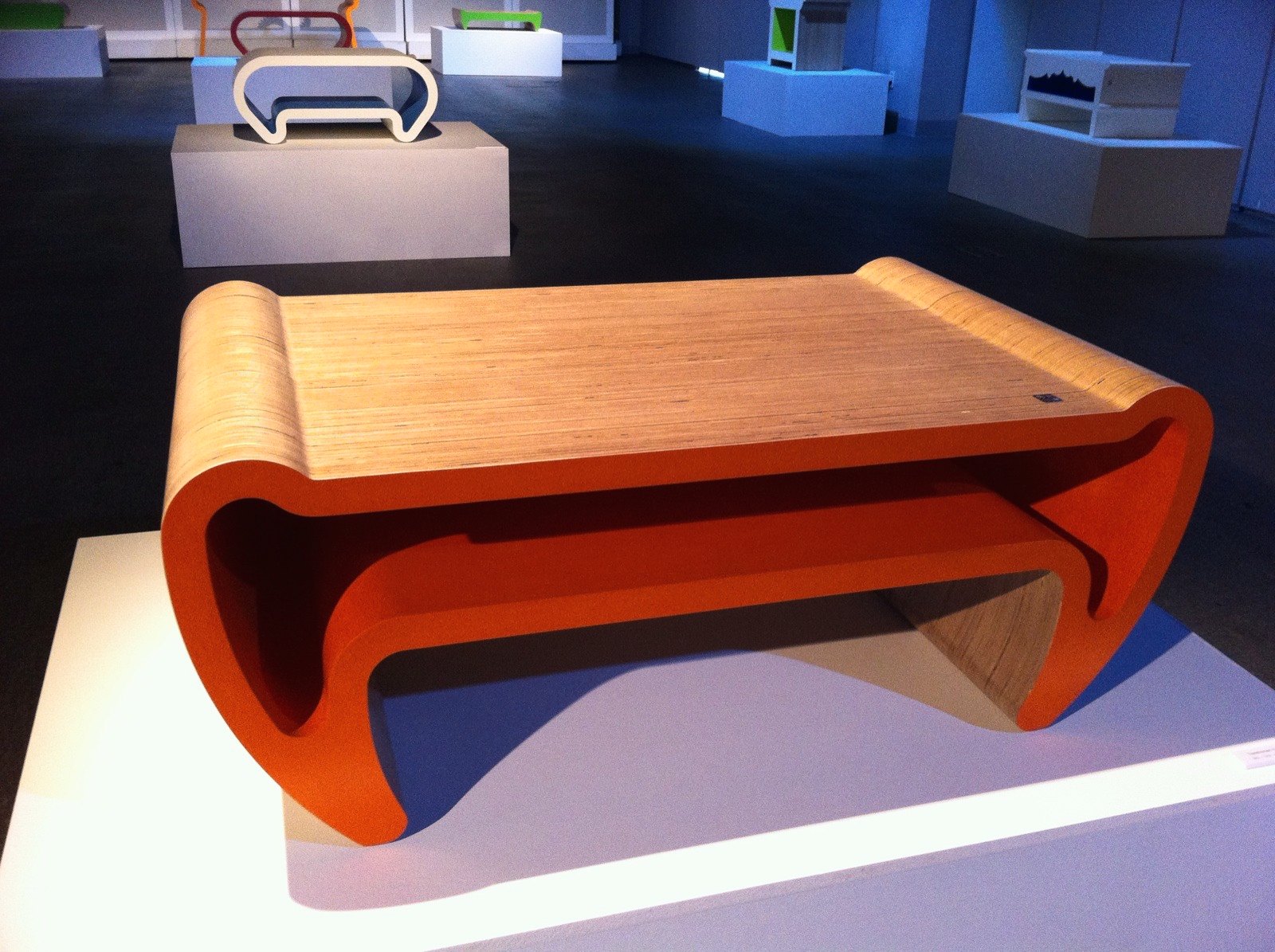
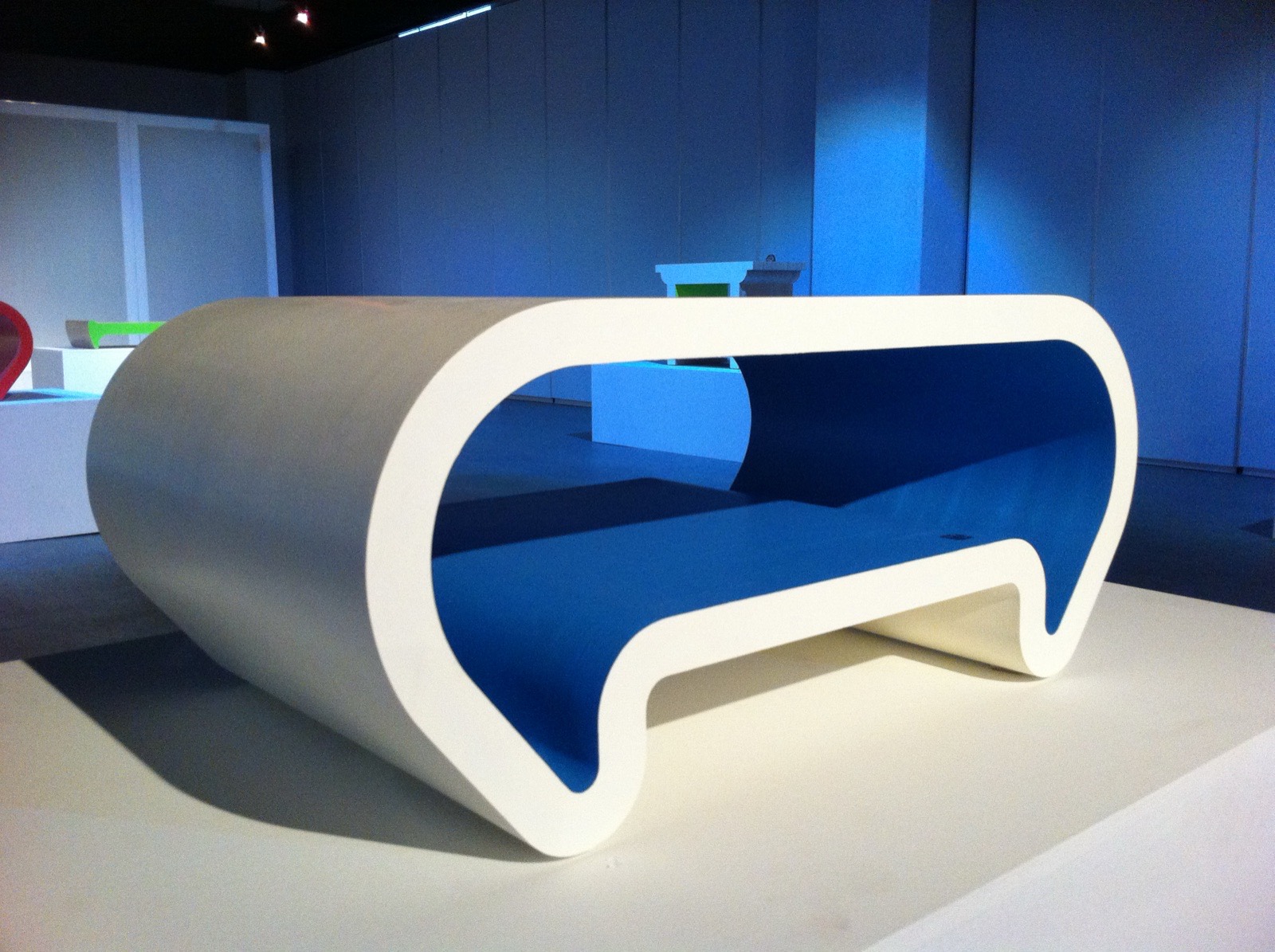
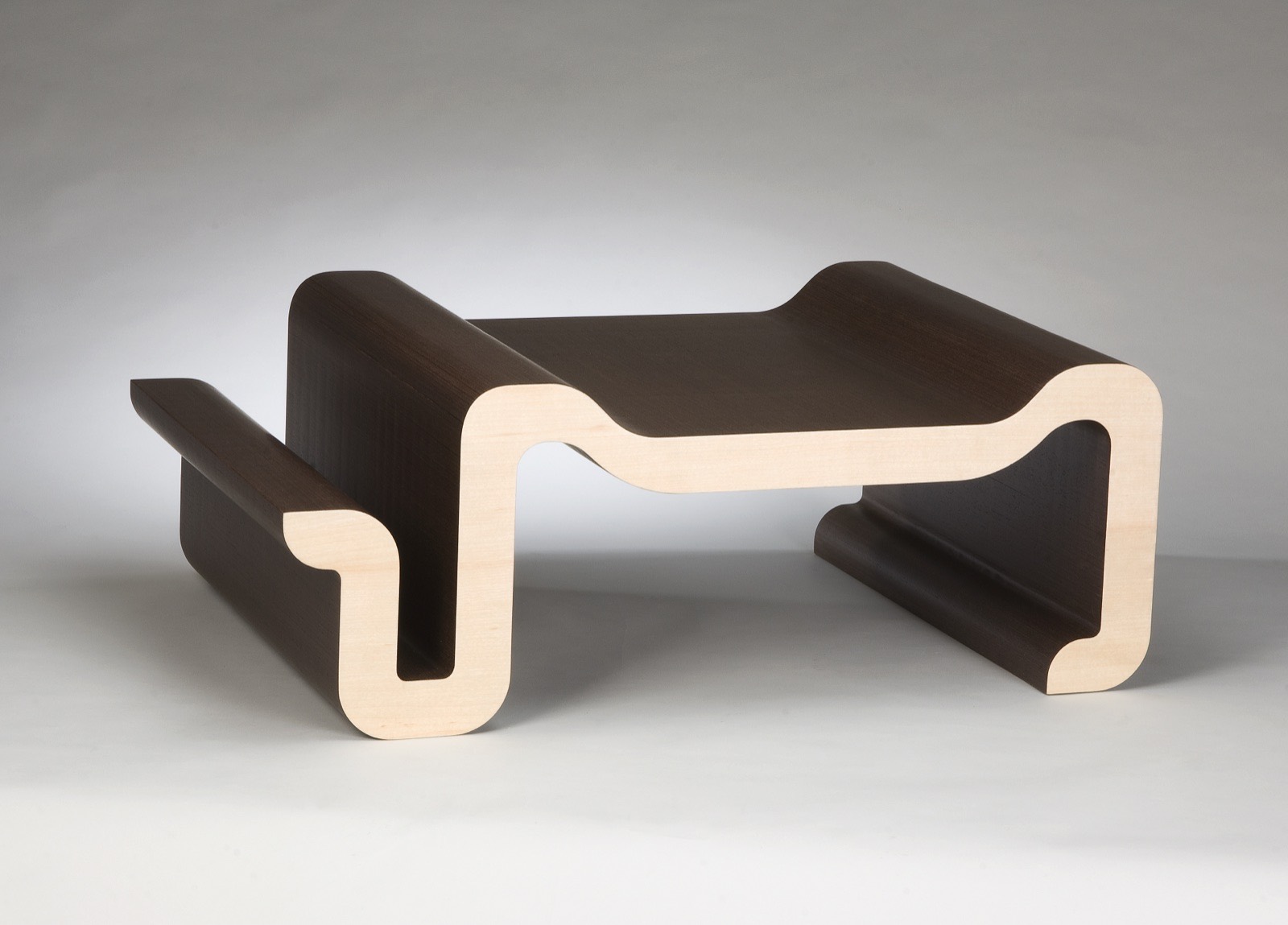
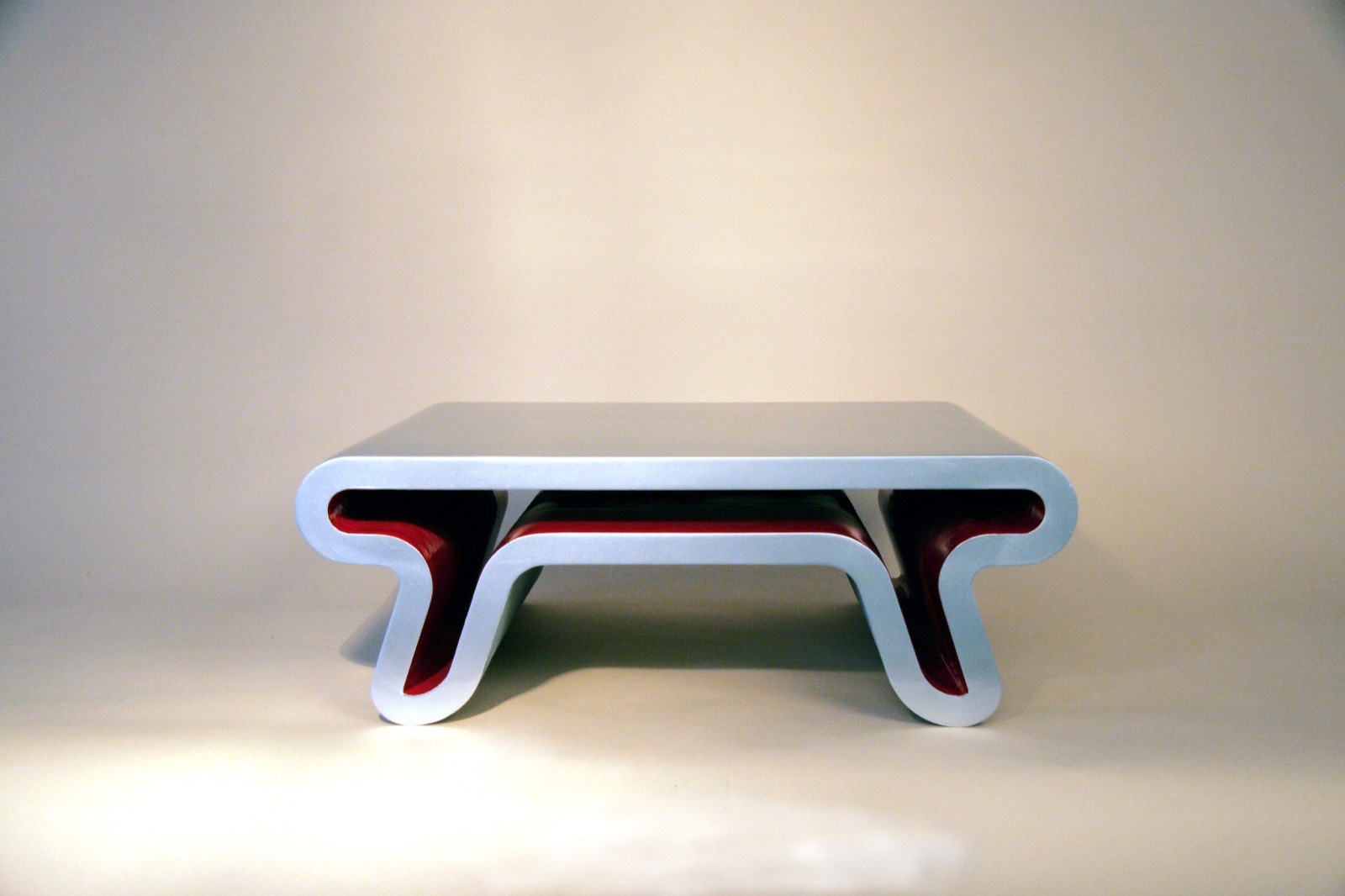
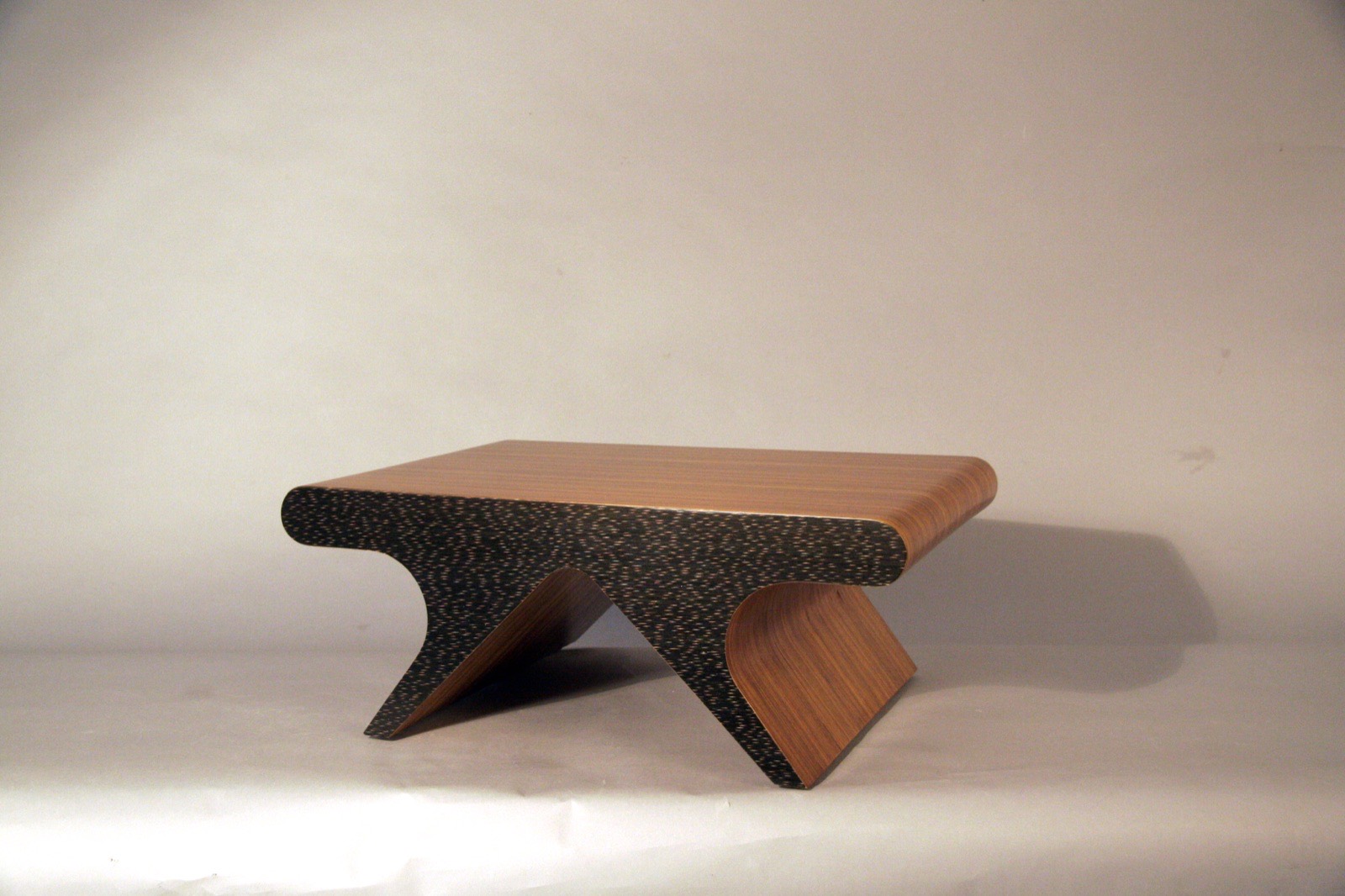
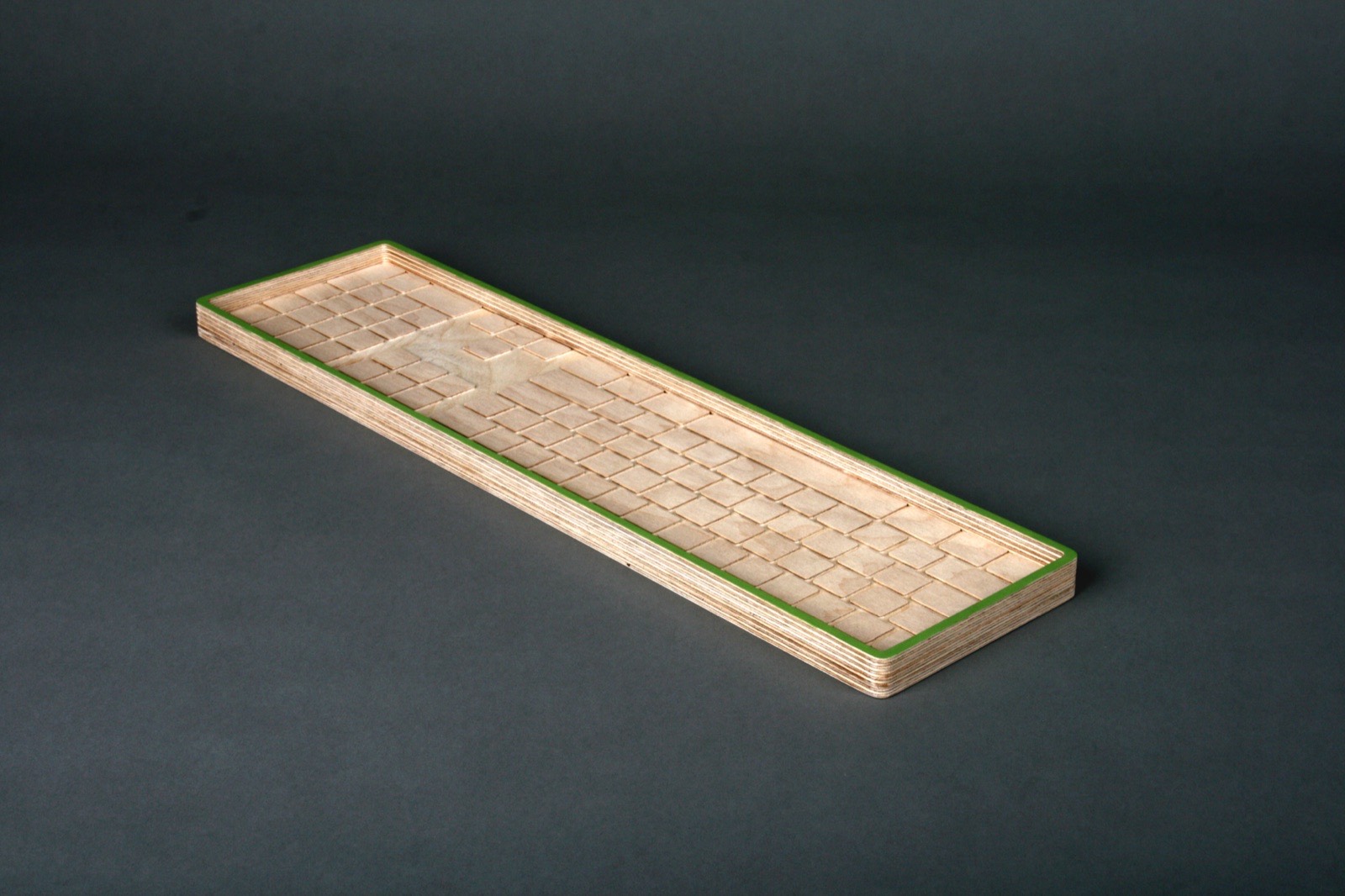
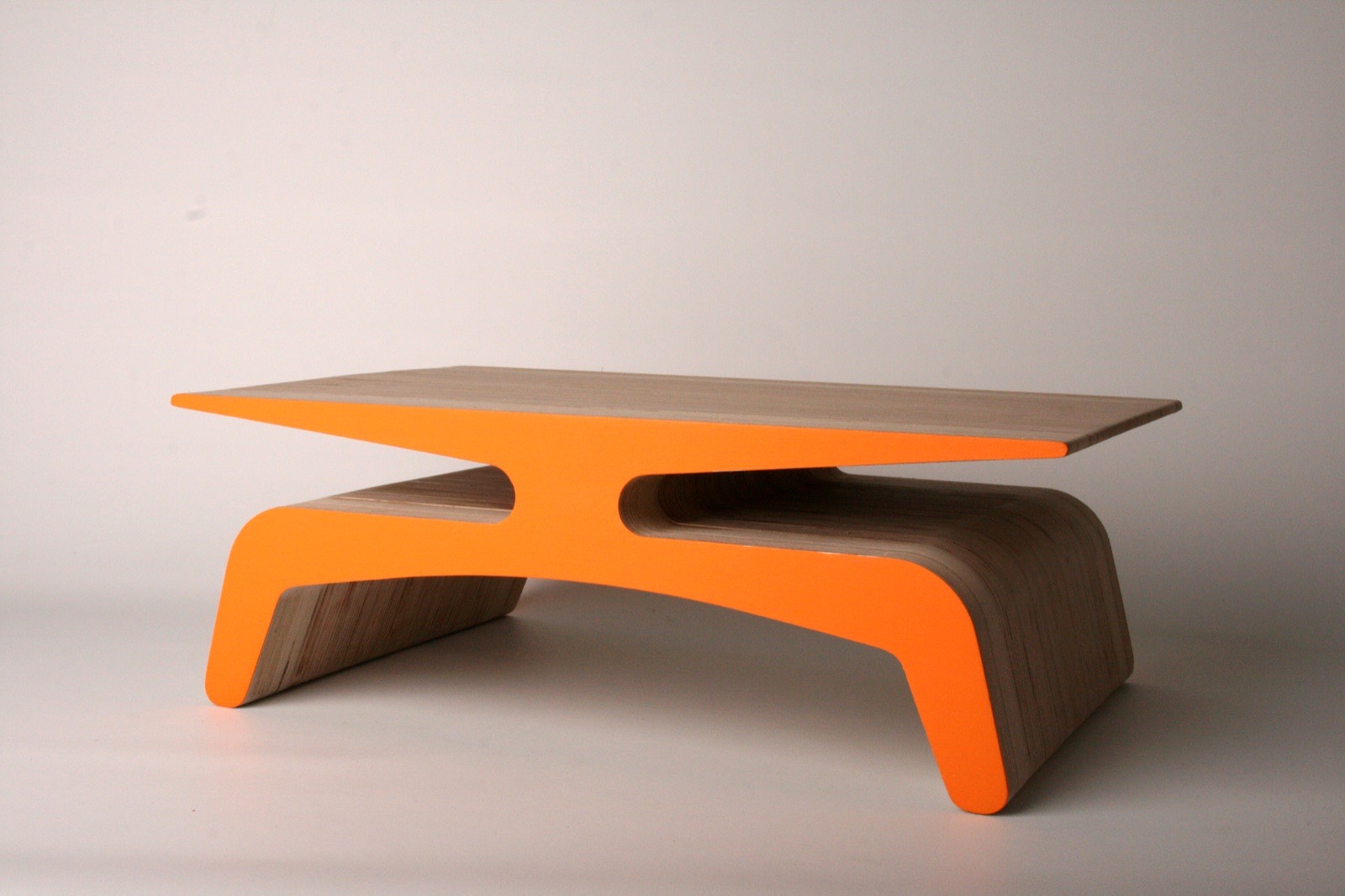
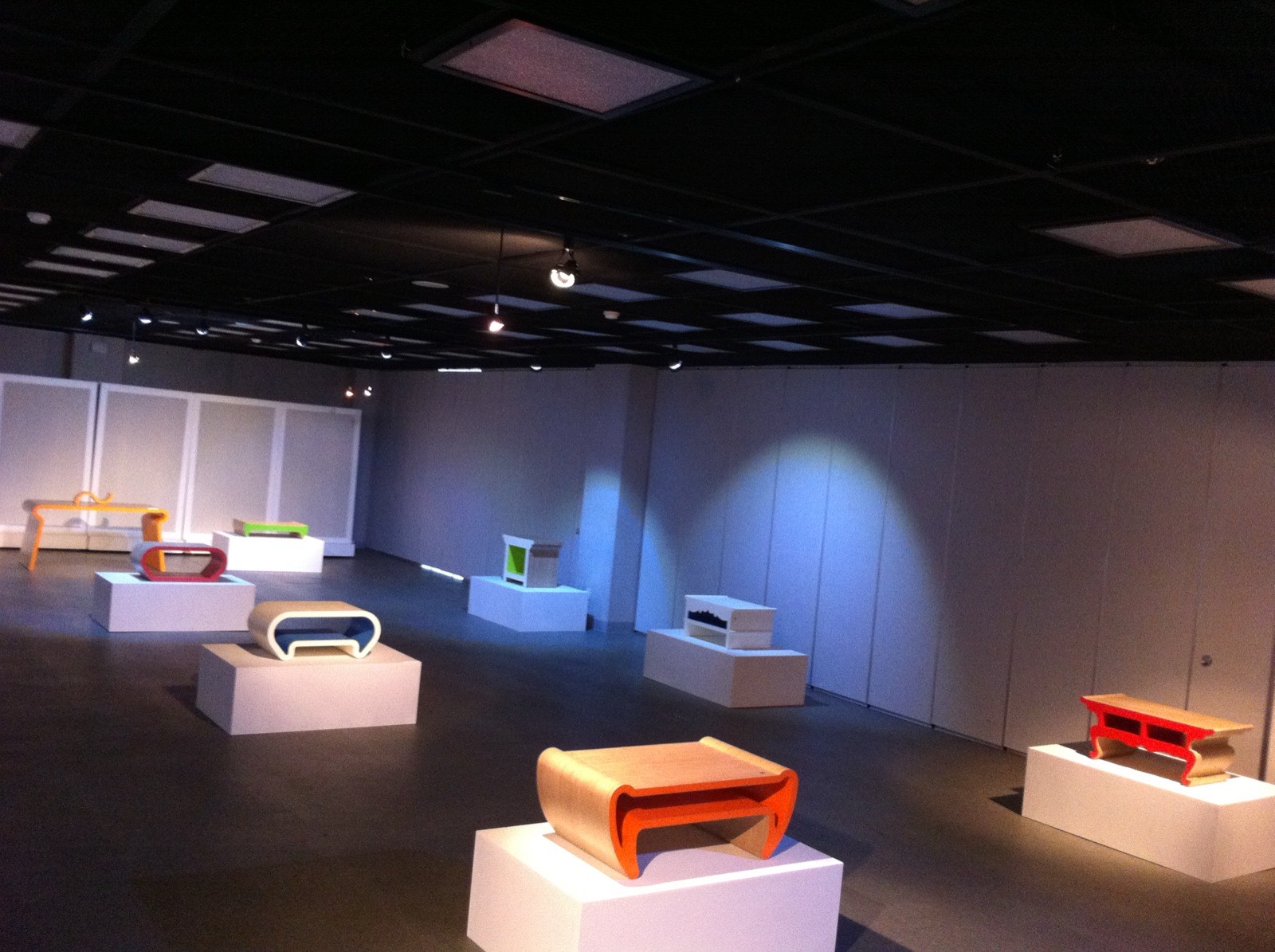
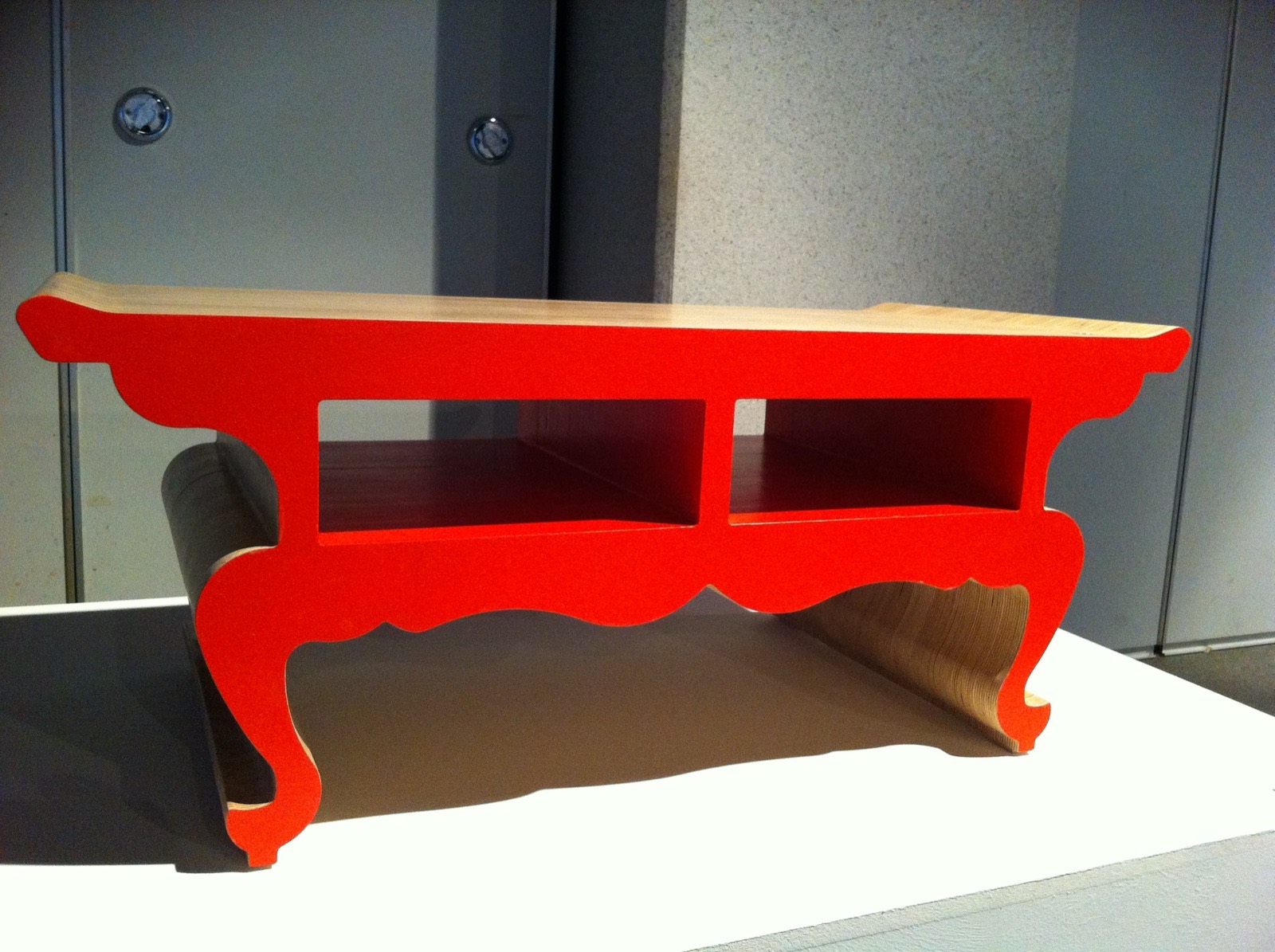
In the mid-2000s I began building furniture from sheets of CNC-cut plywood, stacked one by one. It started from digital data, yet the result was a mass that held the grain of wood and the warmth of the hand. The way thin layers accumulate into a single form resembles the way time accumulates into tradition. Multi-Layer Furniture and Mass Furniture were born this way.
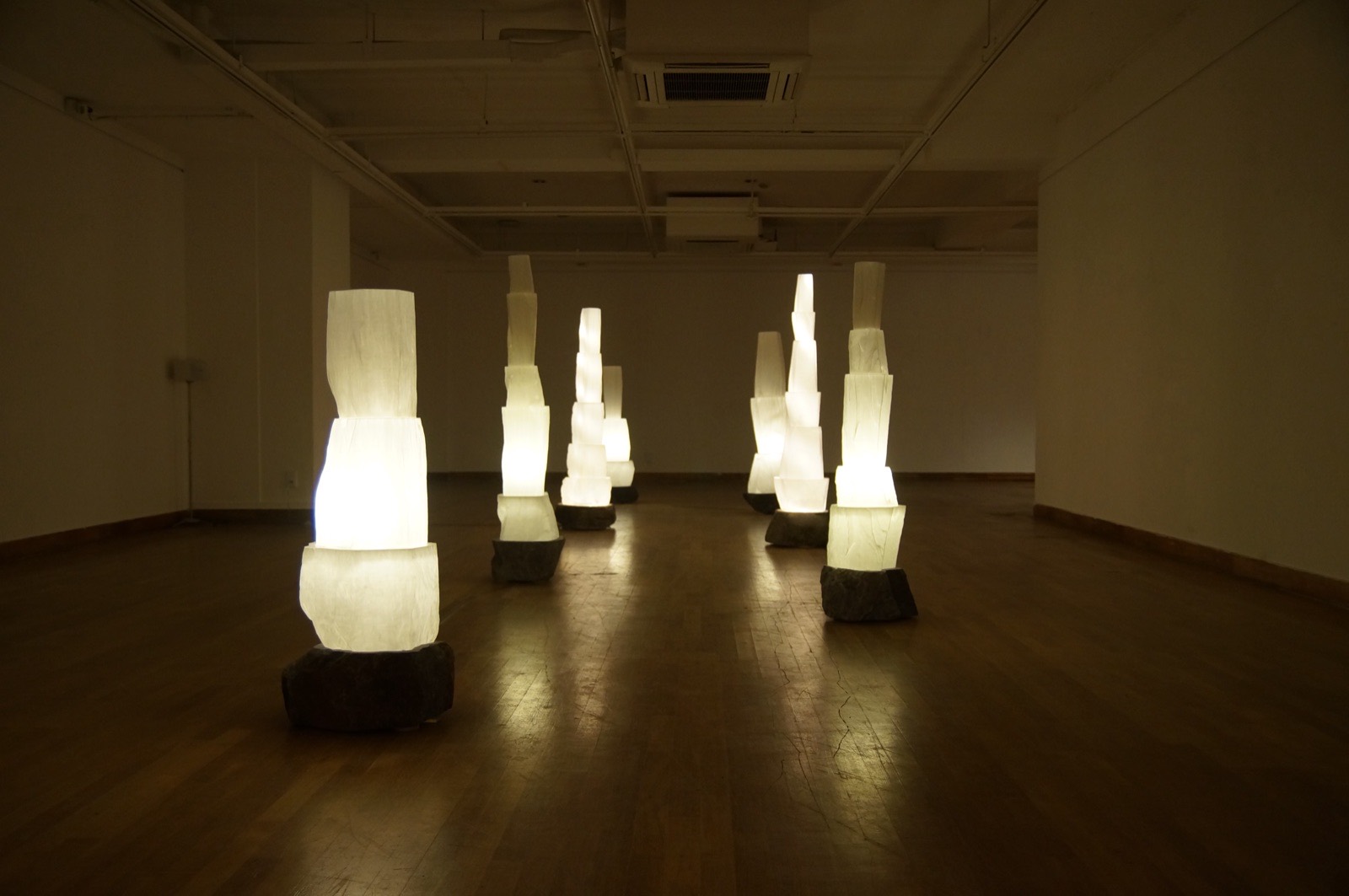
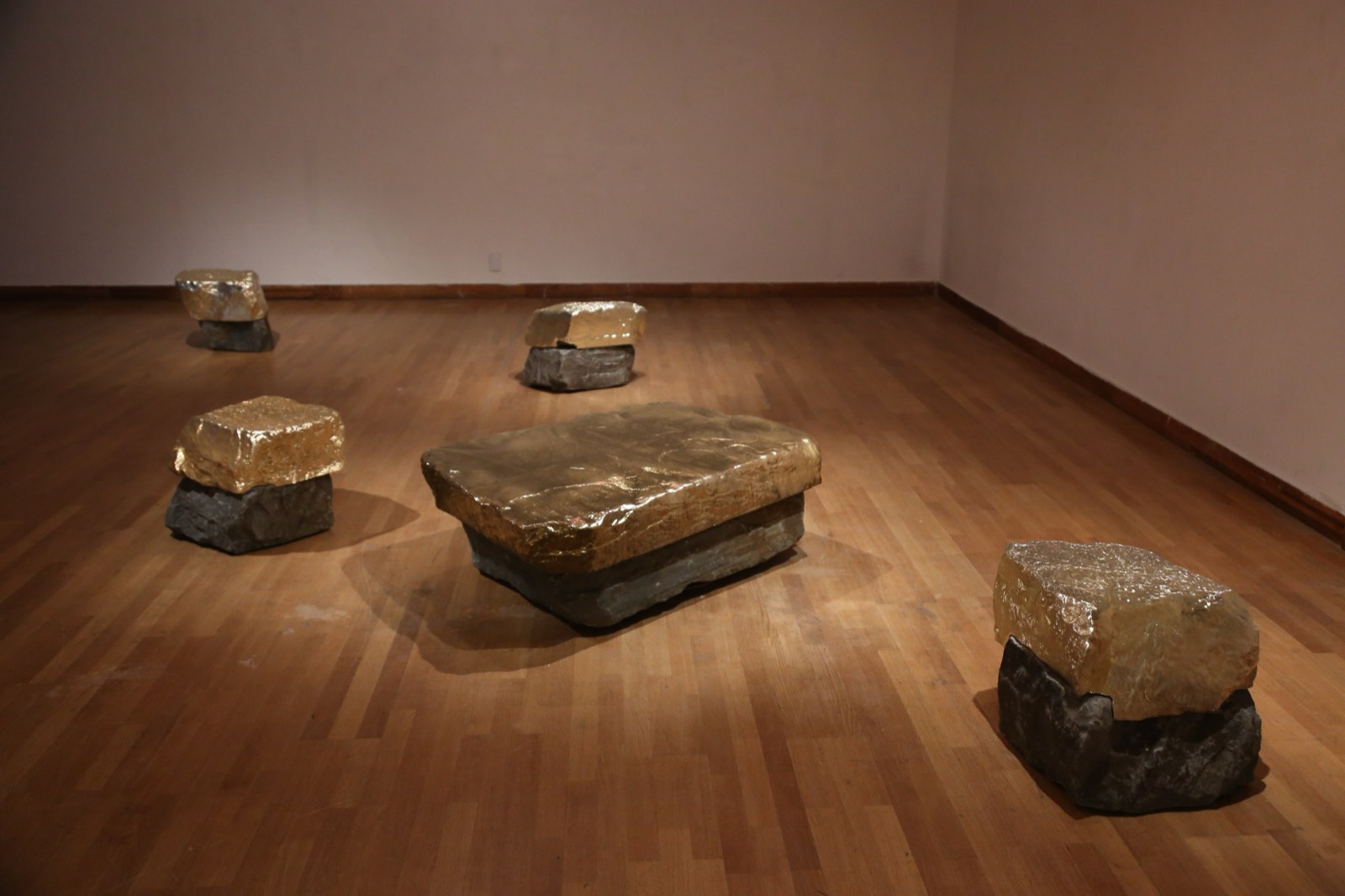
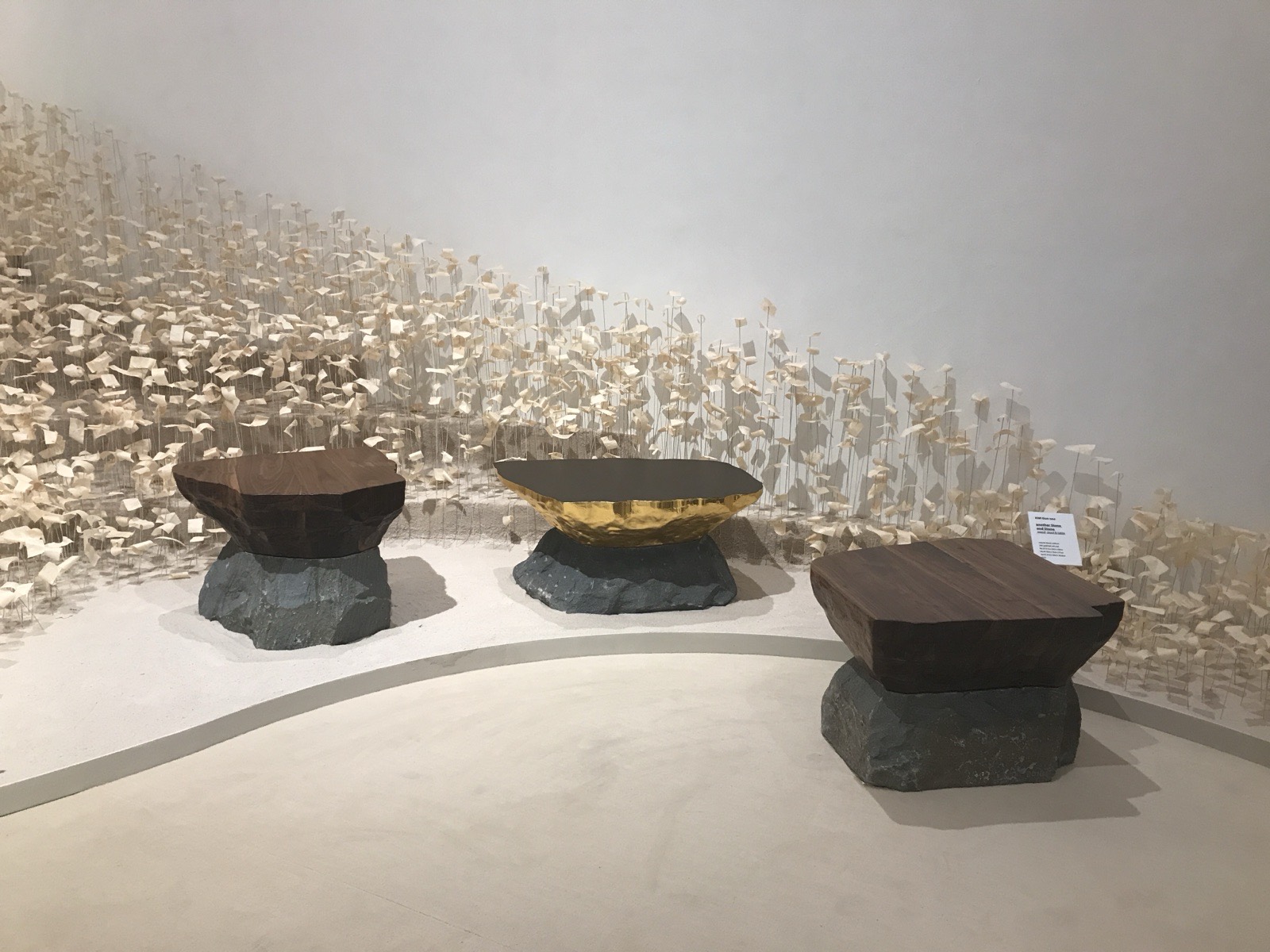
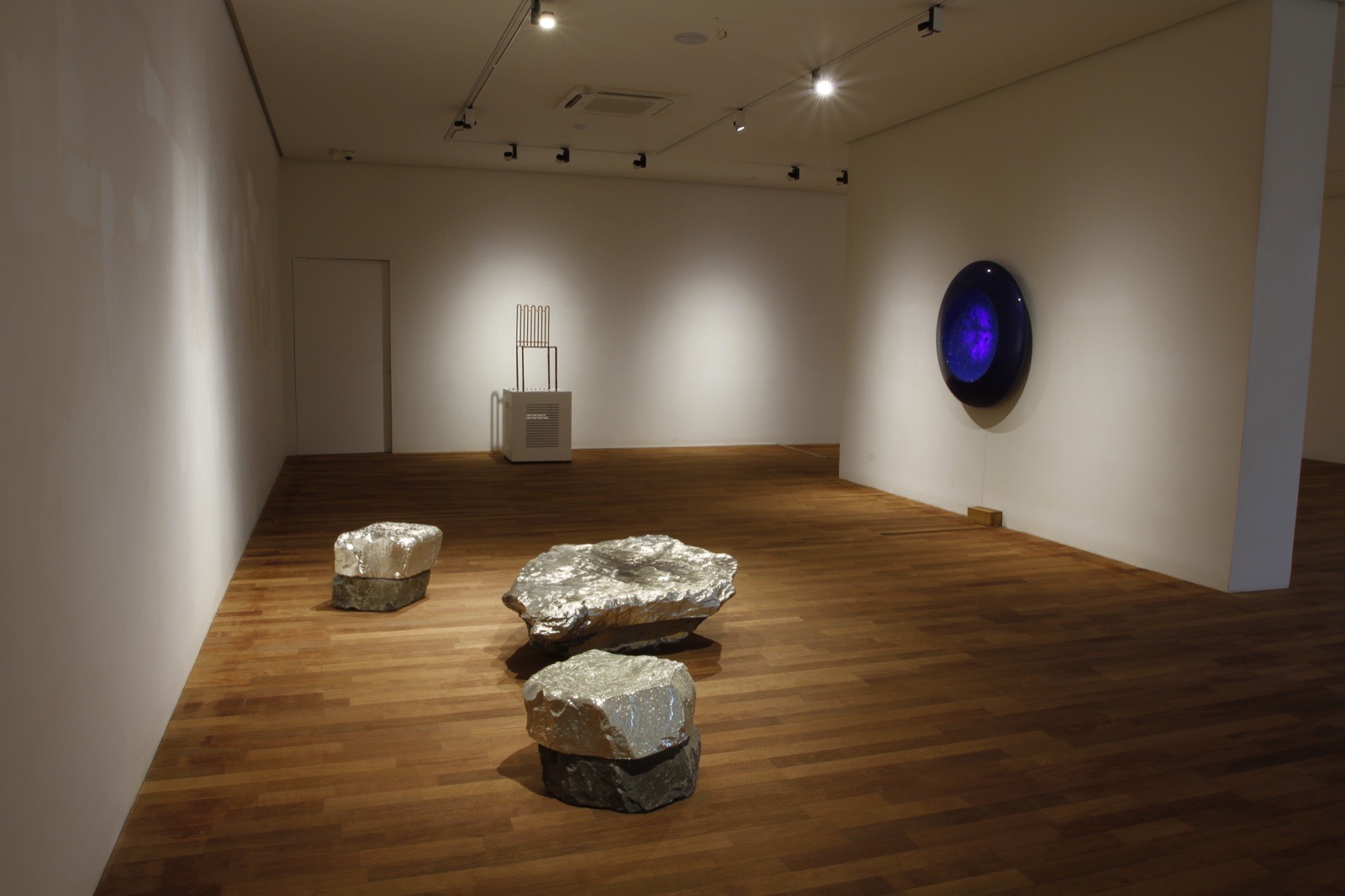
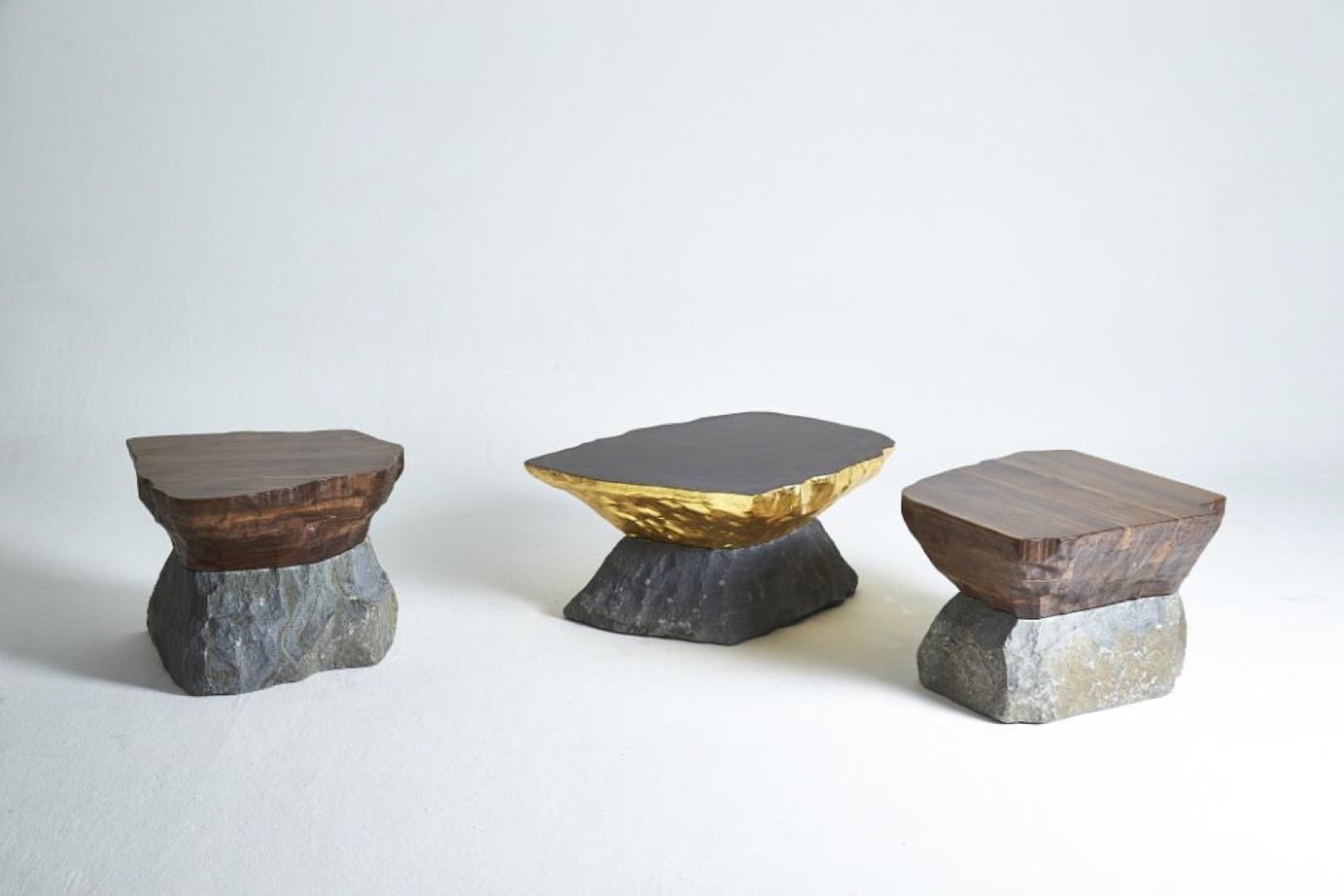
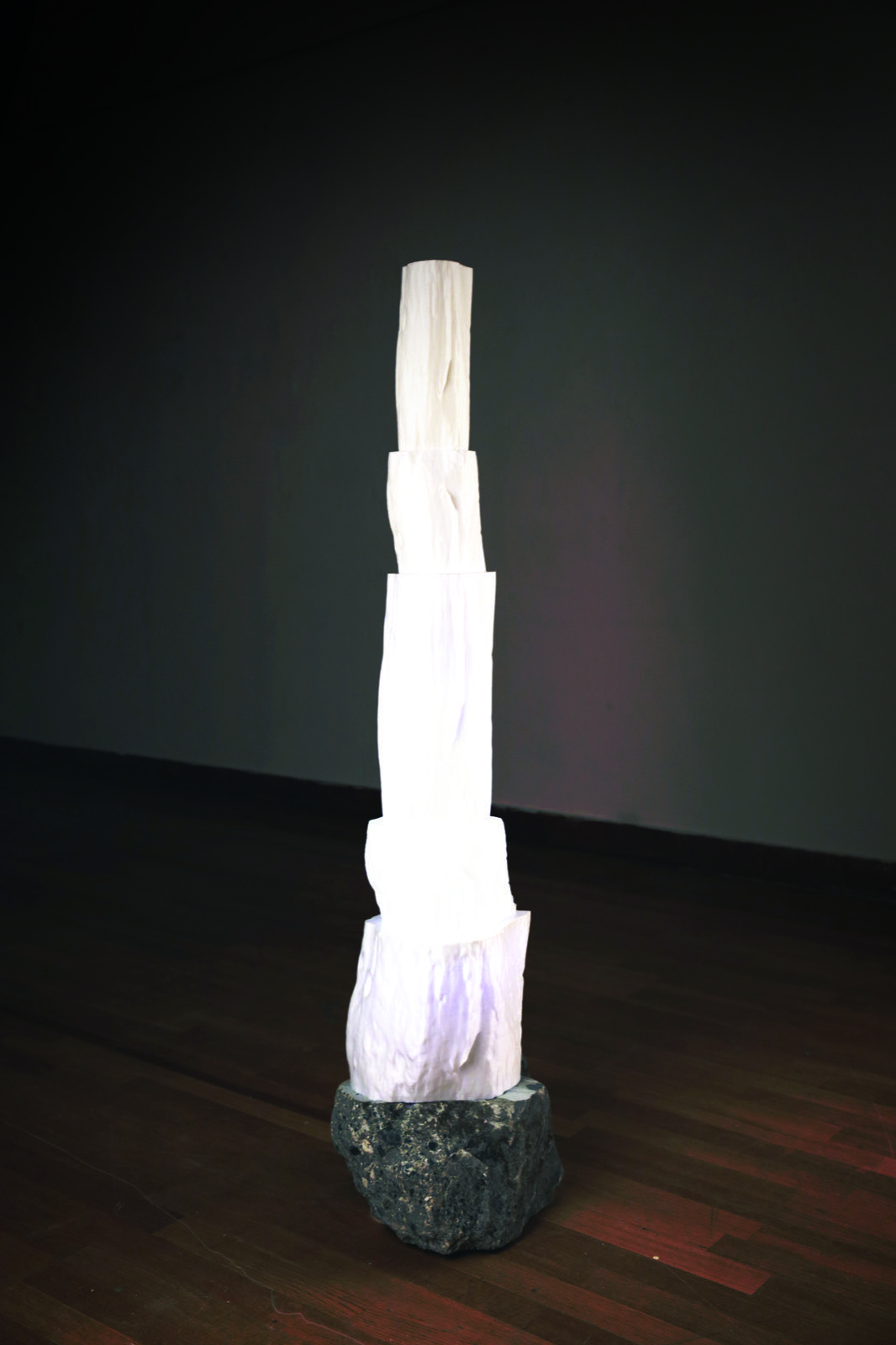
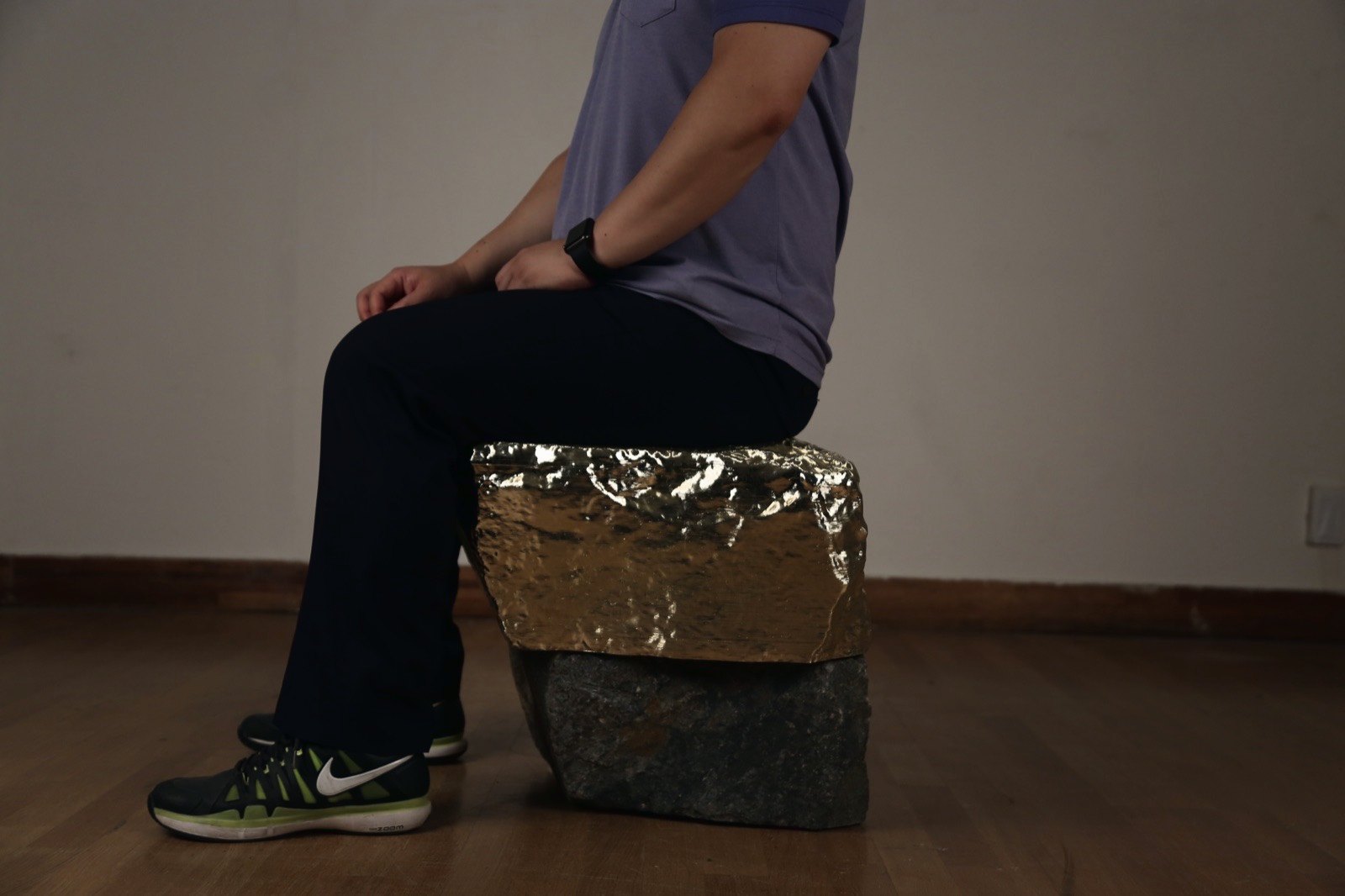
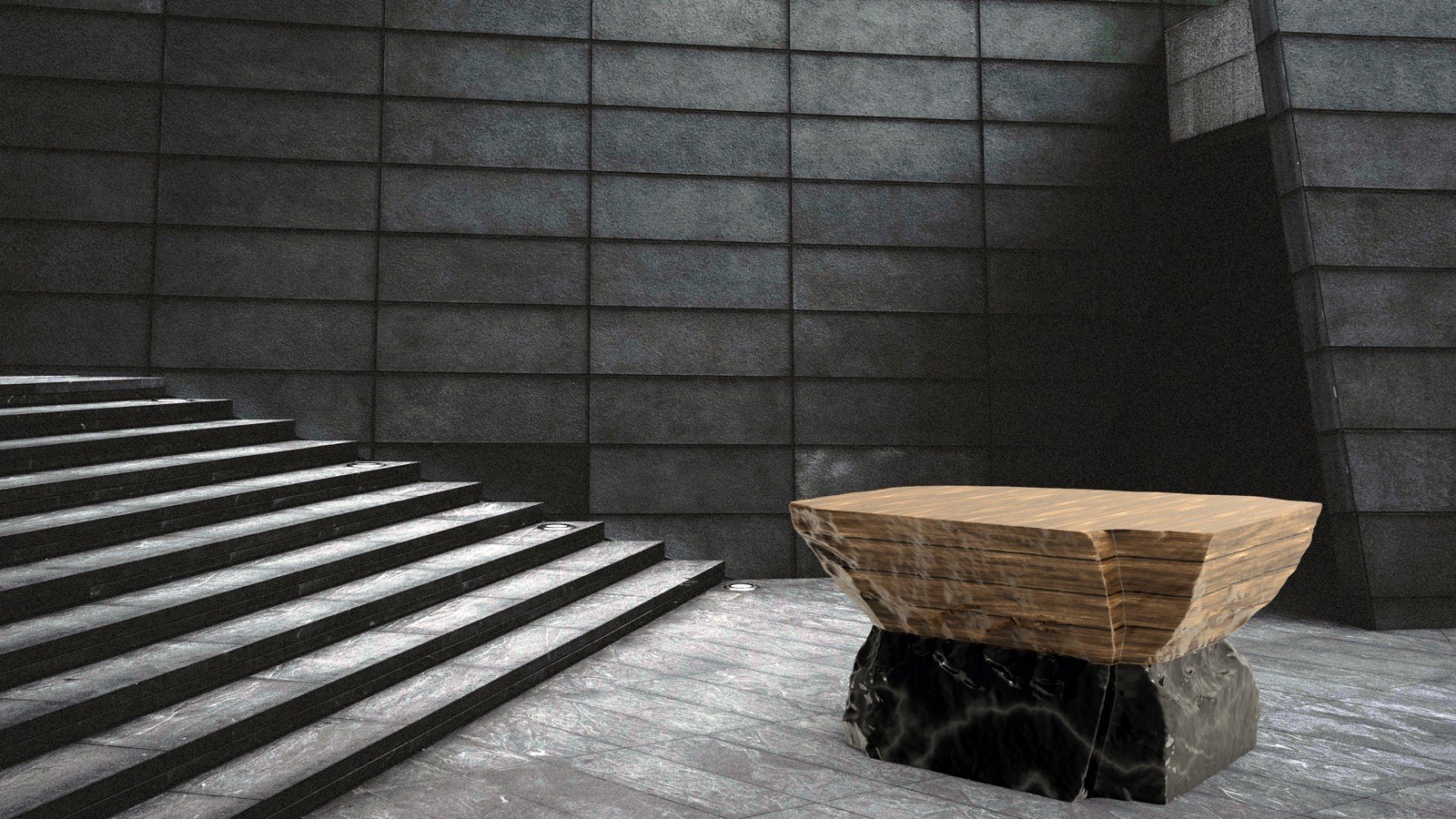
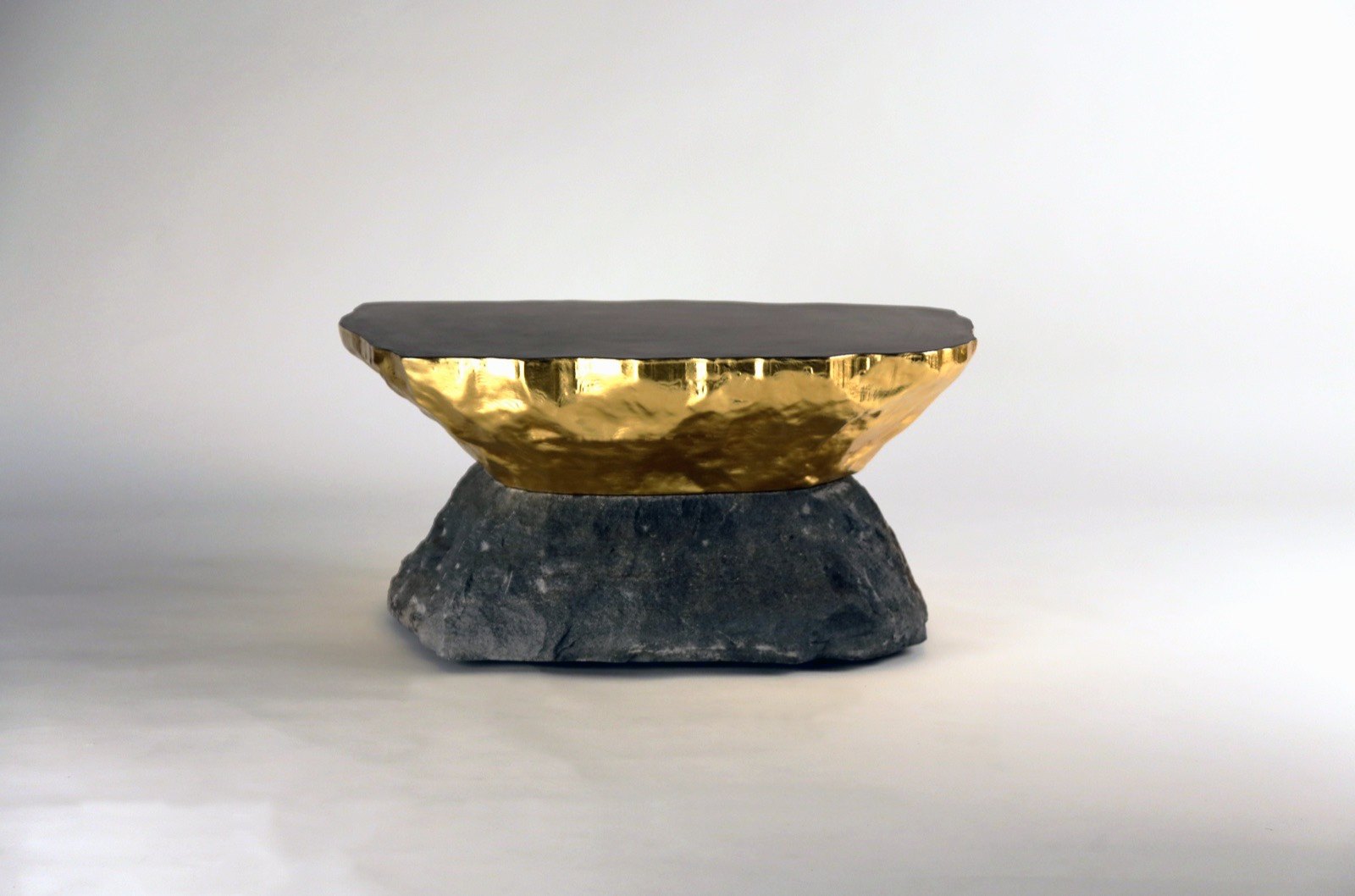
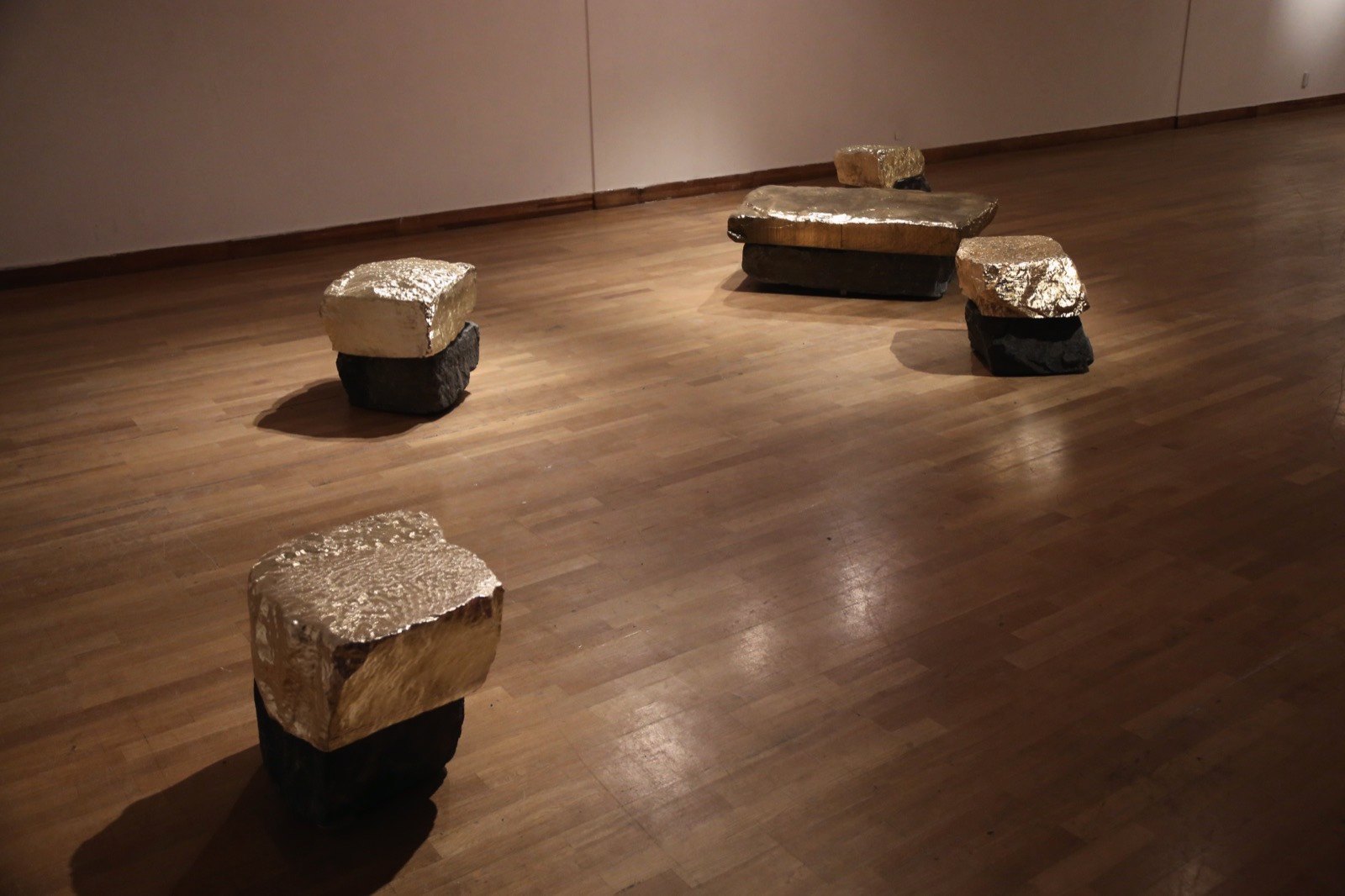
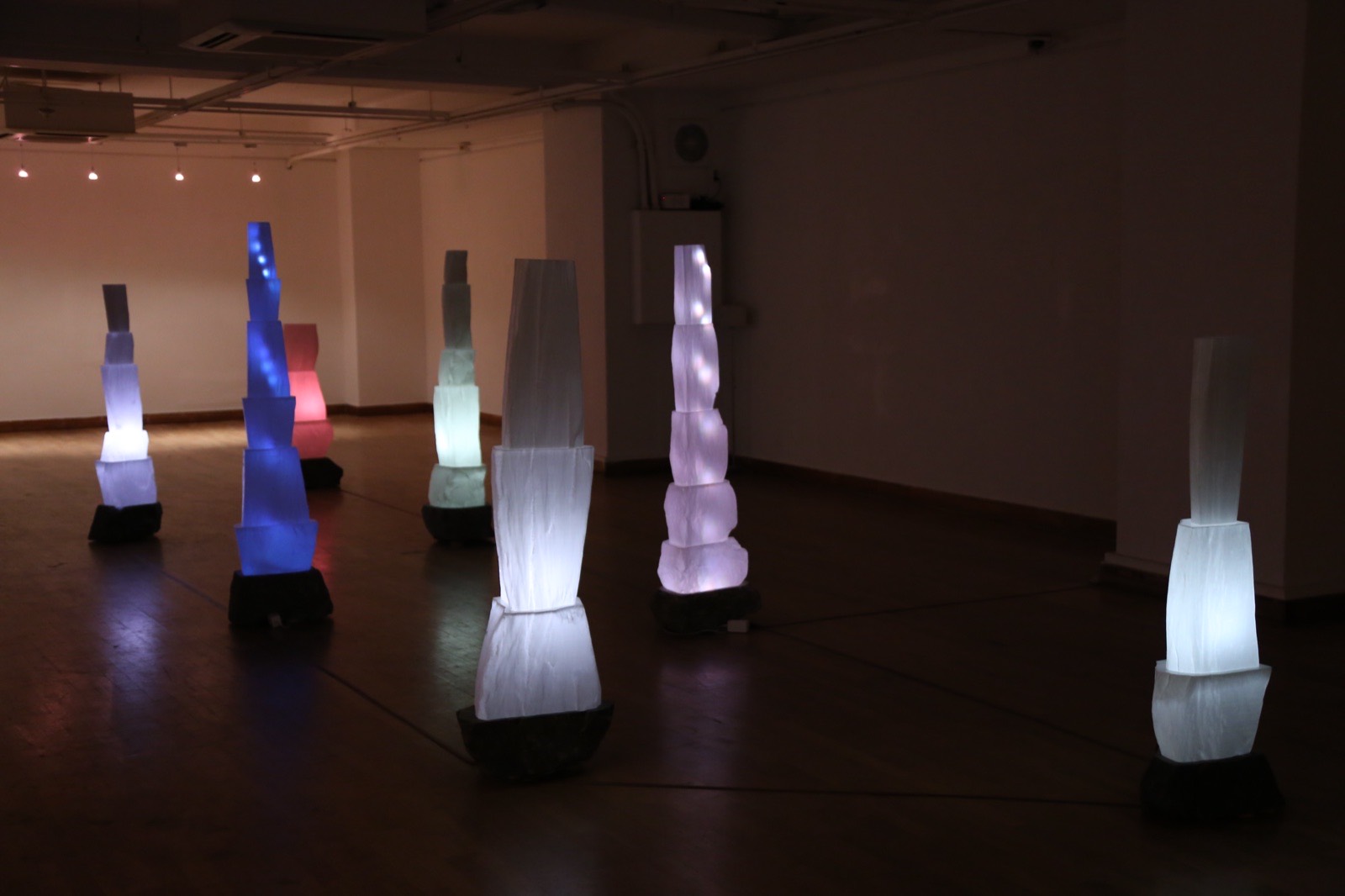
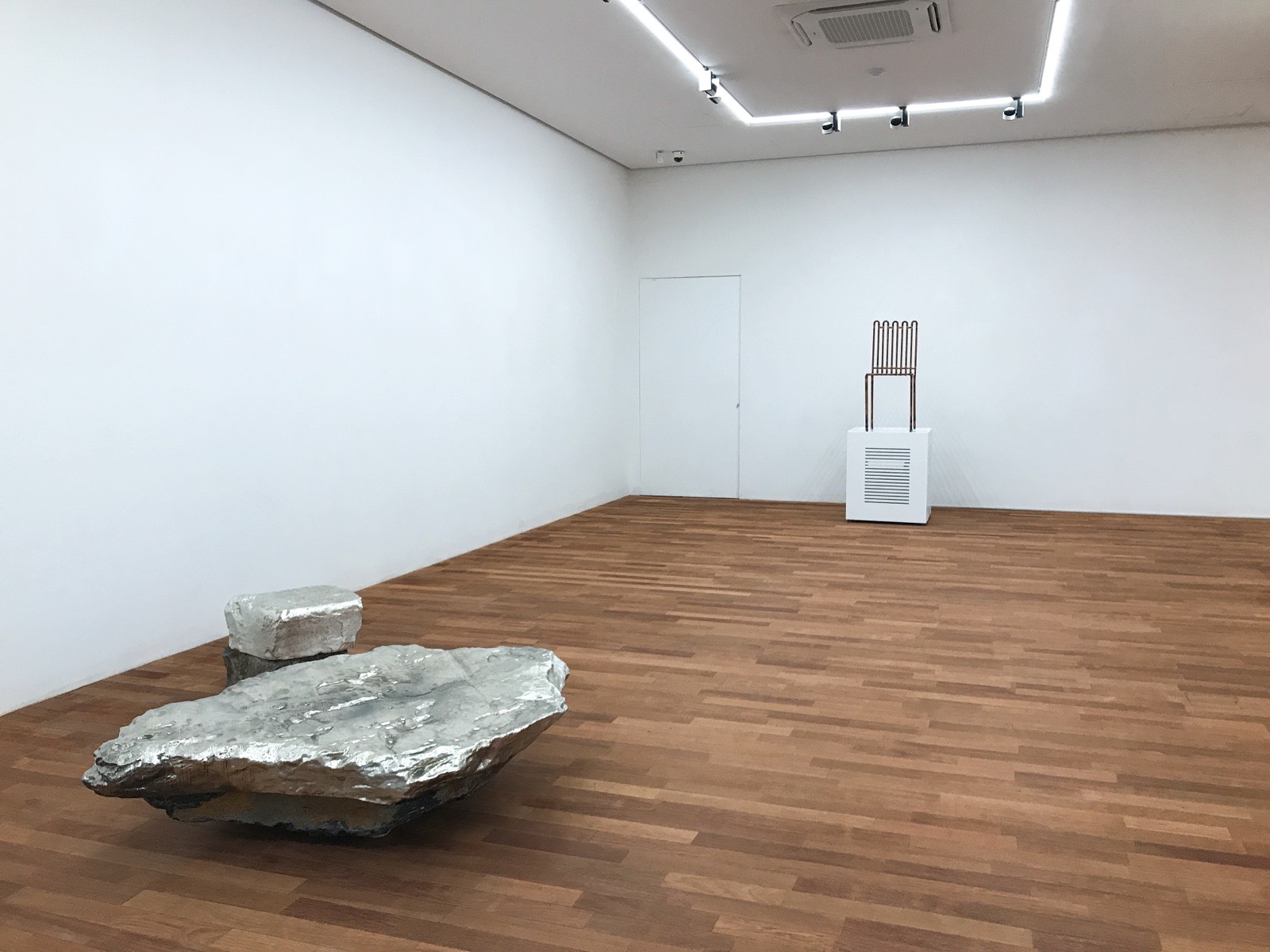
I select stones myself at a quarry in Boryeong, scan them in 3D, twist and carve the data, and print them again. These “digital stones,” finished in gold and silver, interlock with real stone to become a stool, a table, a tower. The old geuraengi technique—carving timber to fit the contours of a stone—I perform again as a calculation inside the computer. It looks like stone but is not: This Is Not A Stone. In that small error of perception, the boundaries between original and copy, nature and technology, begin to waver. That wavering is the nature of our time I want to show.
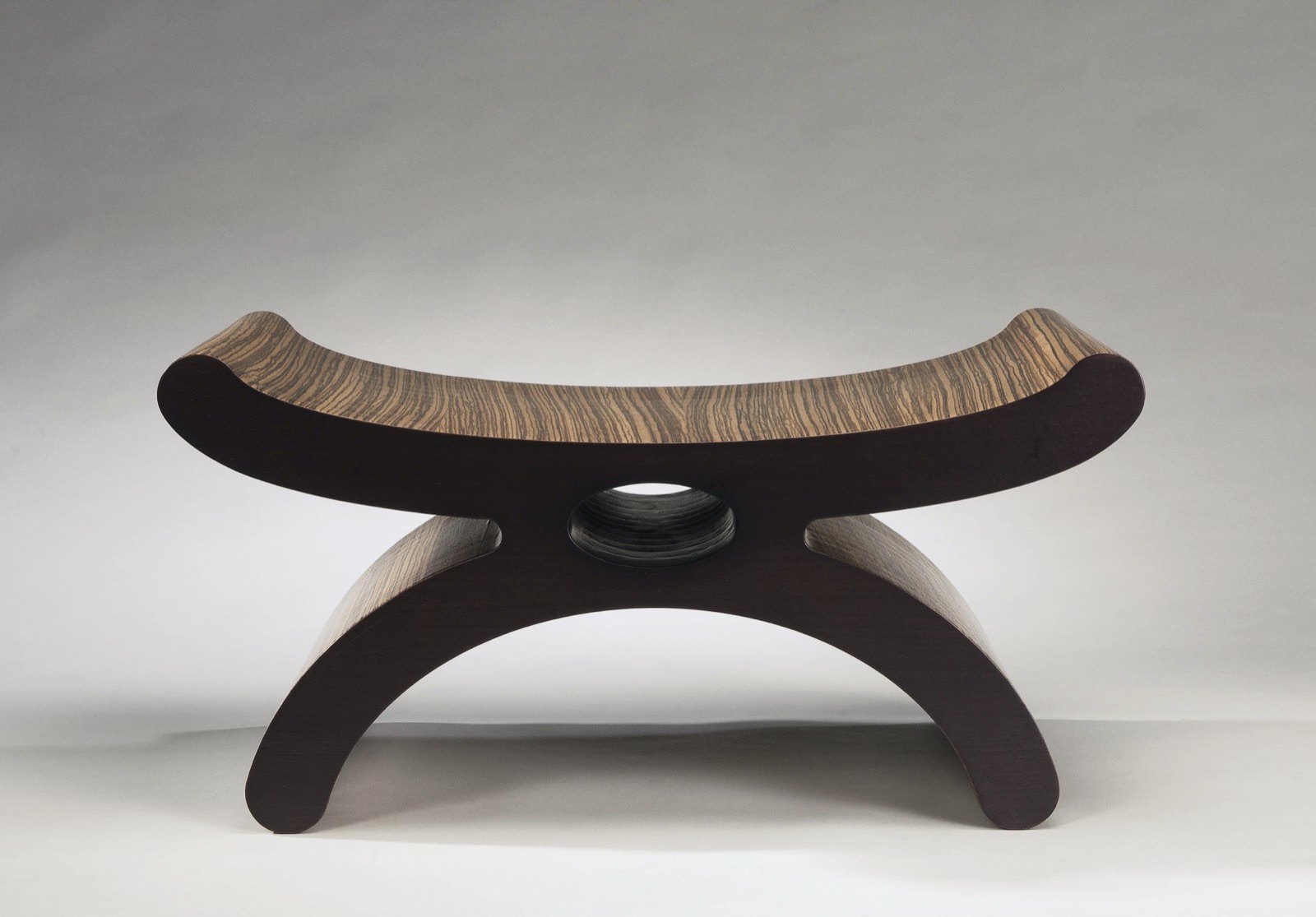
From ancient Egypt to today, the chair has kept the same structure—a vertical, a horizontal, a vertical. And yet each chair reveals its era. I hope my furniture will one day serve as a portrait through which the early twenty-first century can be read: one that holds both a restrained, naturalistic beauty and the thinking of the digital age.
For nearly twenty years I have stood with my students in exhibition halls in Milan, London, Paris and Cologne. Watching young designers speak in their own language on the world stage is as precious to me as my own work. Now, at the Living Design Center, I face another new tool: AI. The tools change, but the question remains the same—how shall we stay together with nature?
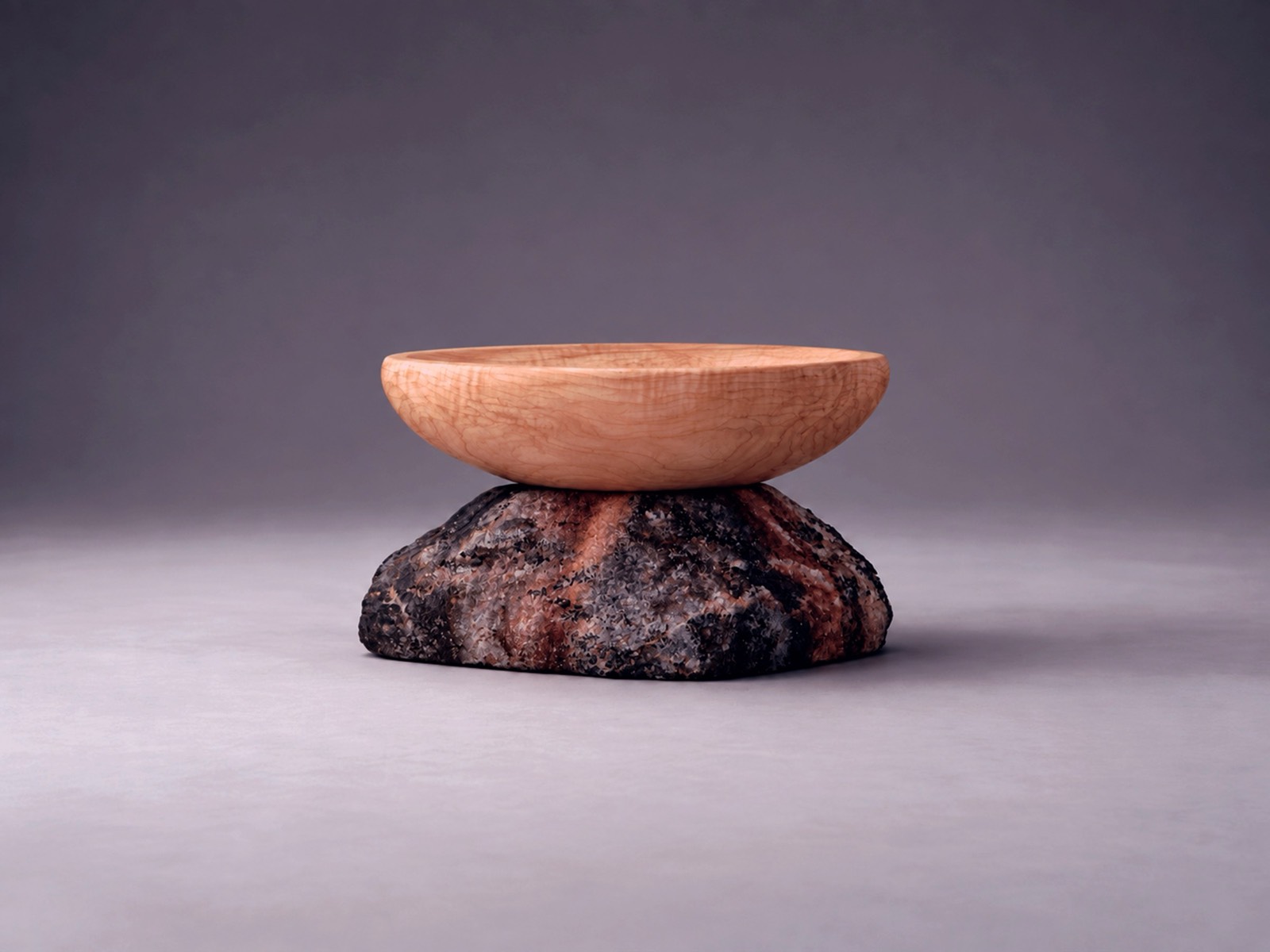
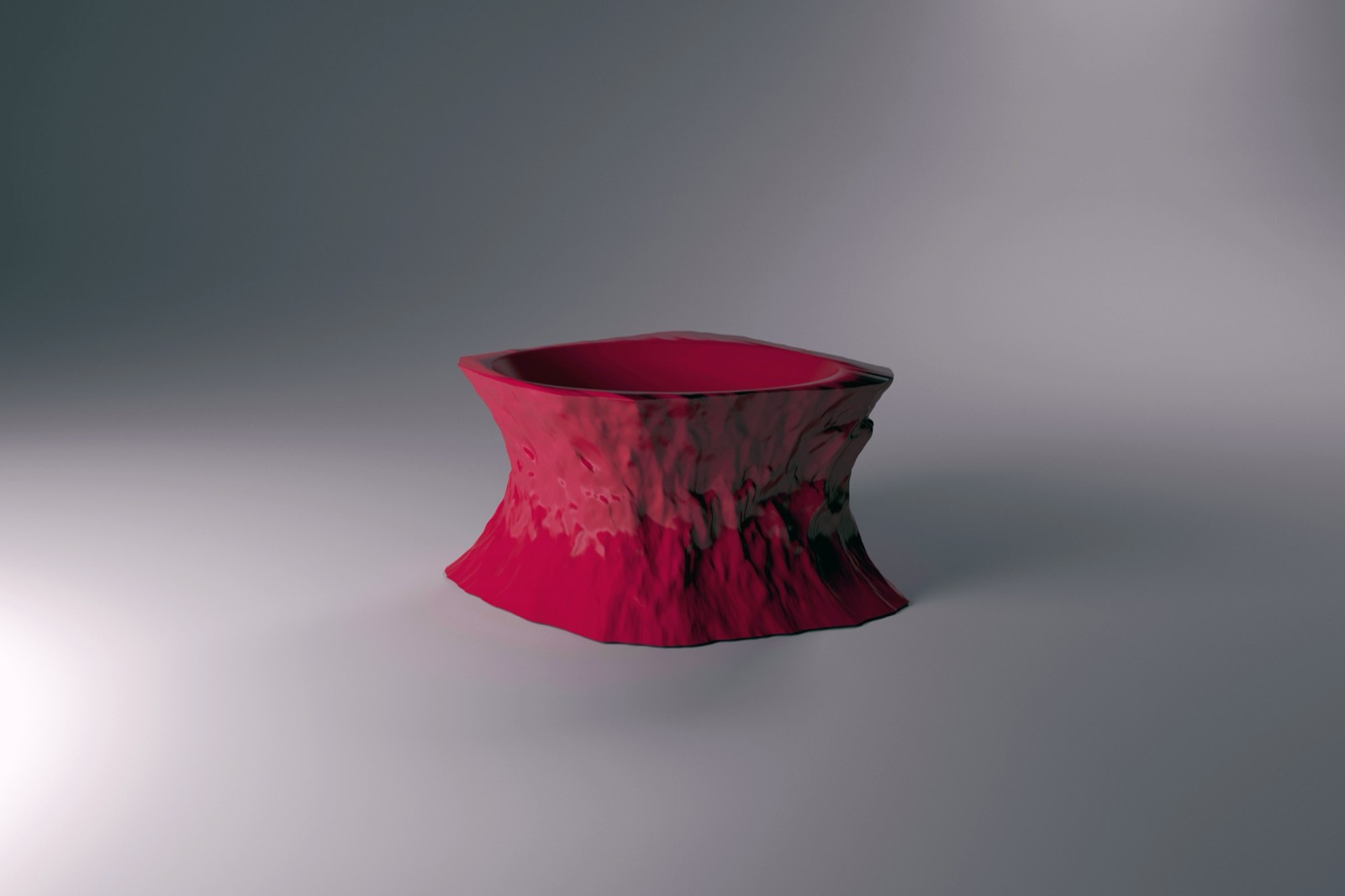
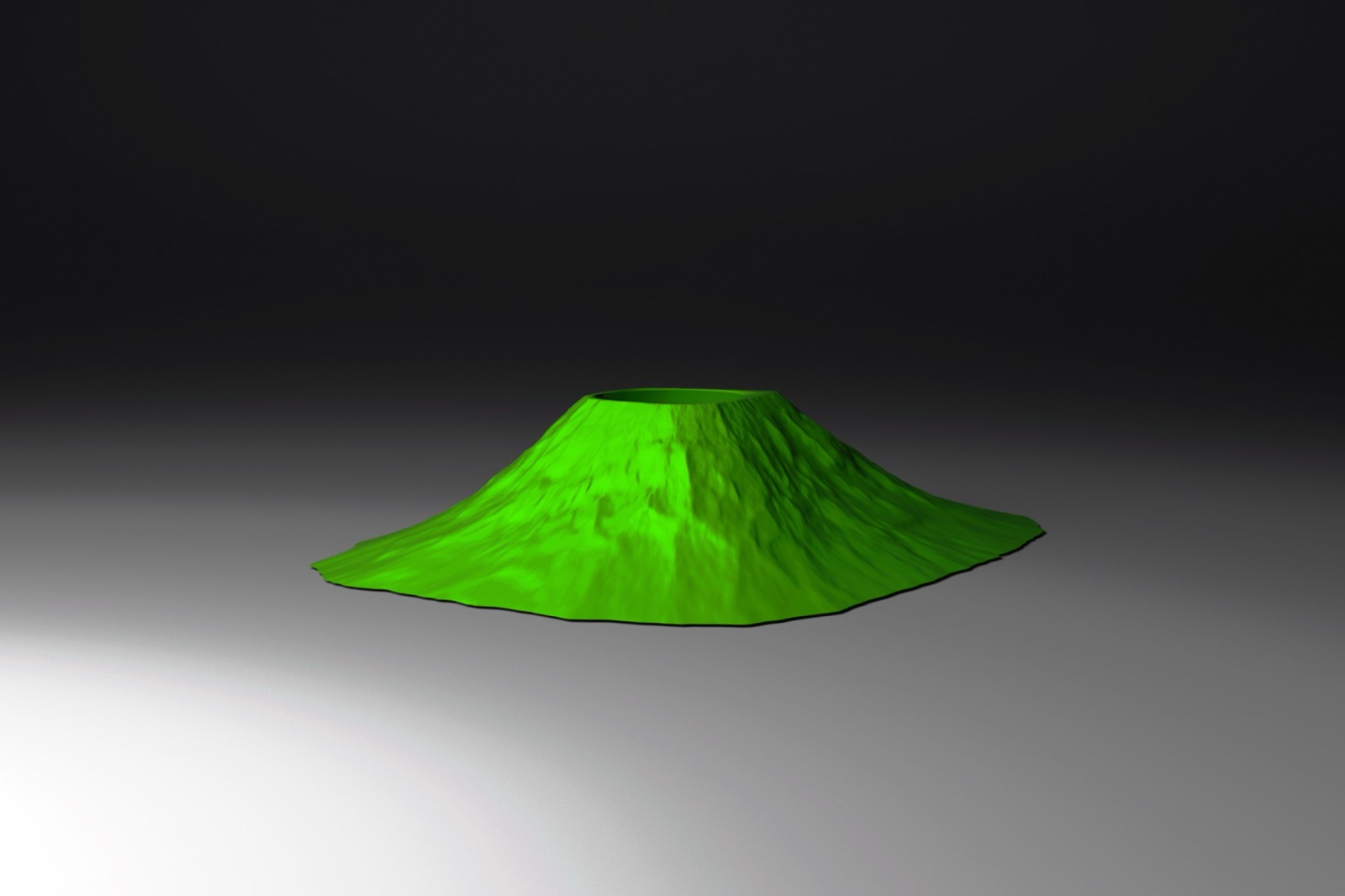
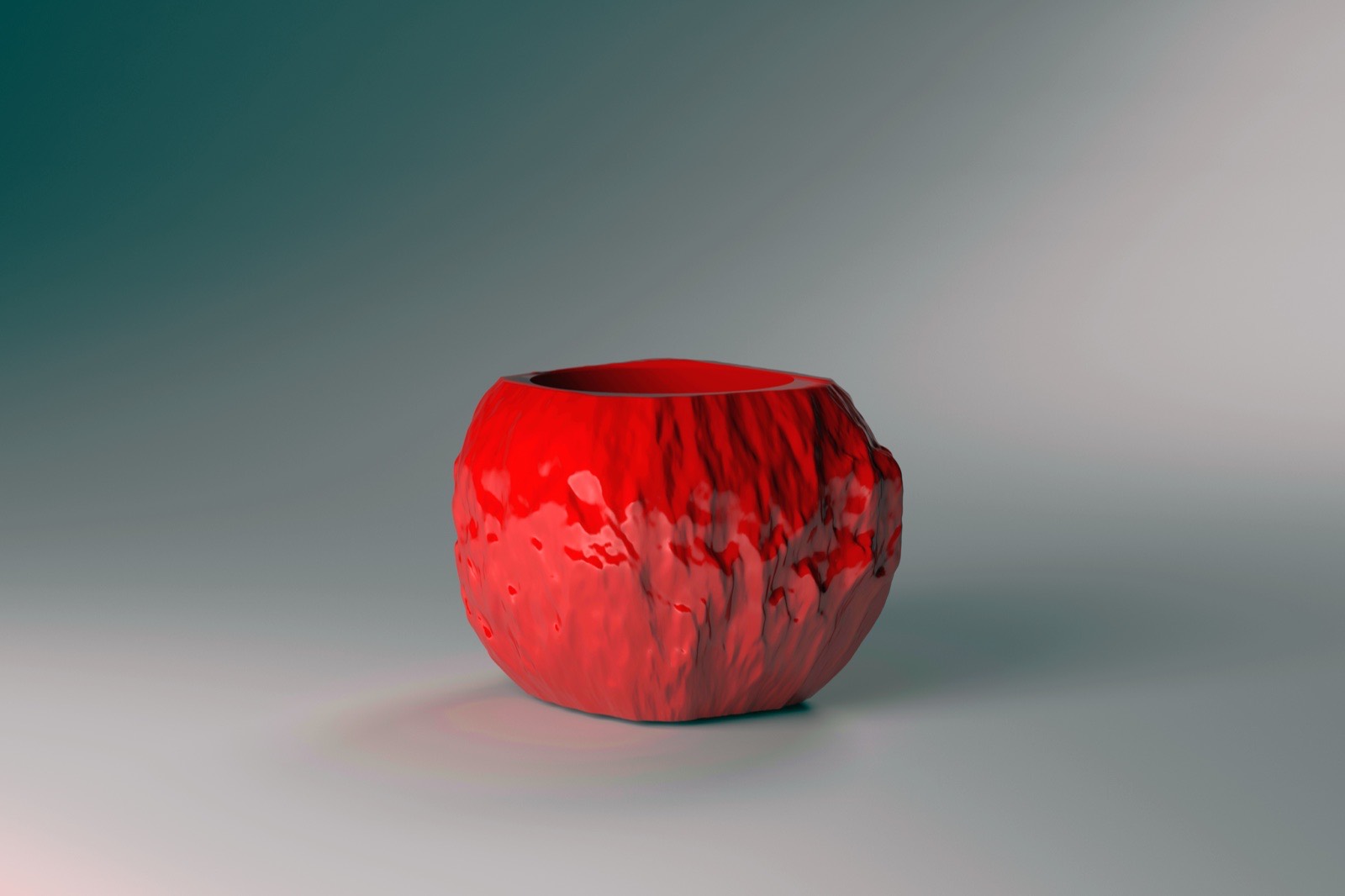
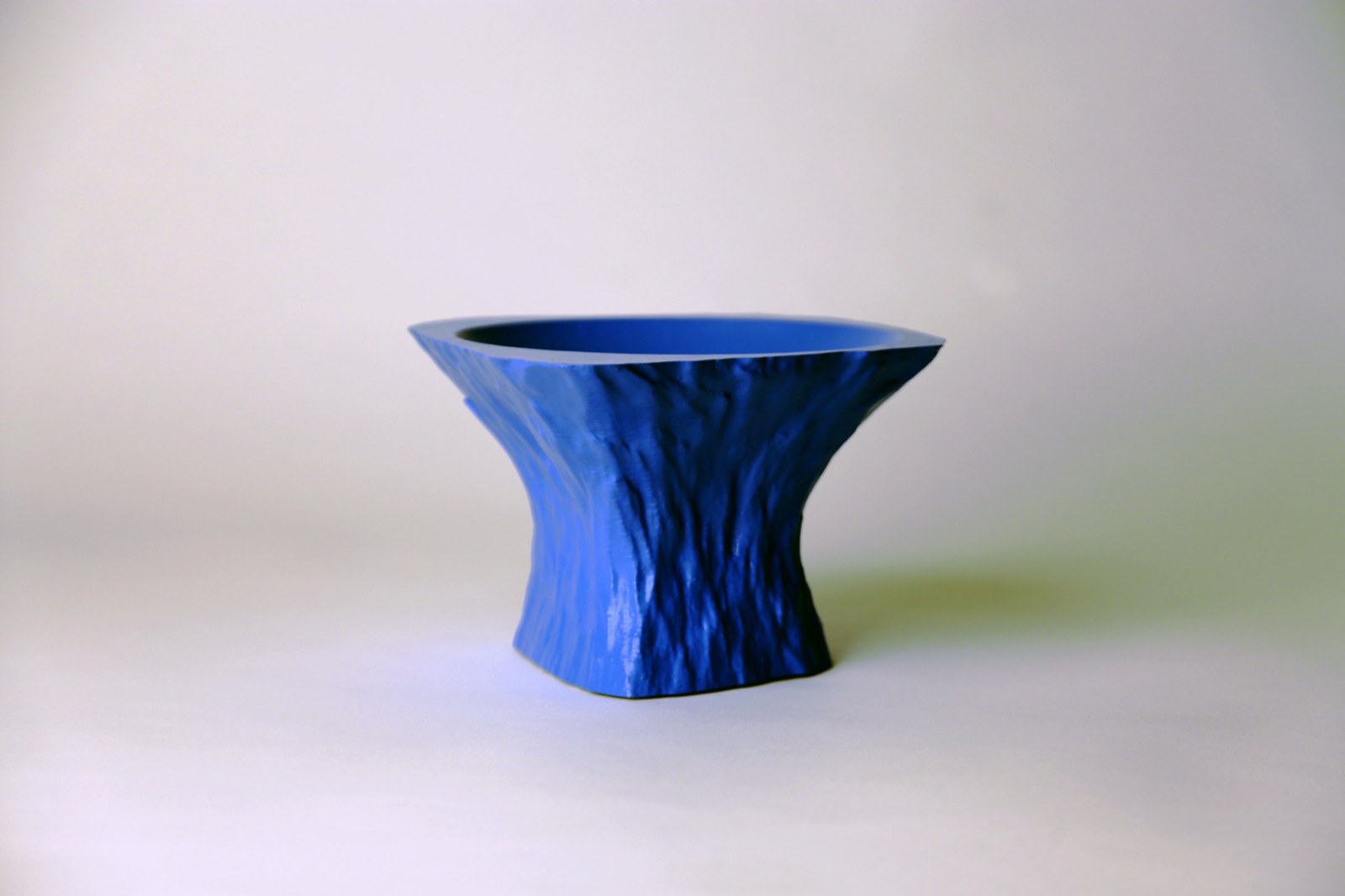
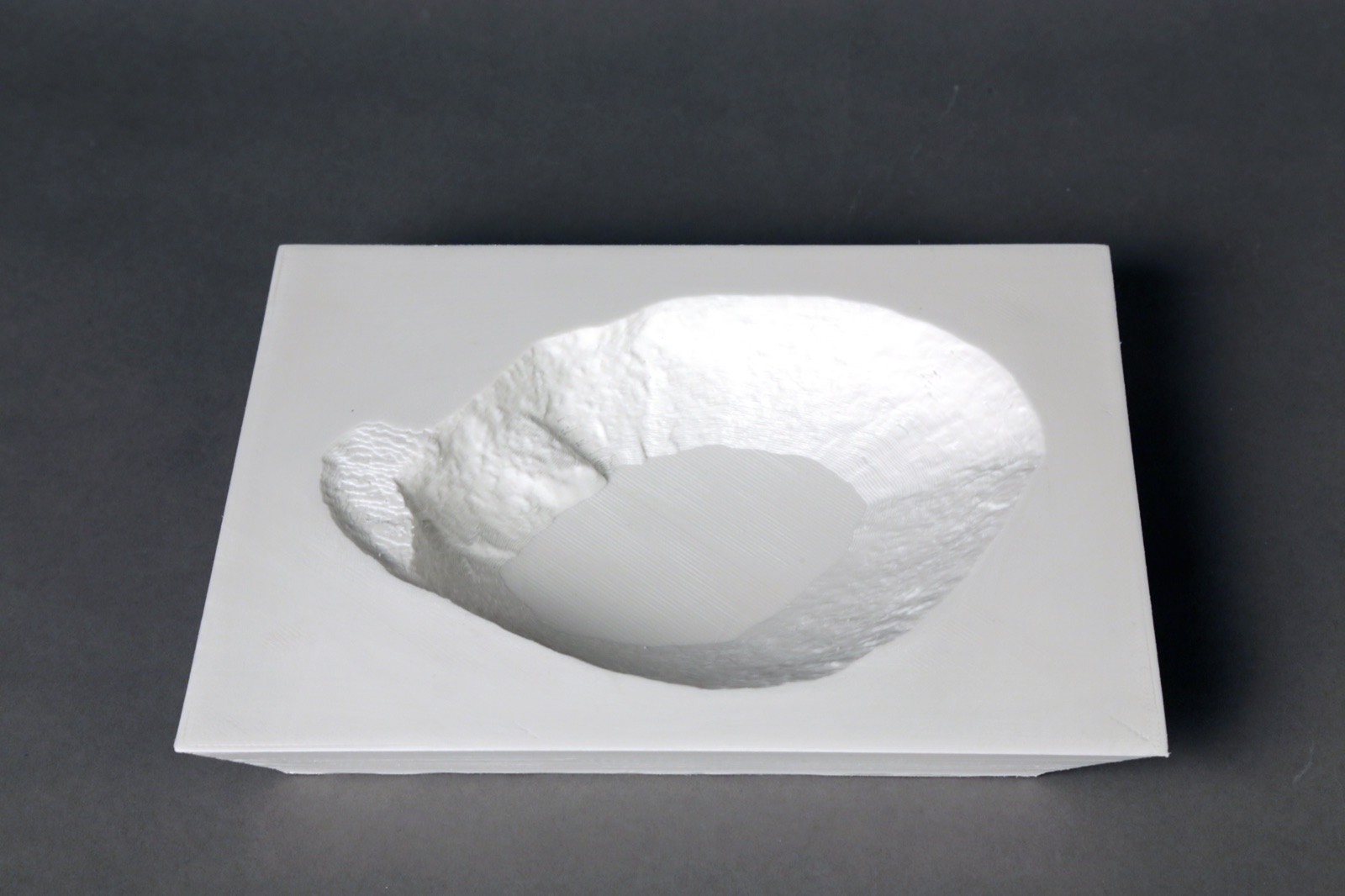
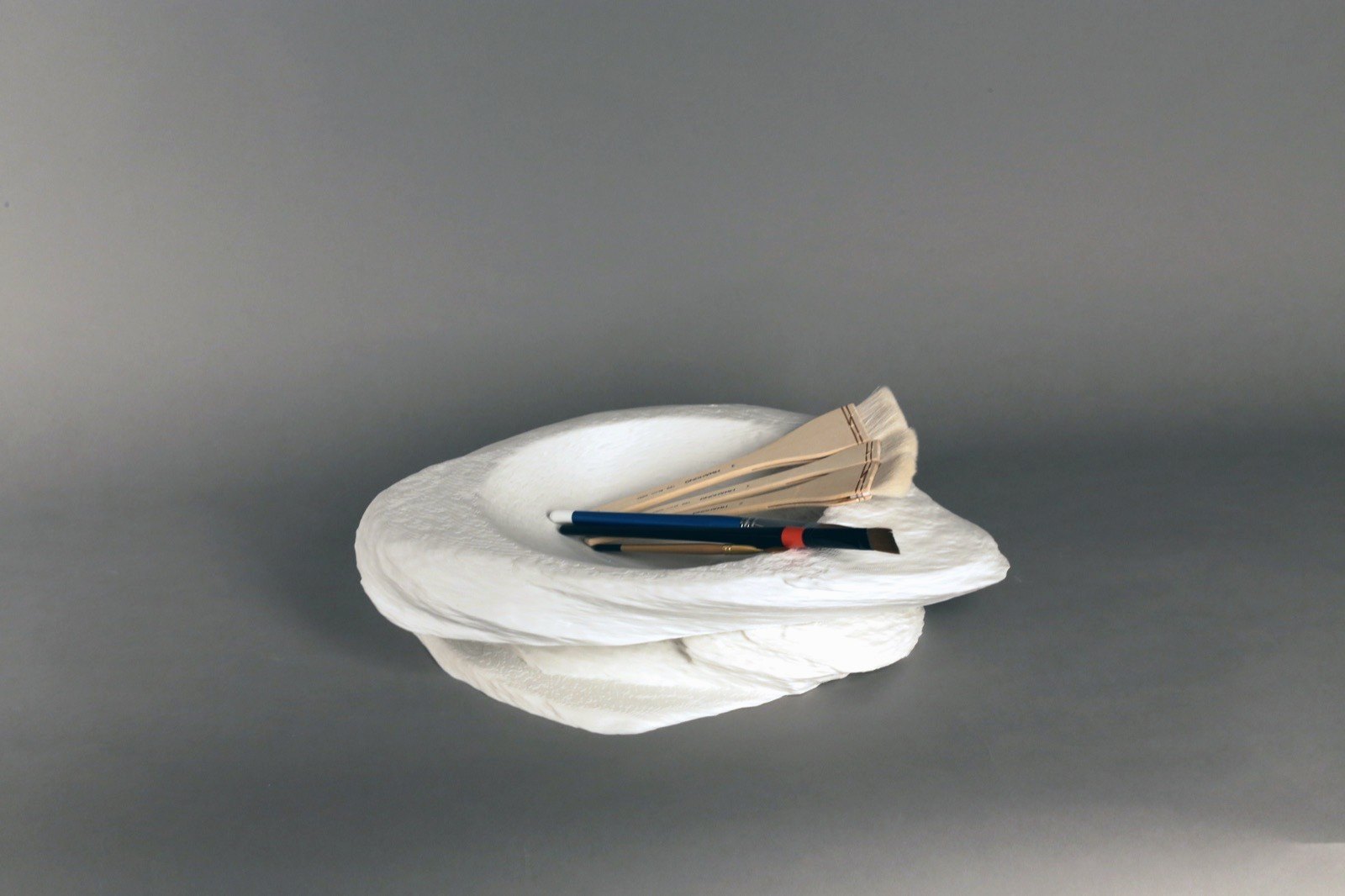
Stone—the oldest natural material—is scanned into data, transformed and replicated, then materialized again by 3D printing and CNC. The original and “another Stone” meet in a joint that translates geuraengi, the traditional Korean scribing technique, into the digital. The film shows an “another Stone” bowl being built layer by layer on the studio’s large-format 3D printer.
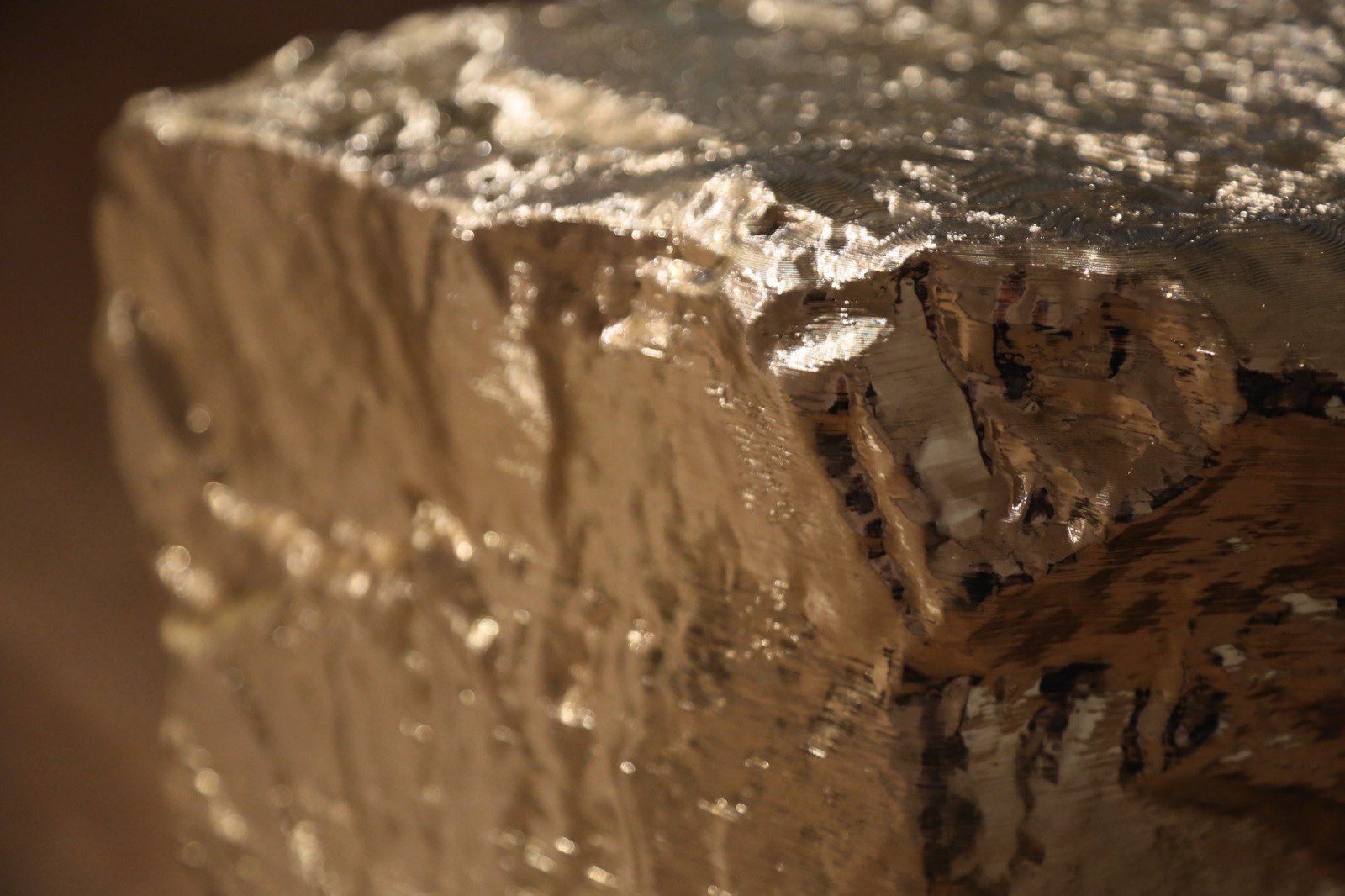
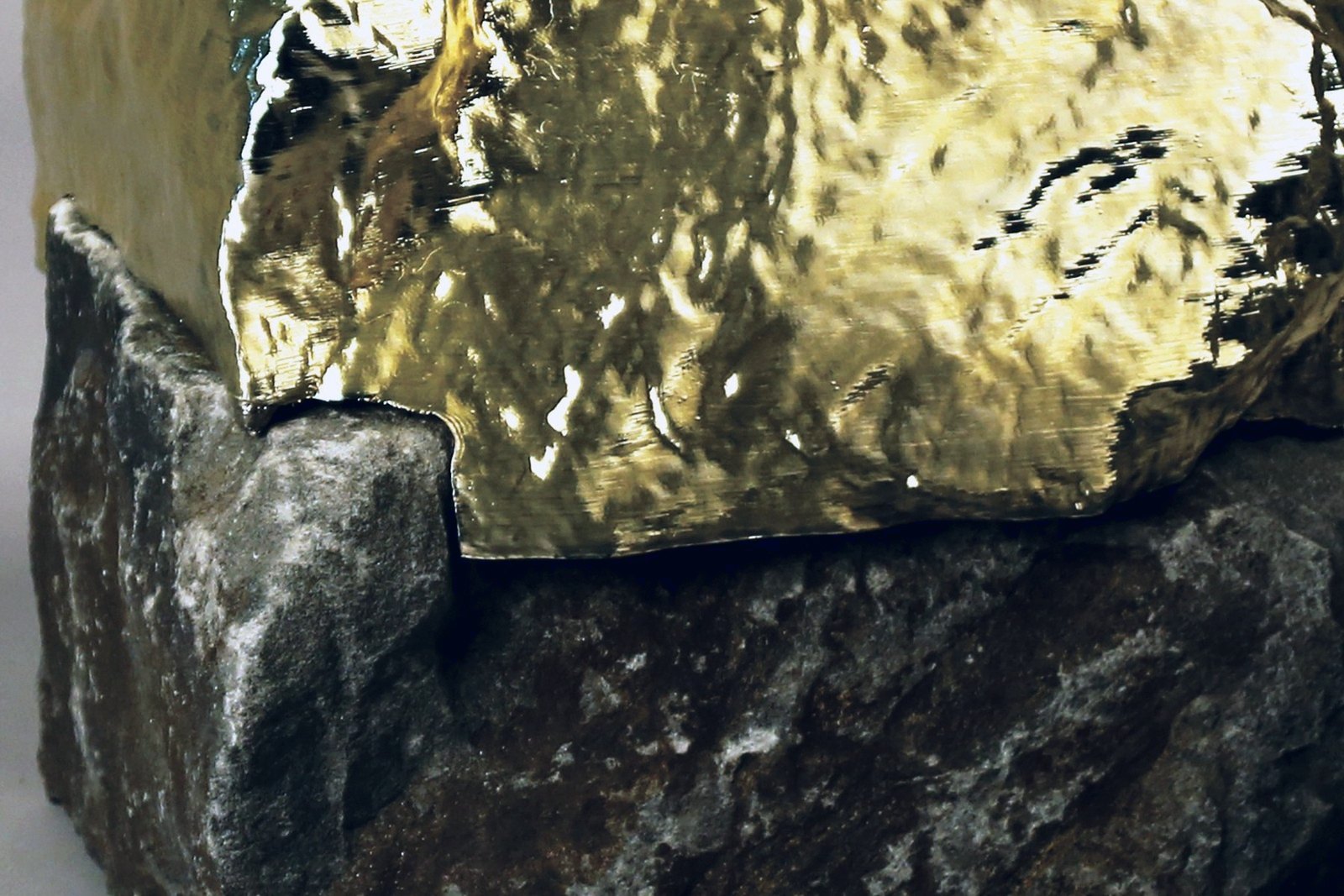
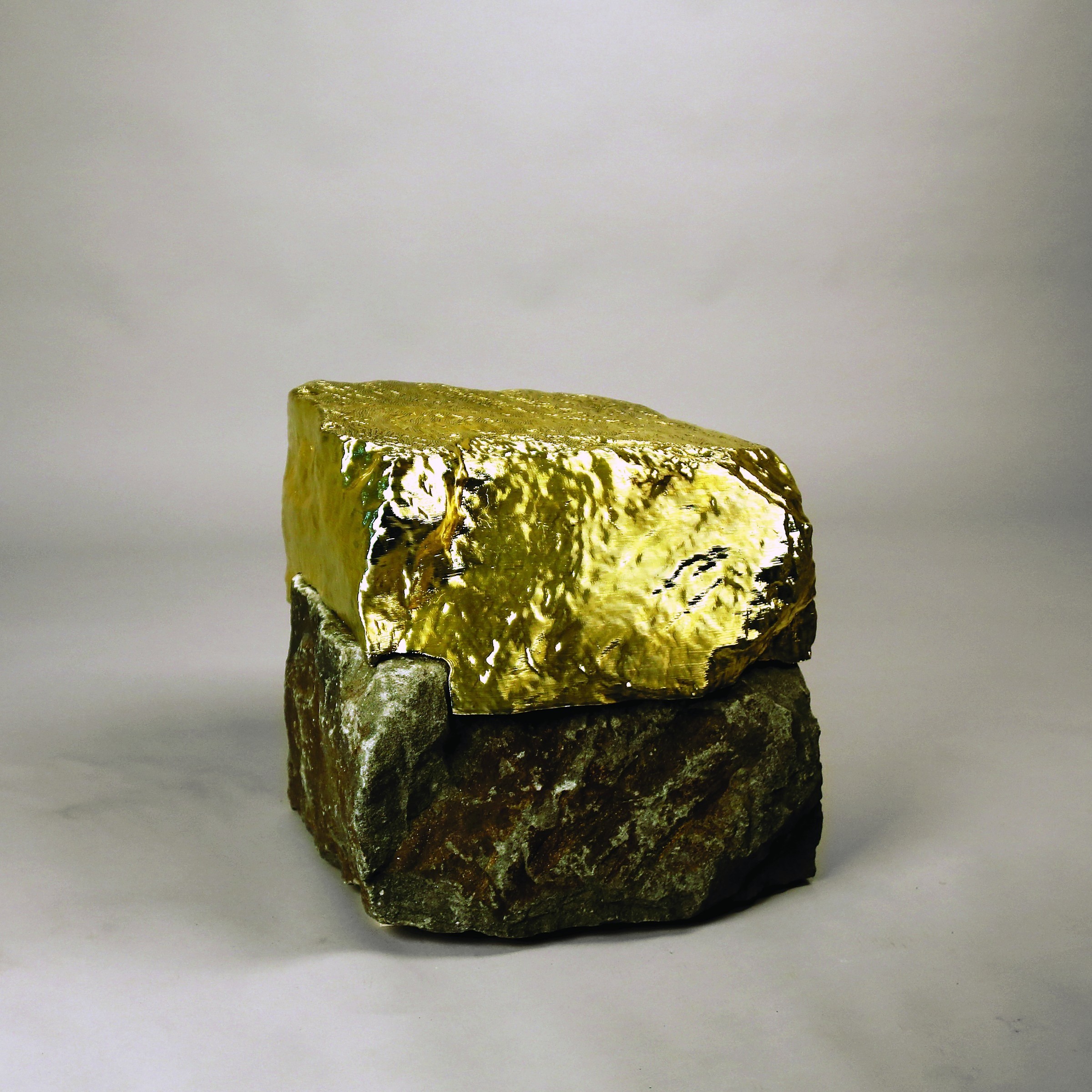
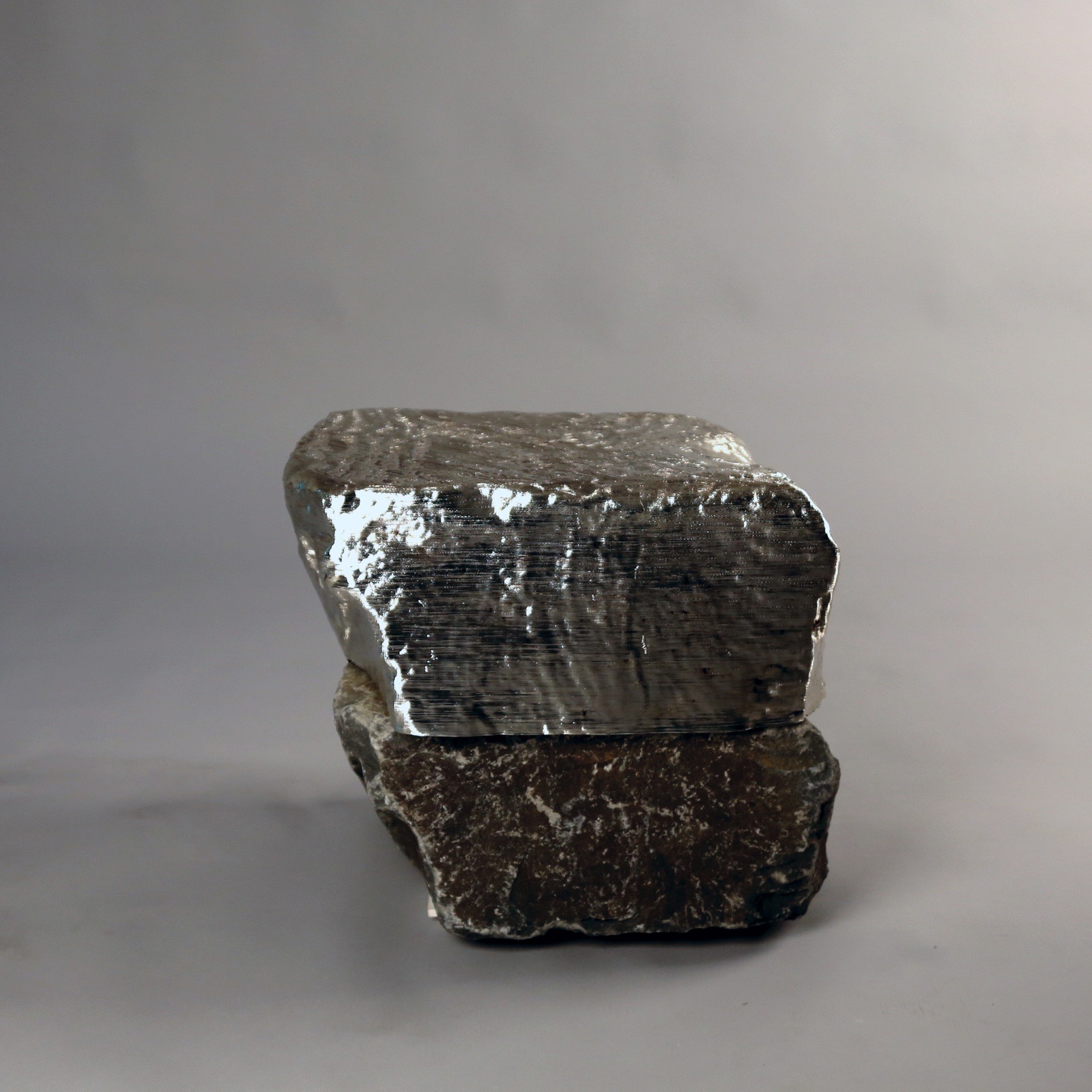
Art furniture joining Boryeong stone with “digital stone”—scanned, transformed, printed and plated in gold or silver—fitted by digital geuraengi. First presented at the doctoral exhibition at Hongik Museum of Art, 2016.
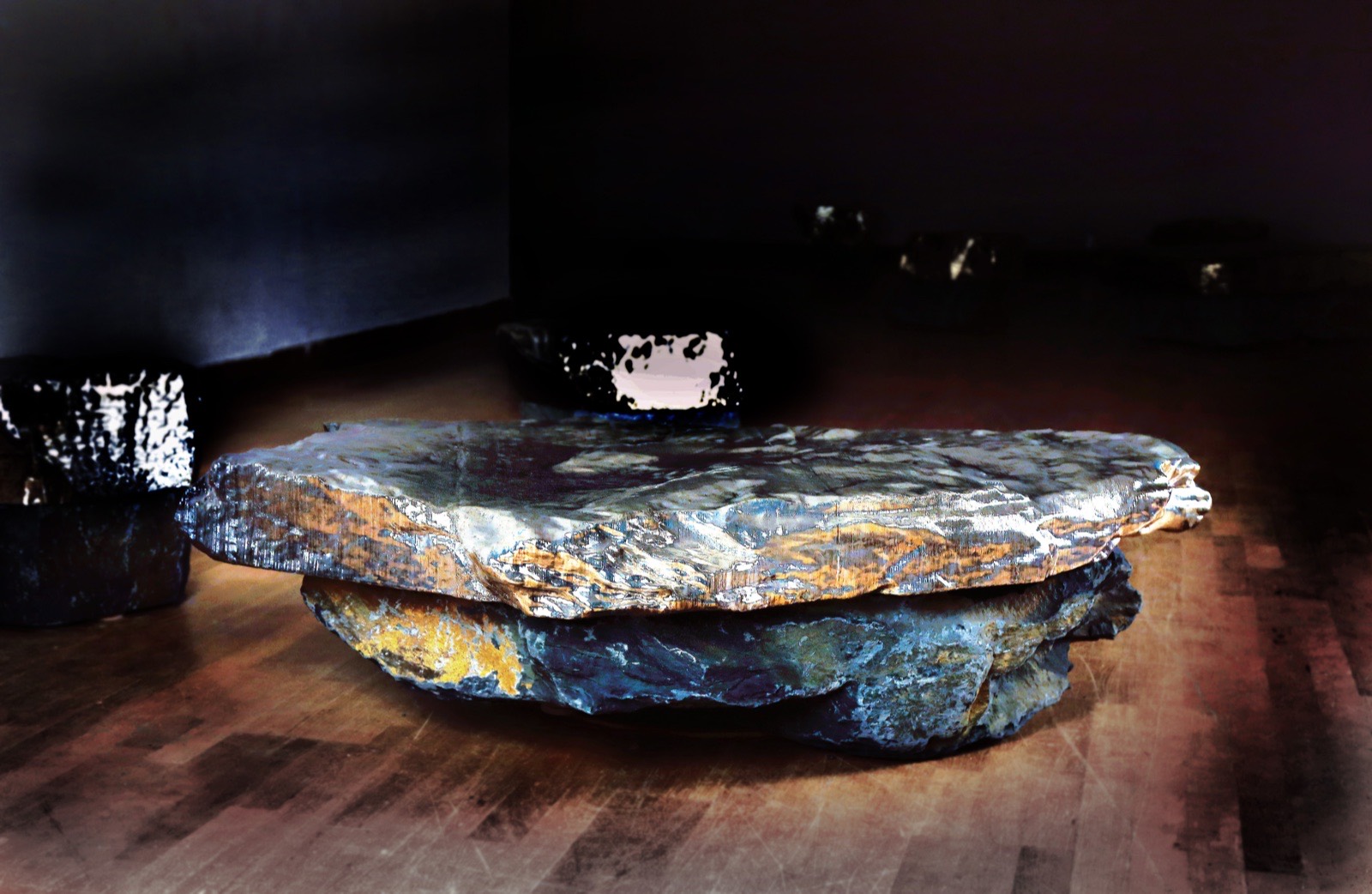
Stone is scanned into data, replicated and transformed through CNC machining and 3D printing, then finished in traditional ottchil lacquer—reflecting on the value between original and reproduction, and carrying wishes for good fortune inspired by the folk practice of dol seonang.
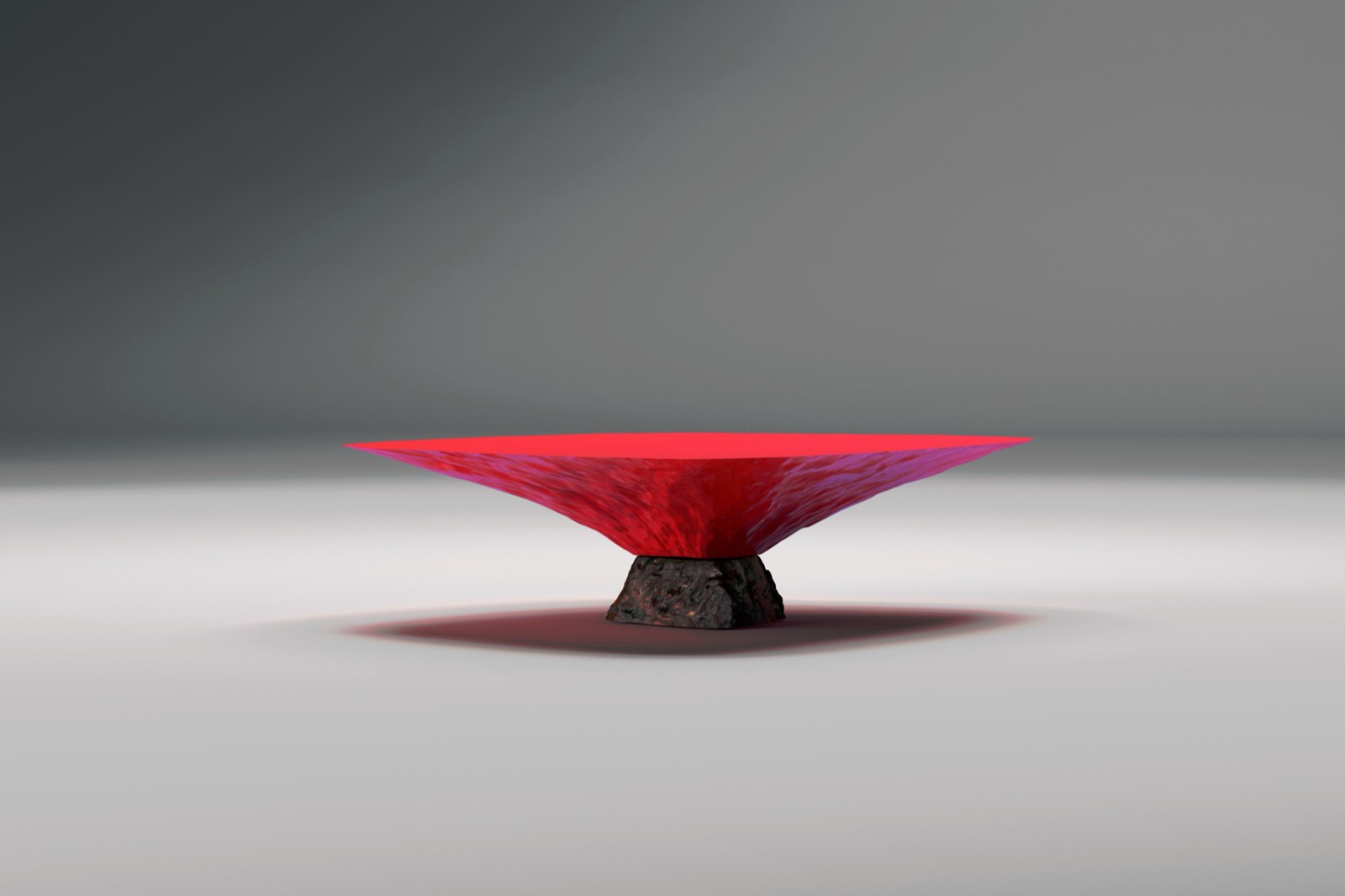
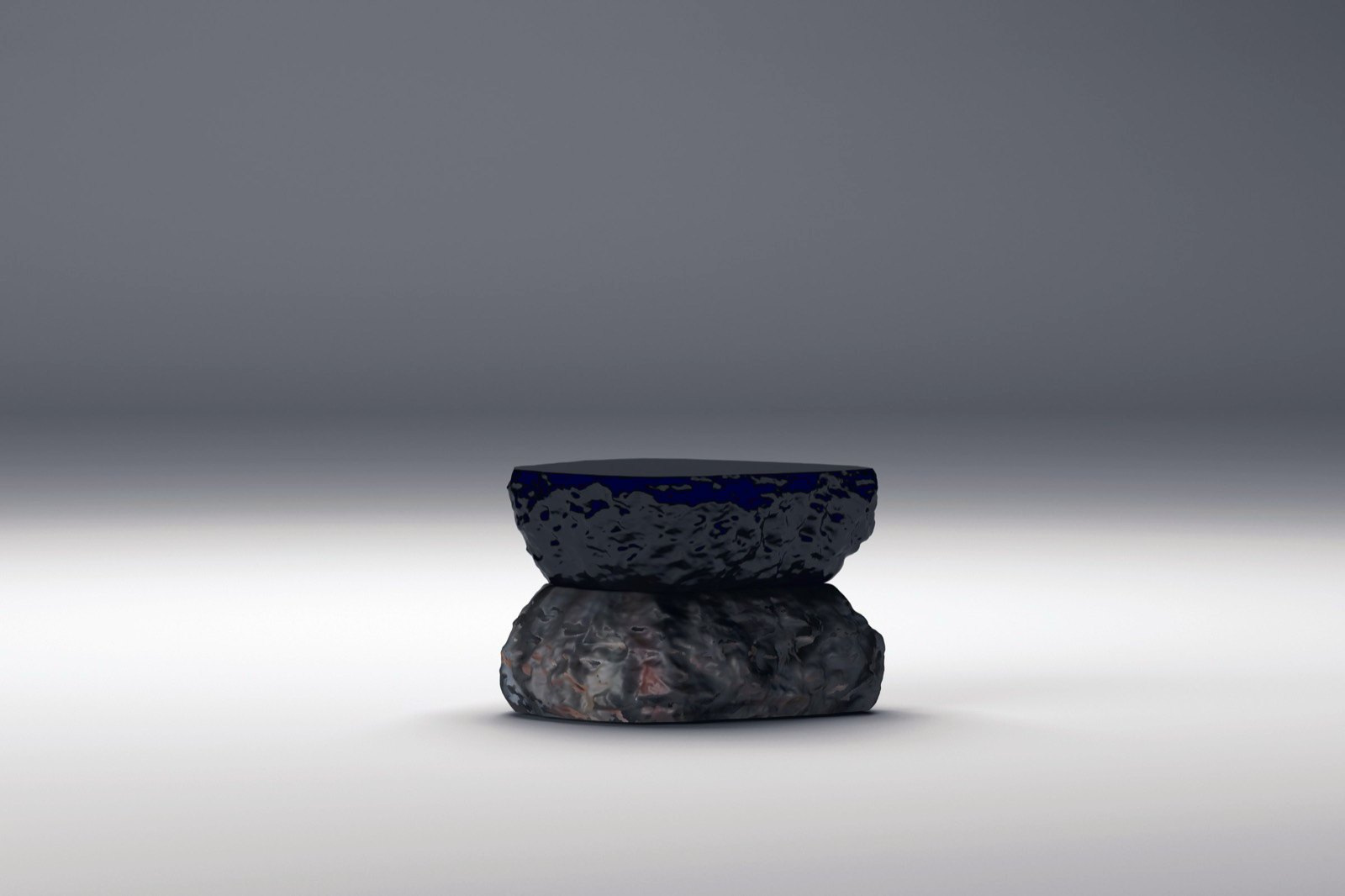
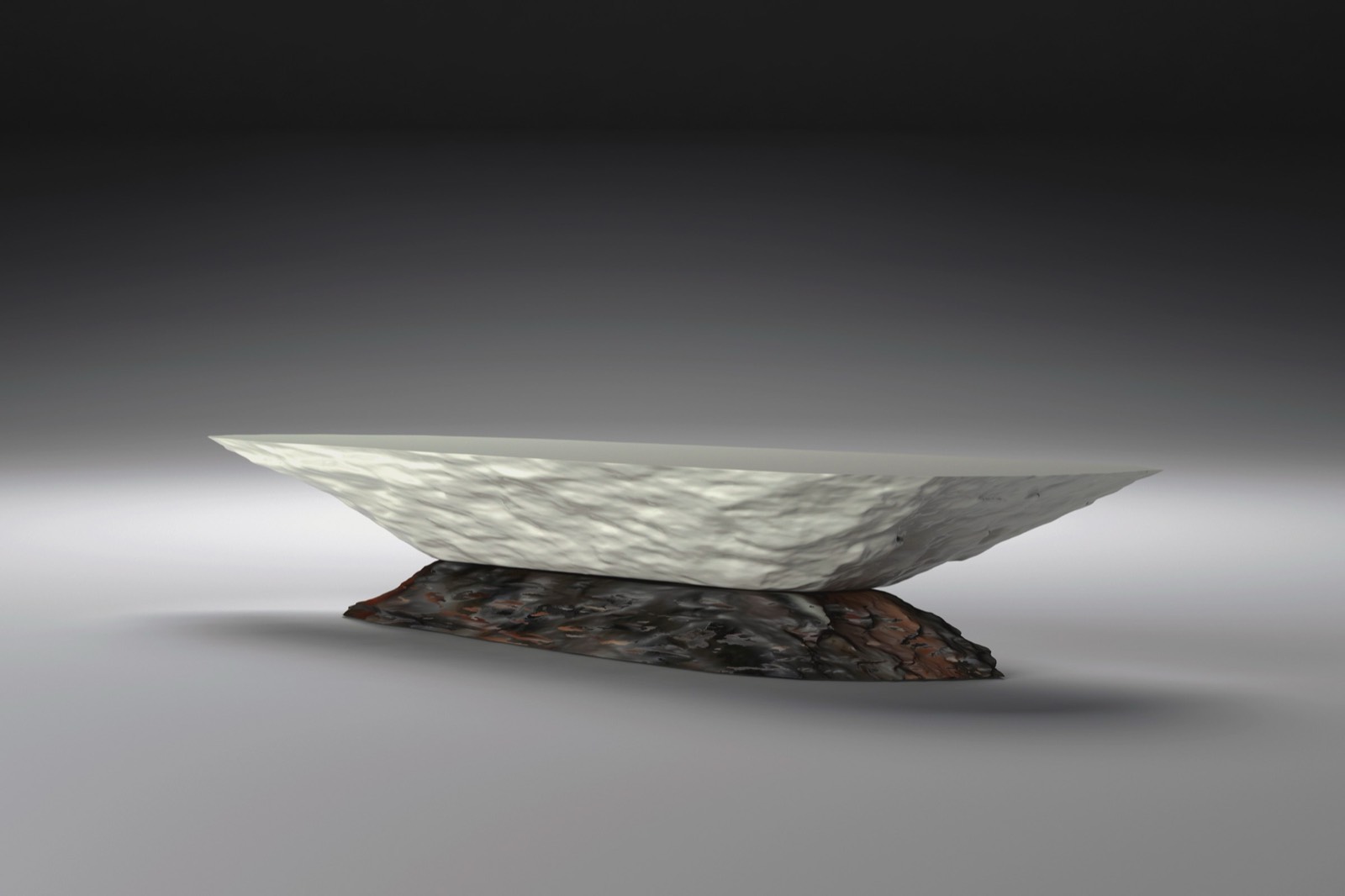
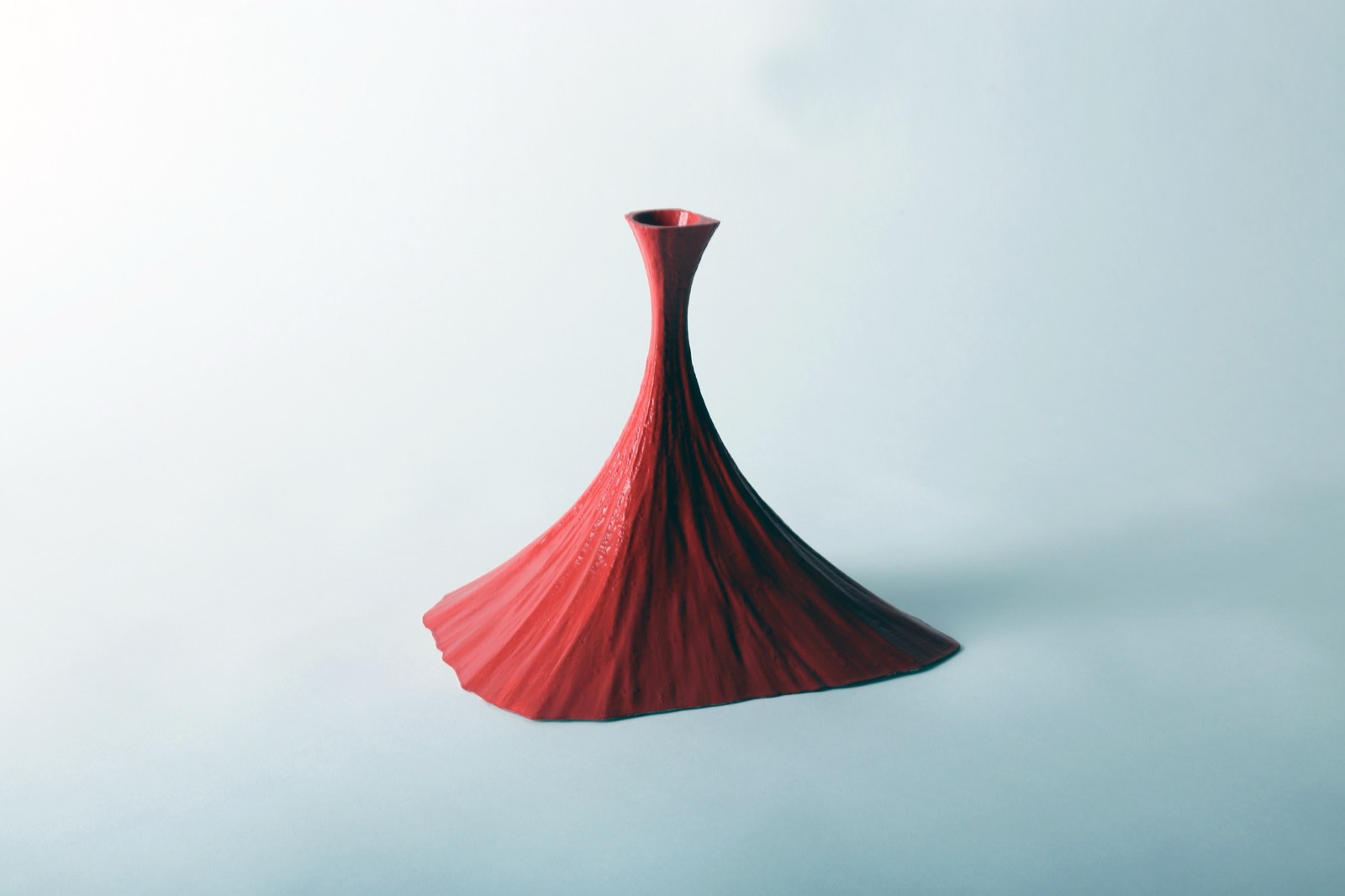
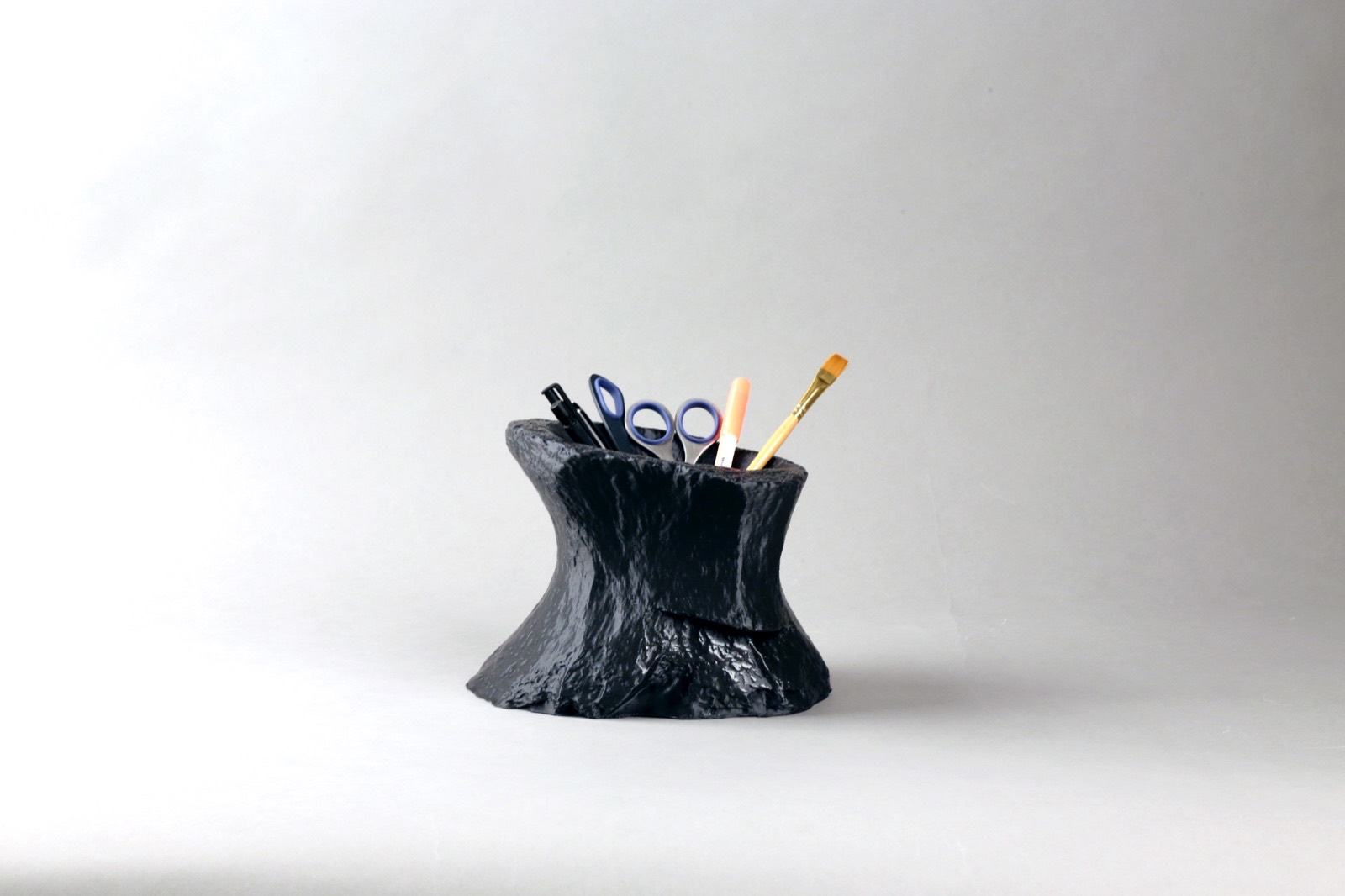
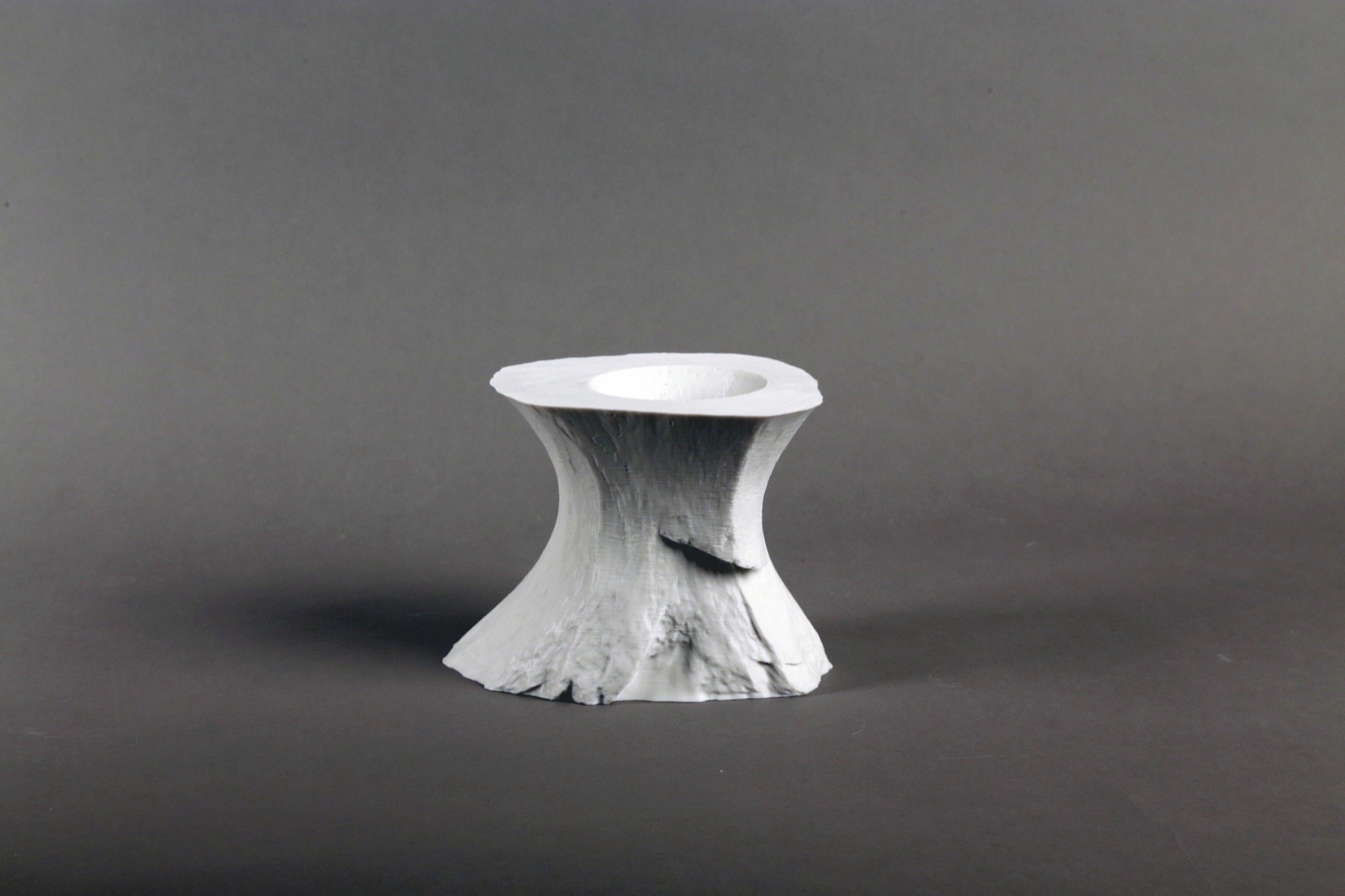
Desk objects in which virtual forms are materialized through 3D scanning and printing. They look like stone but are not—a deliberate cognitive error that offers visual surprise, exploring how a digital copy gains a value of its own.
Drag to browse. 3D-printed PLA objects finished in natural paint; “White Handle” was shown at SaloneSatellite, Milan, in 2025.
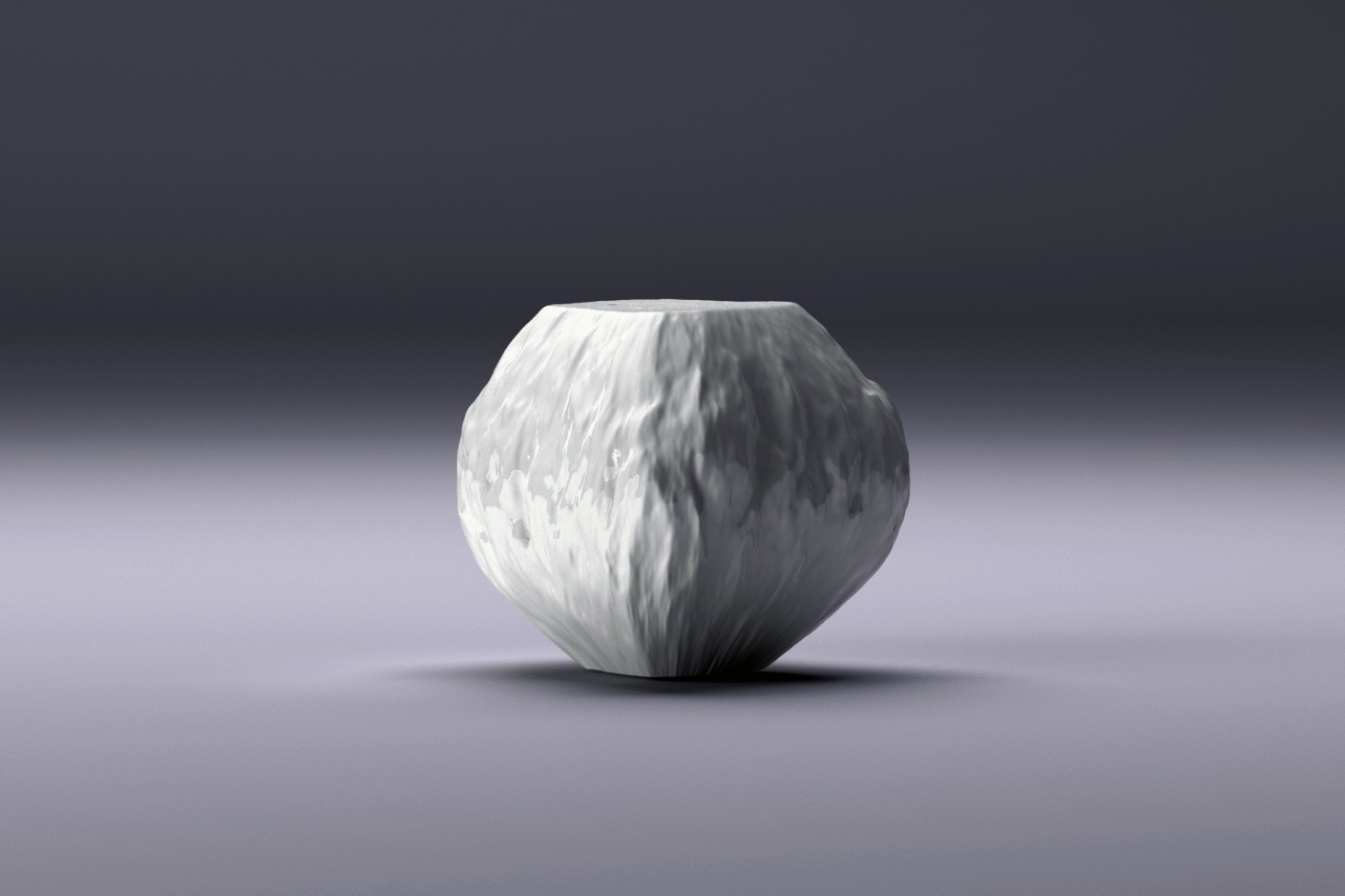
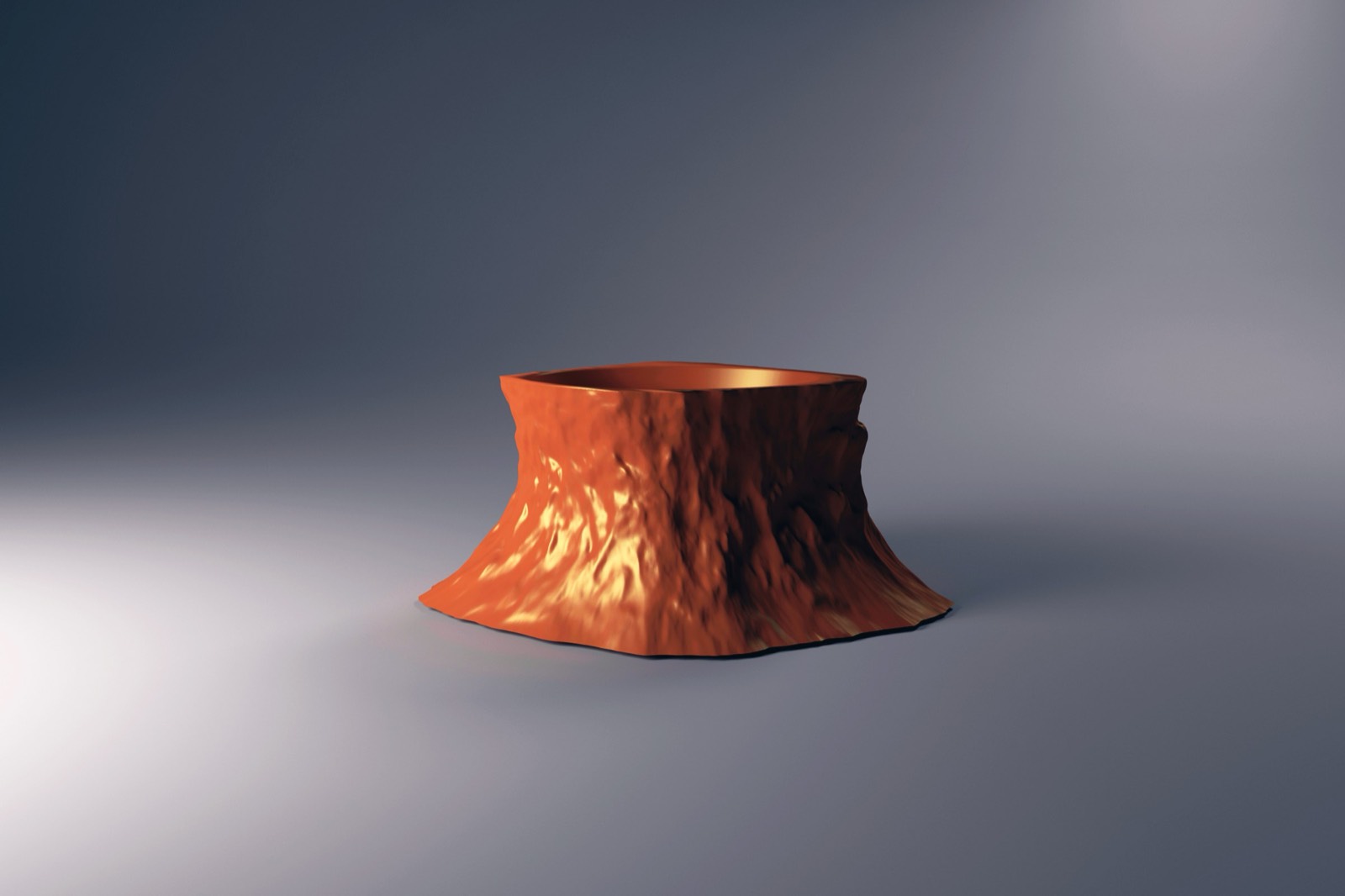
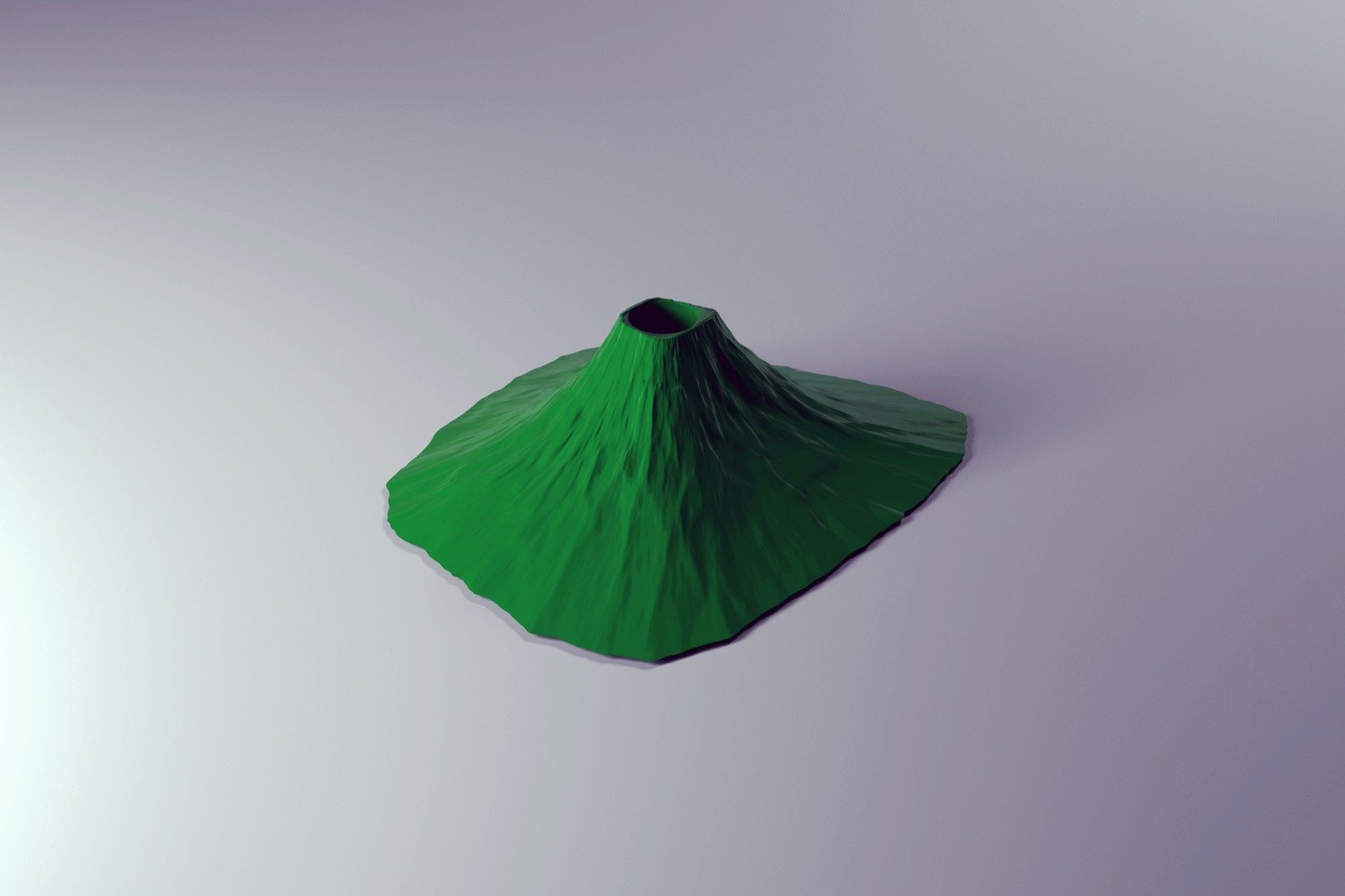
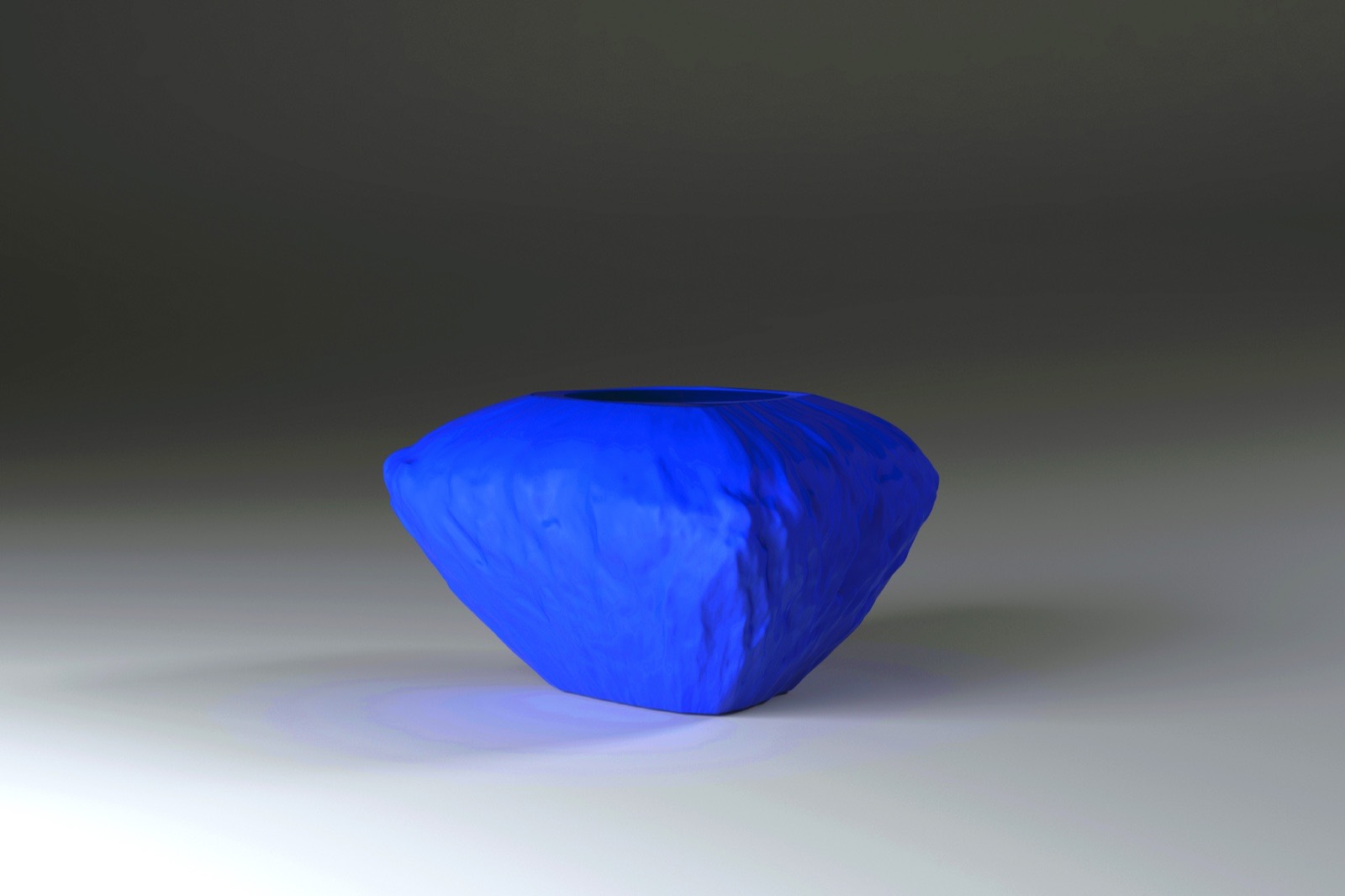
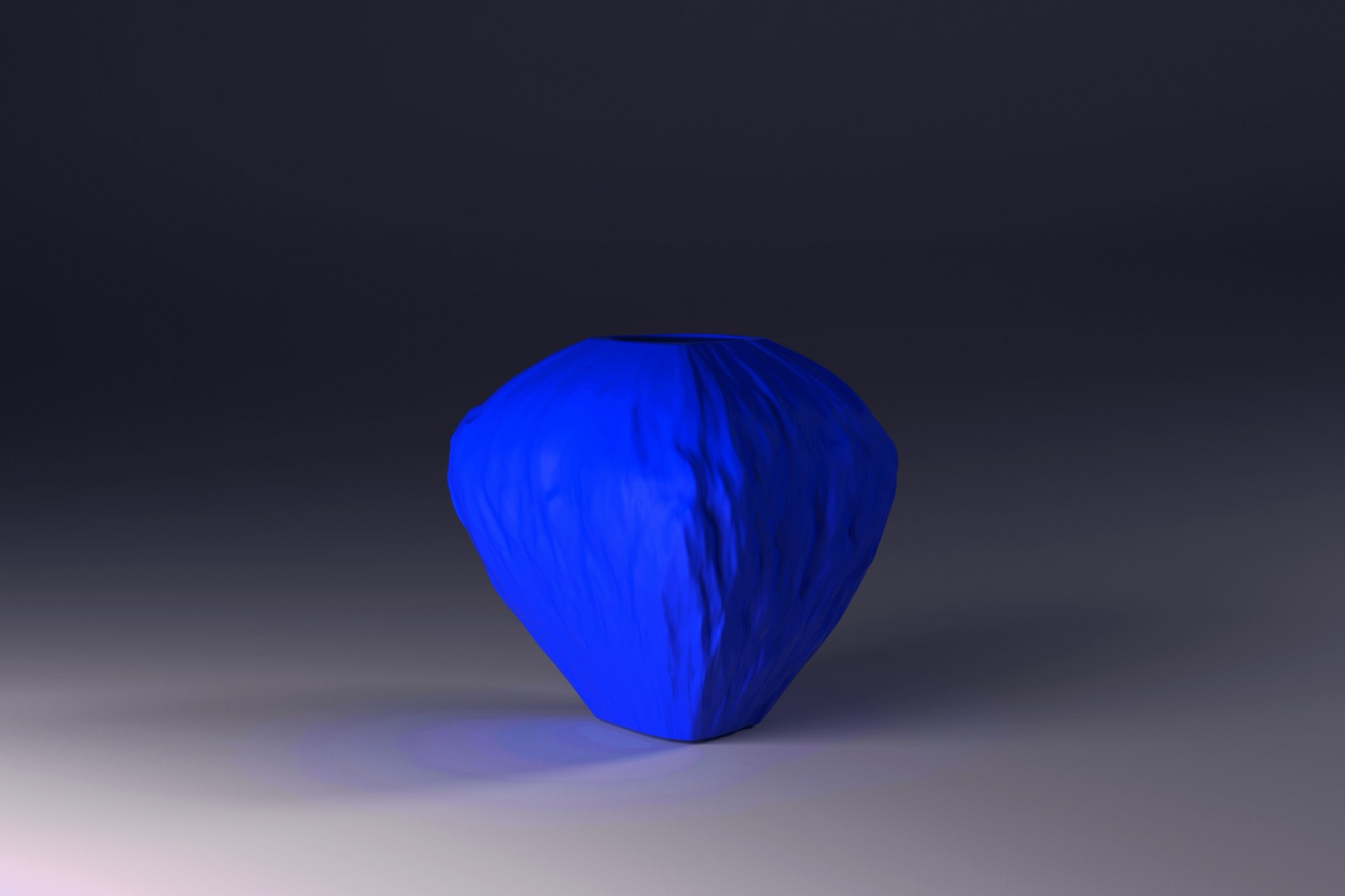
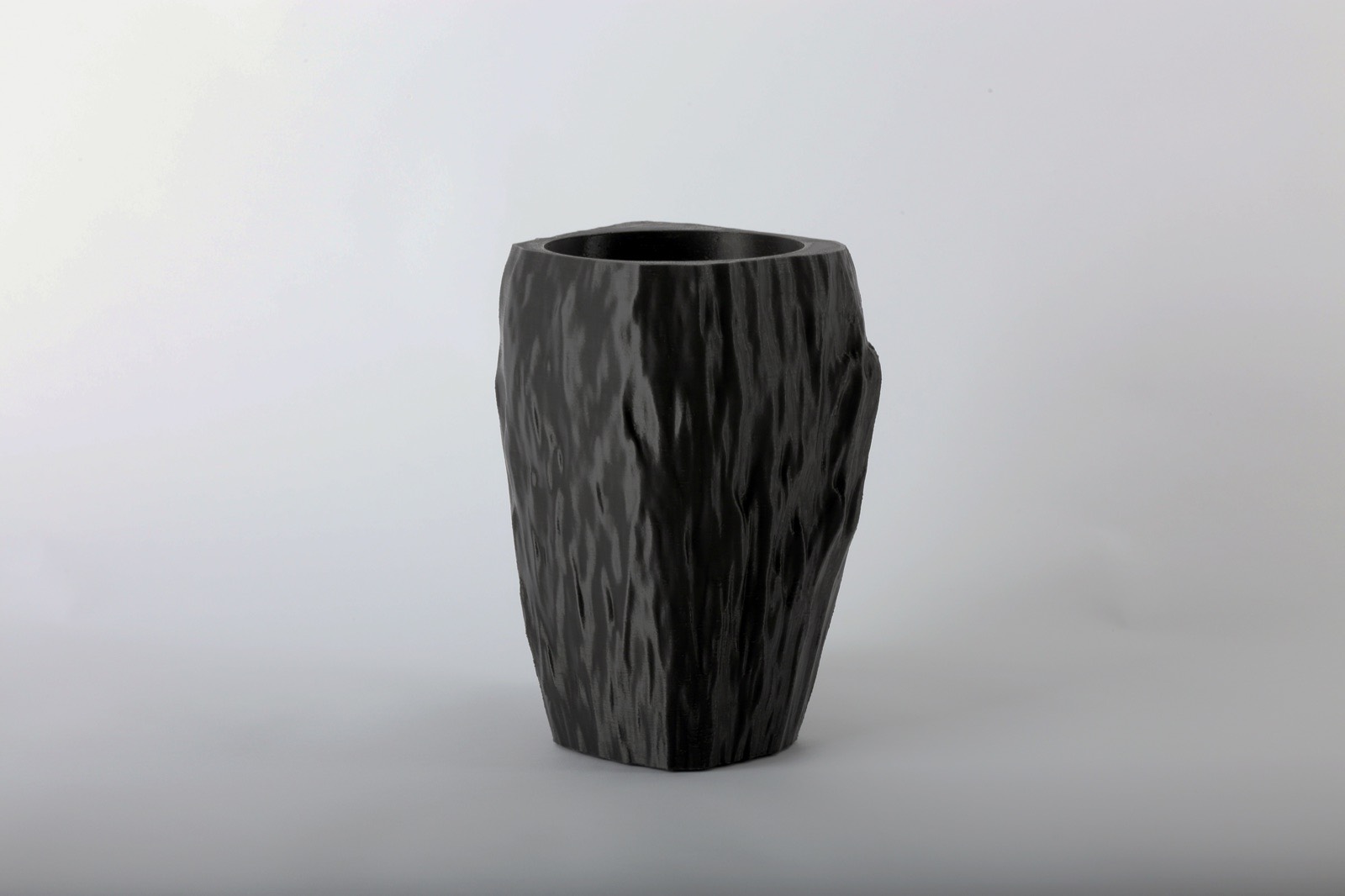
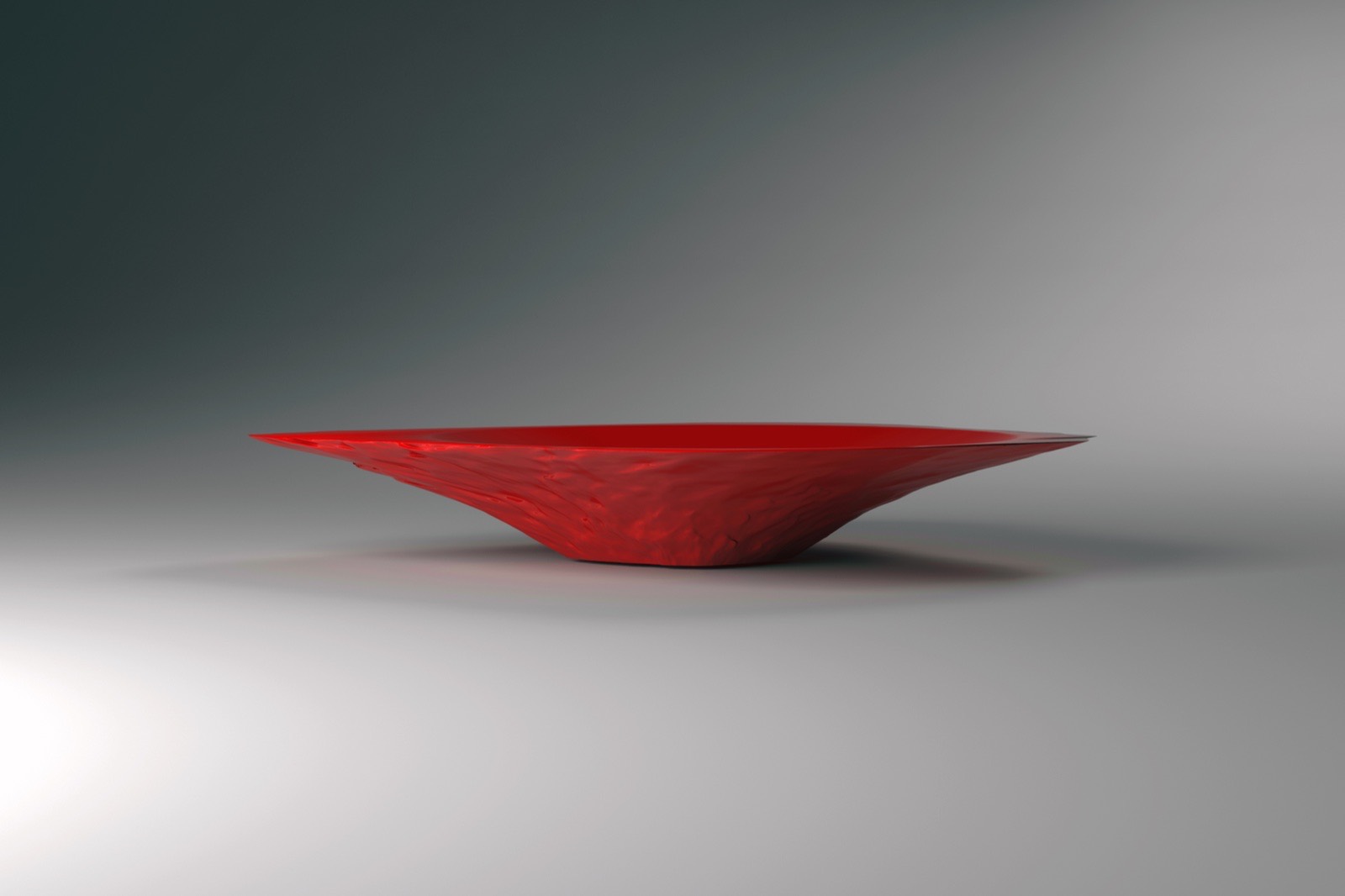
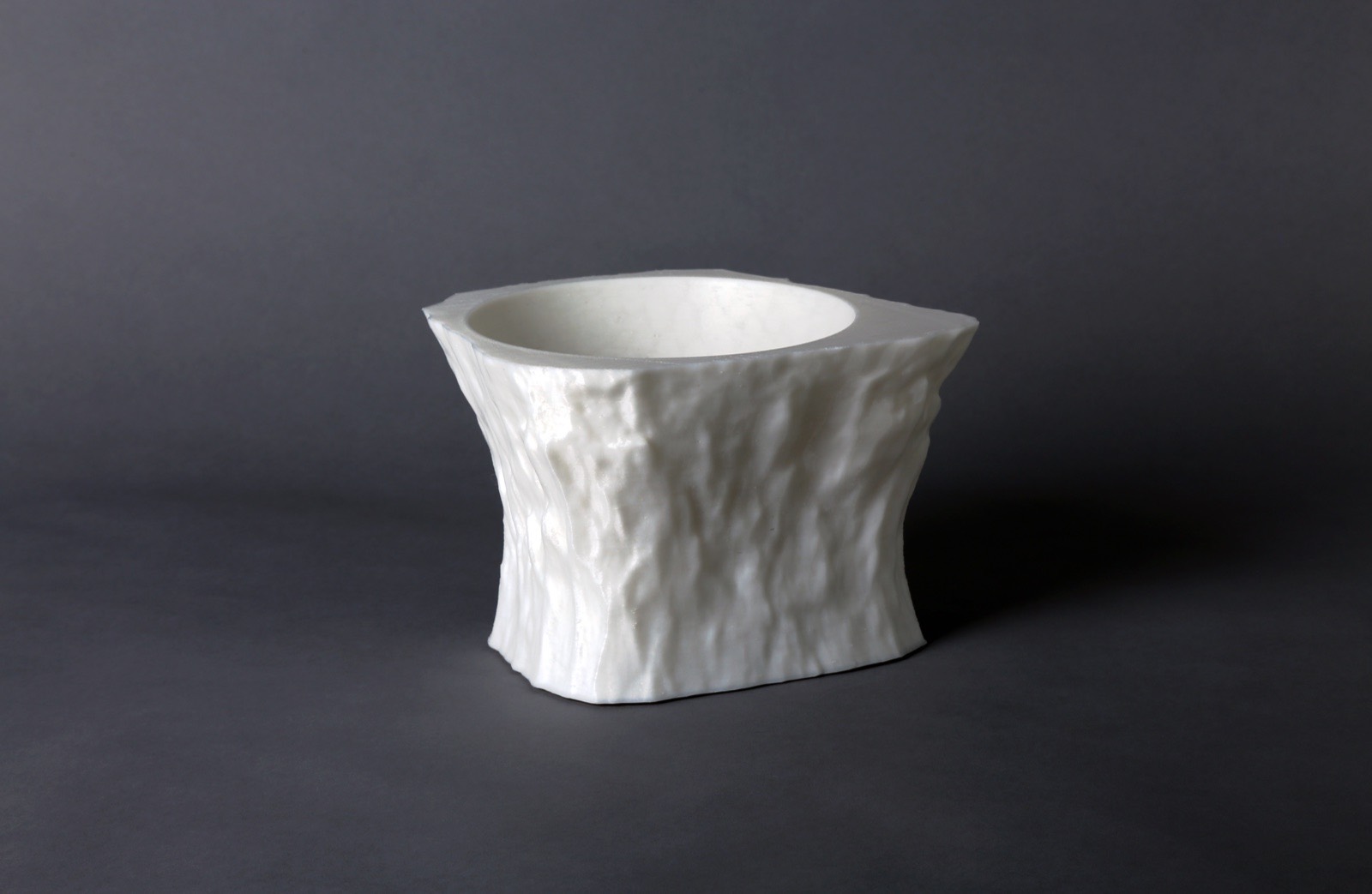
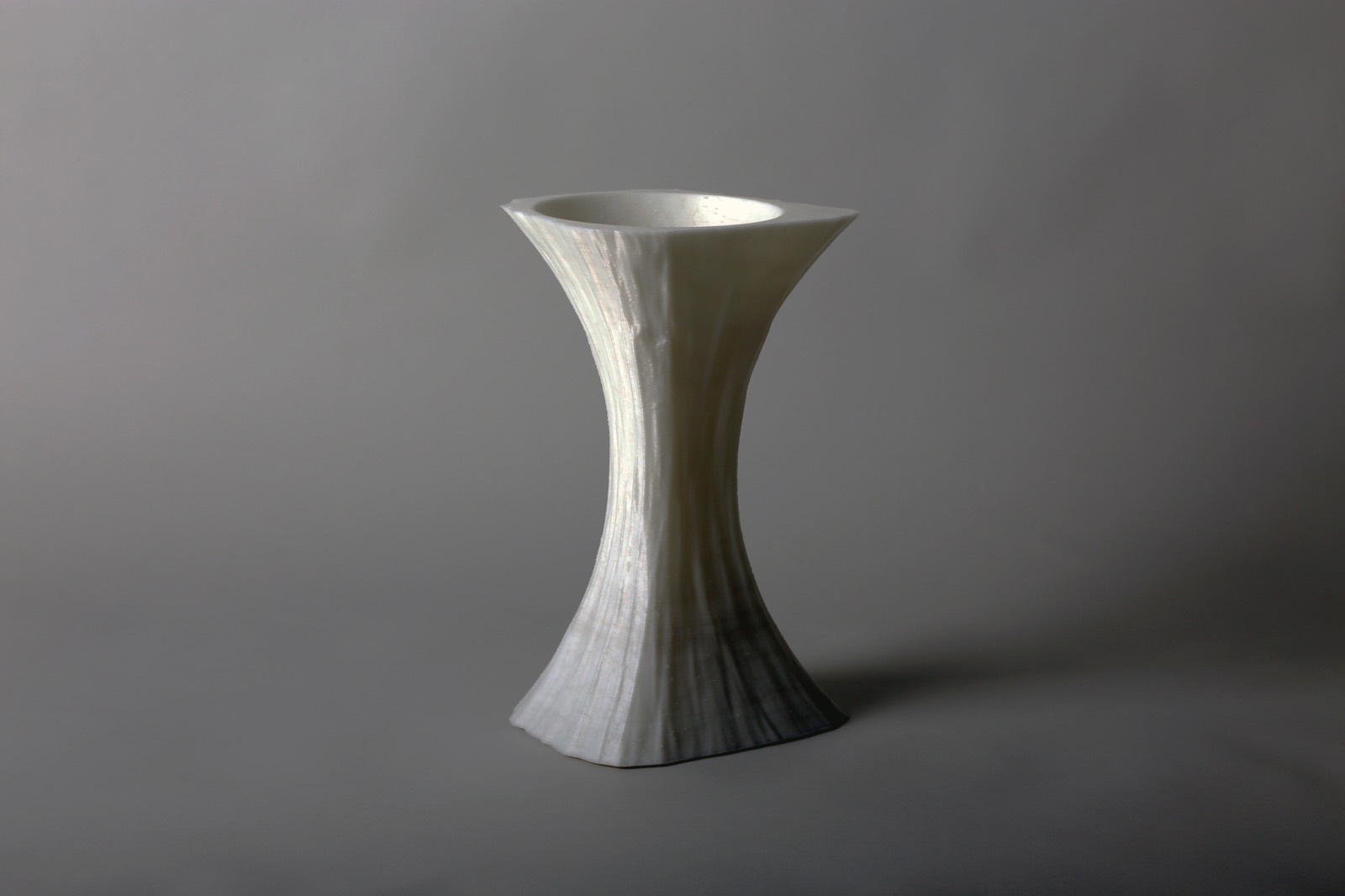
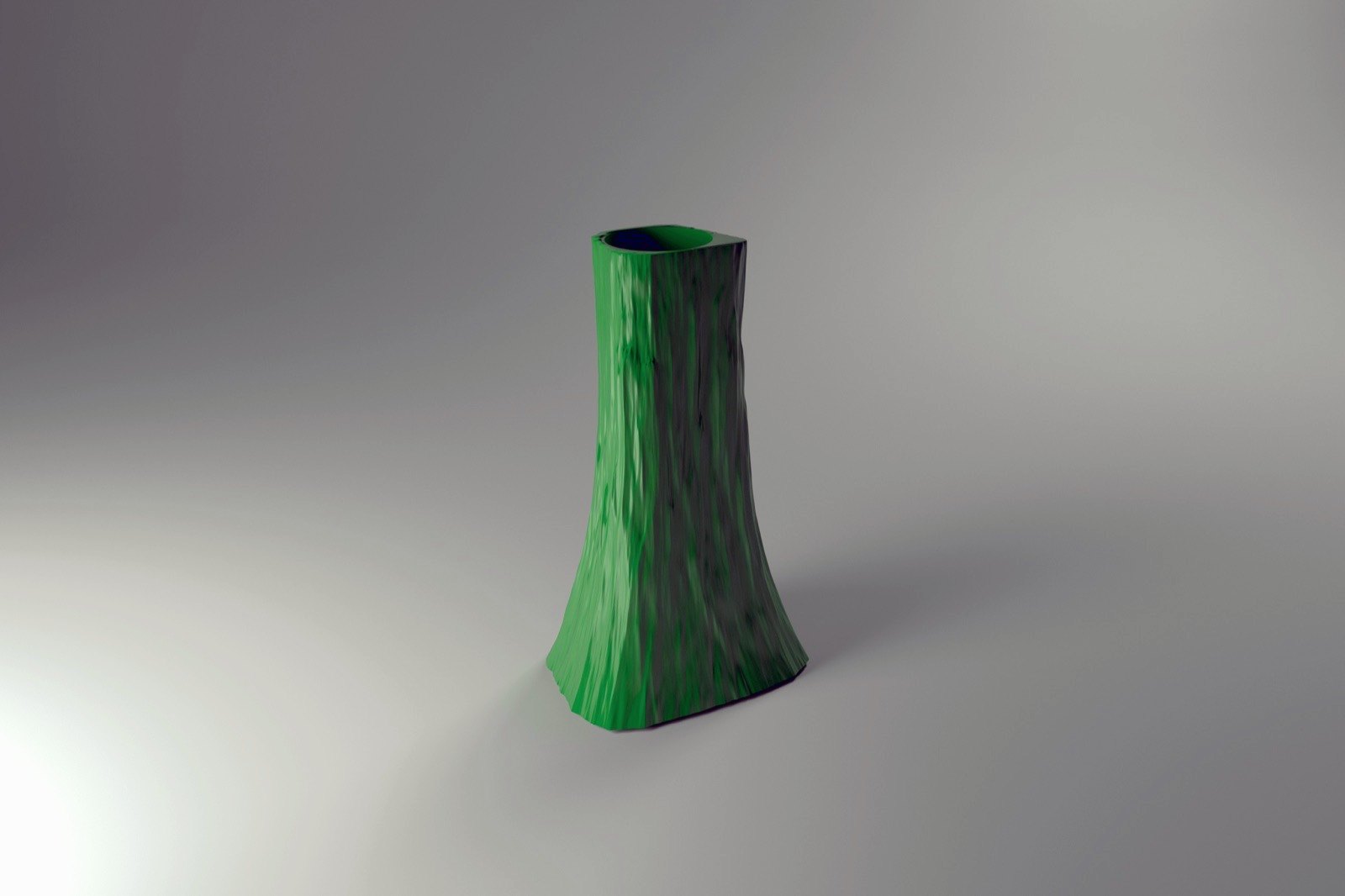
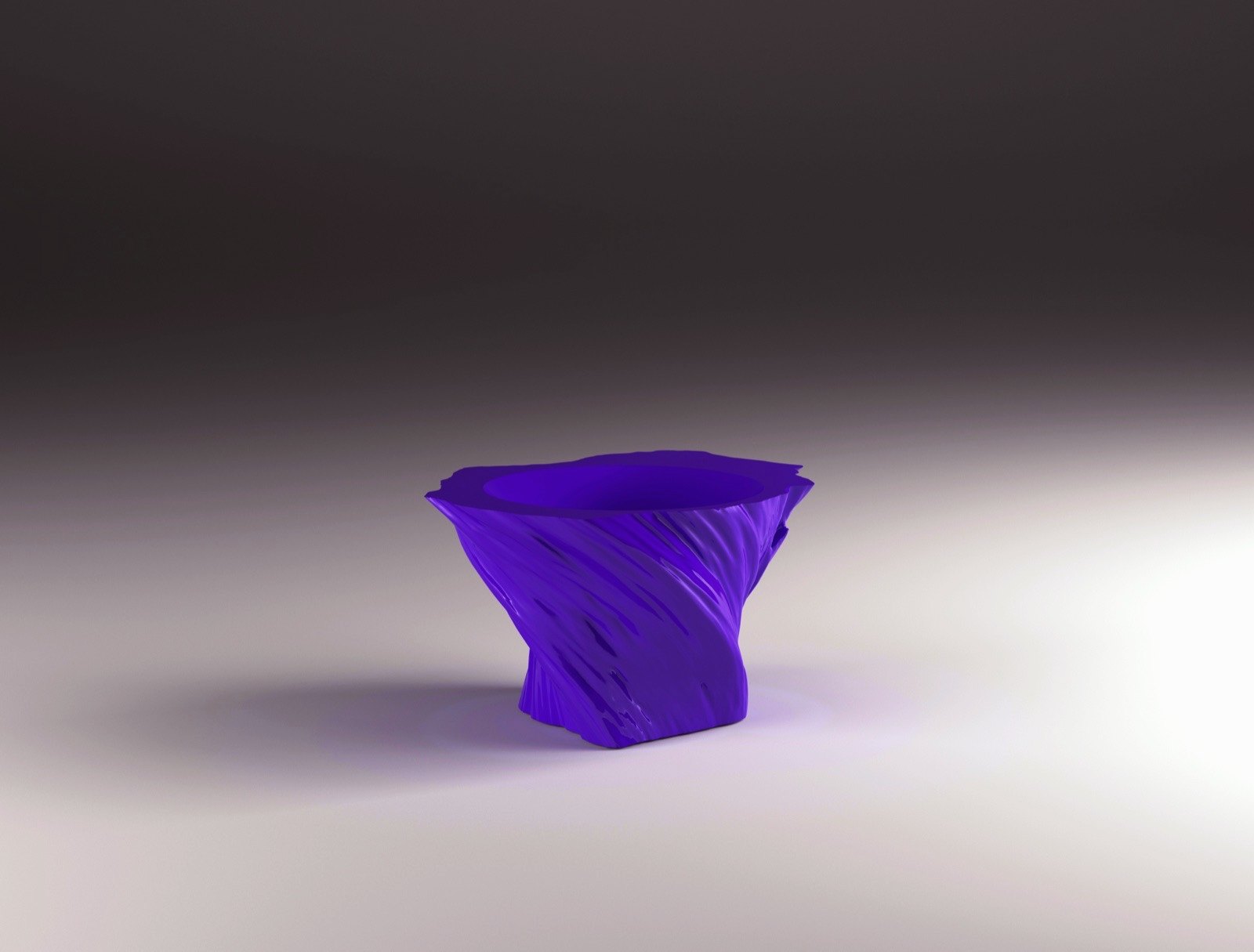
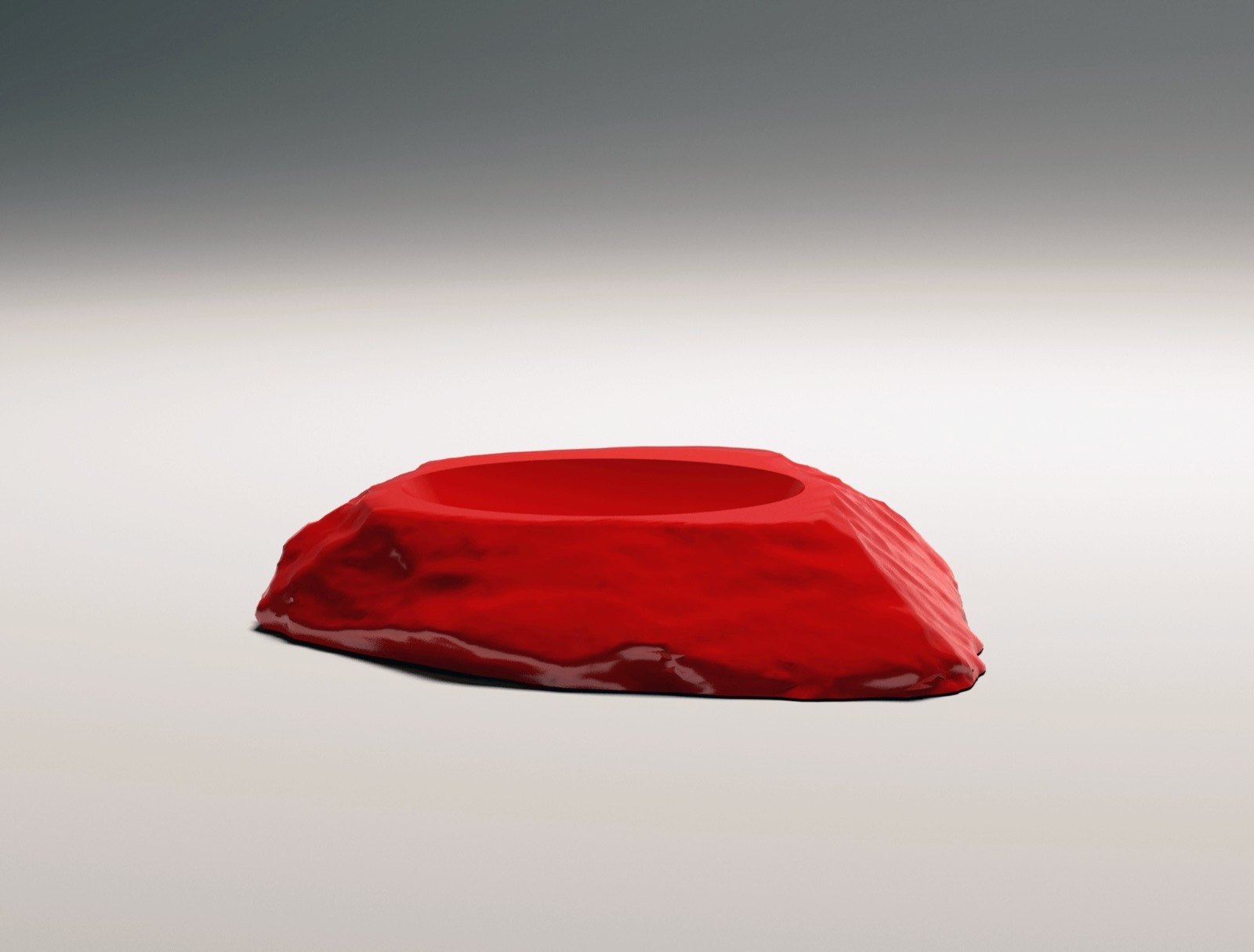
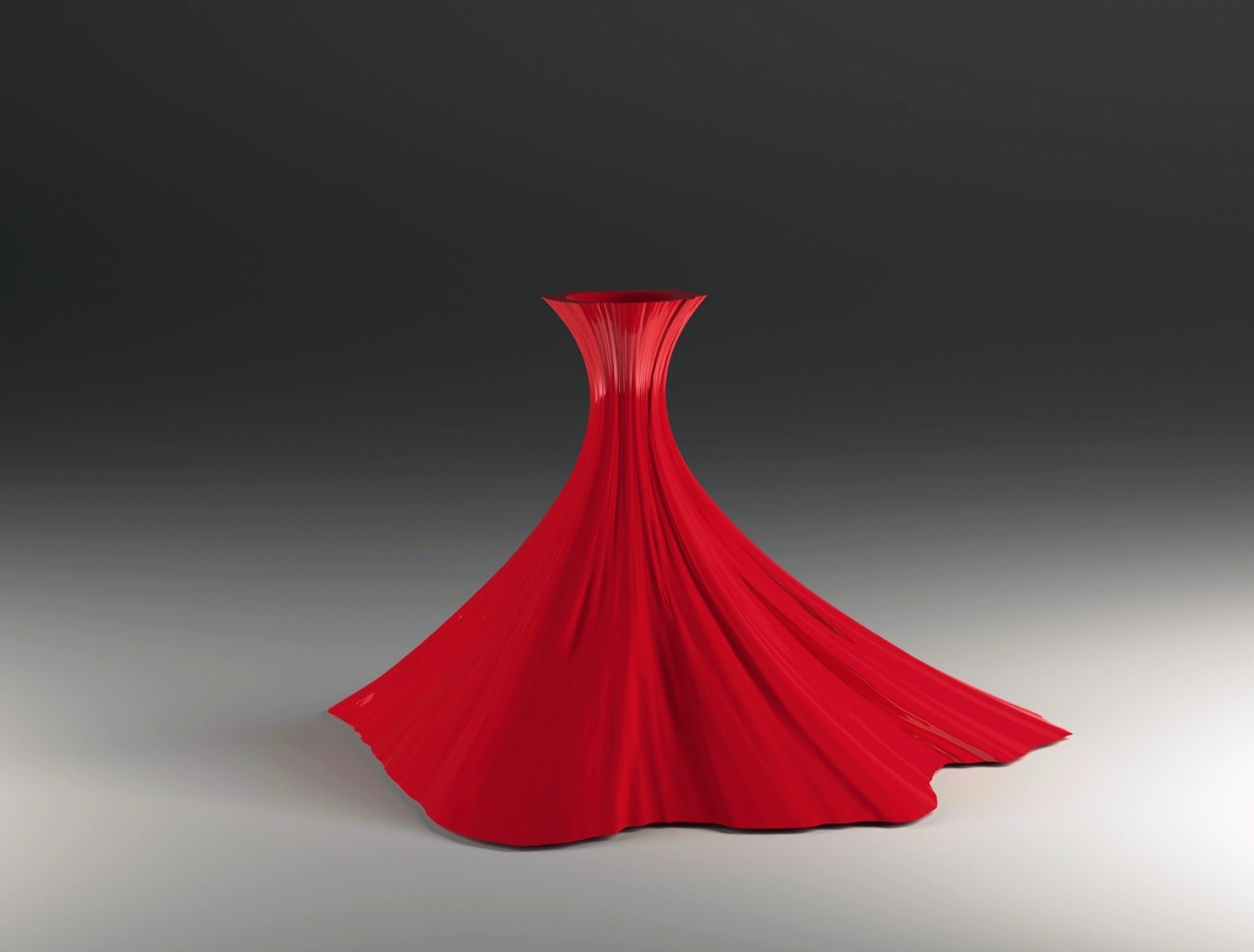
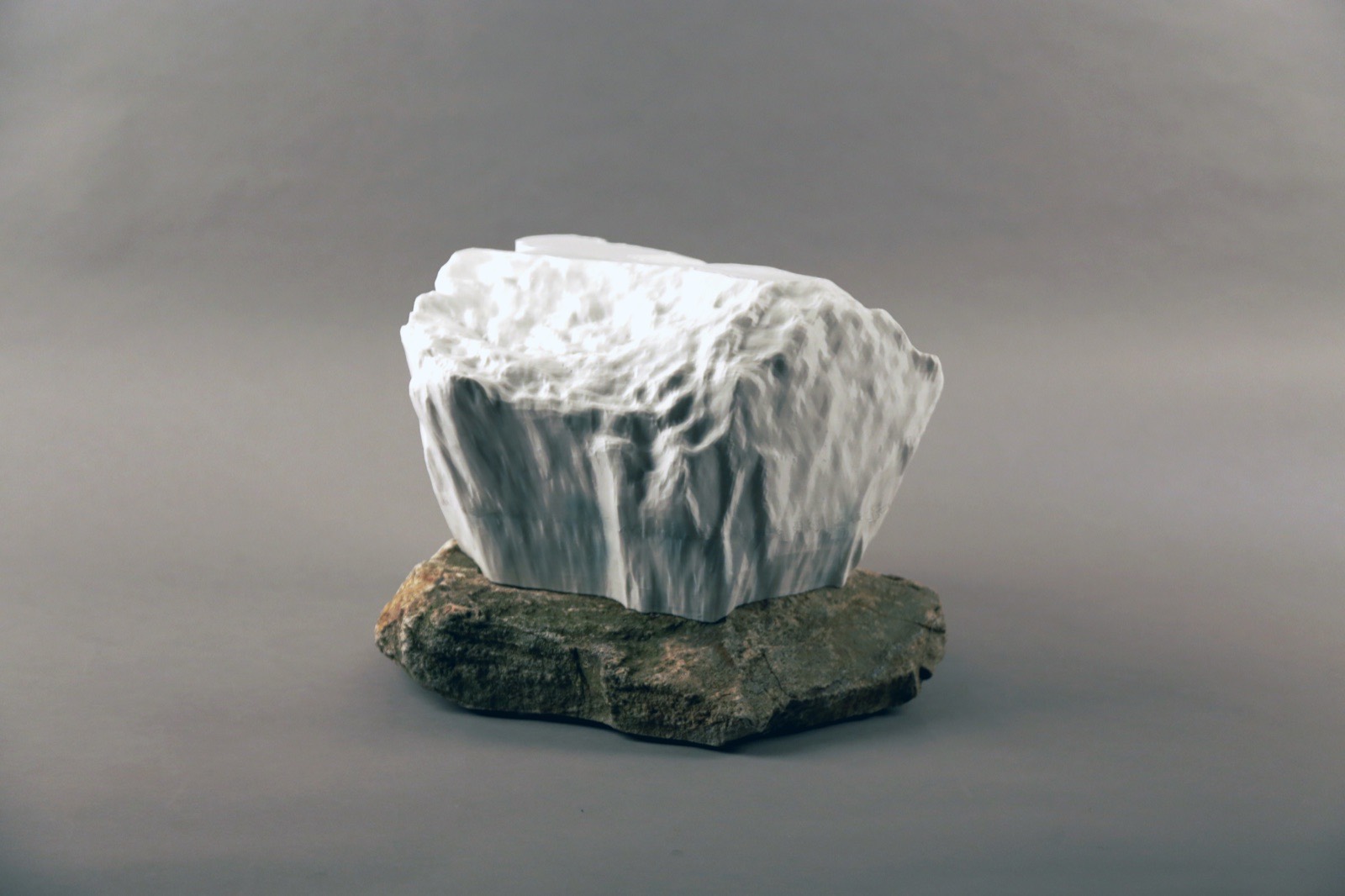
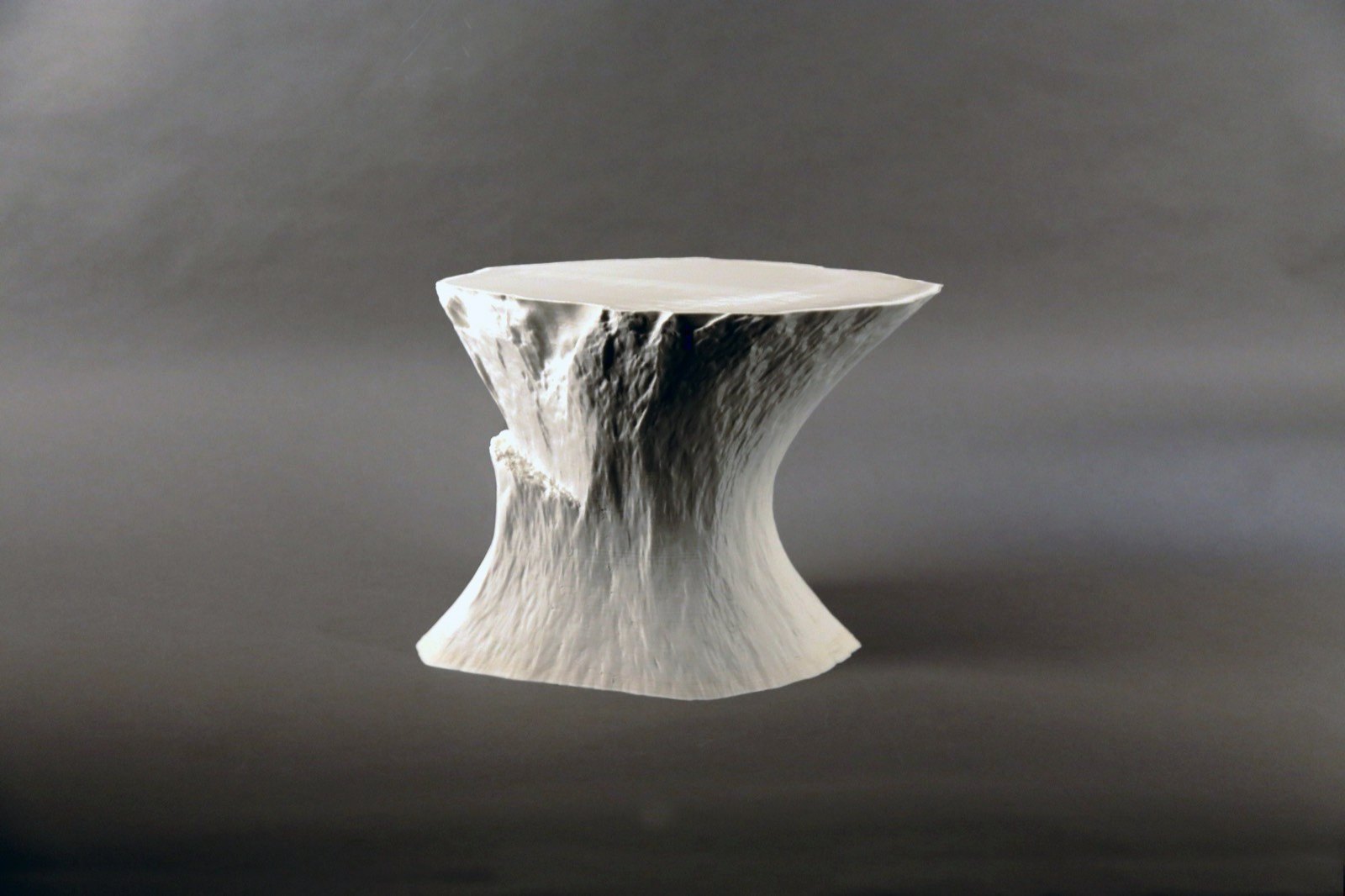
It looks like stone but is not. The first series of black and white desk objects printed from 3D-scanned stone, photographed around the 2015 solo exhibition “This Is Not A Stone” at Limlip Art Museum.
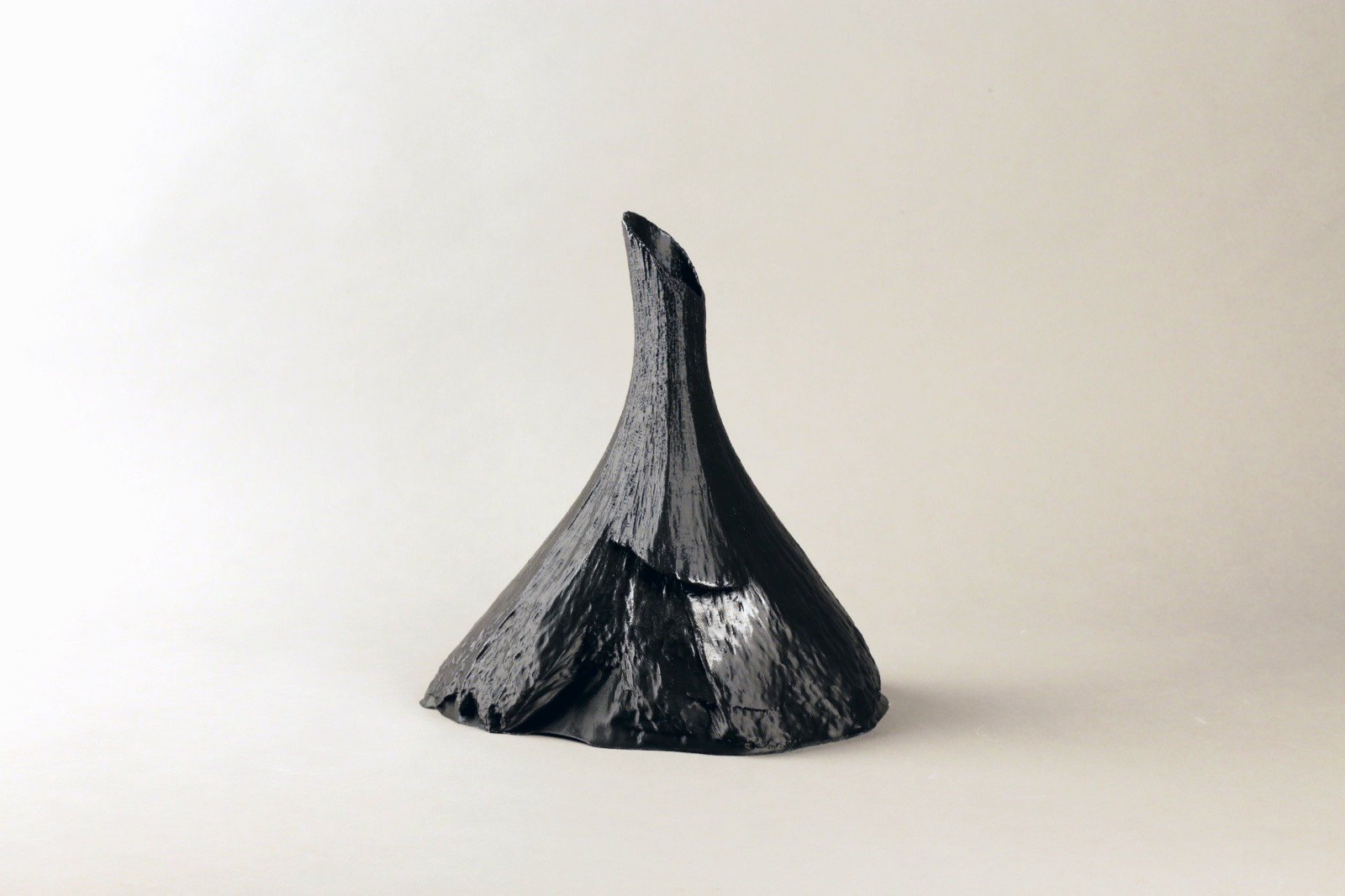
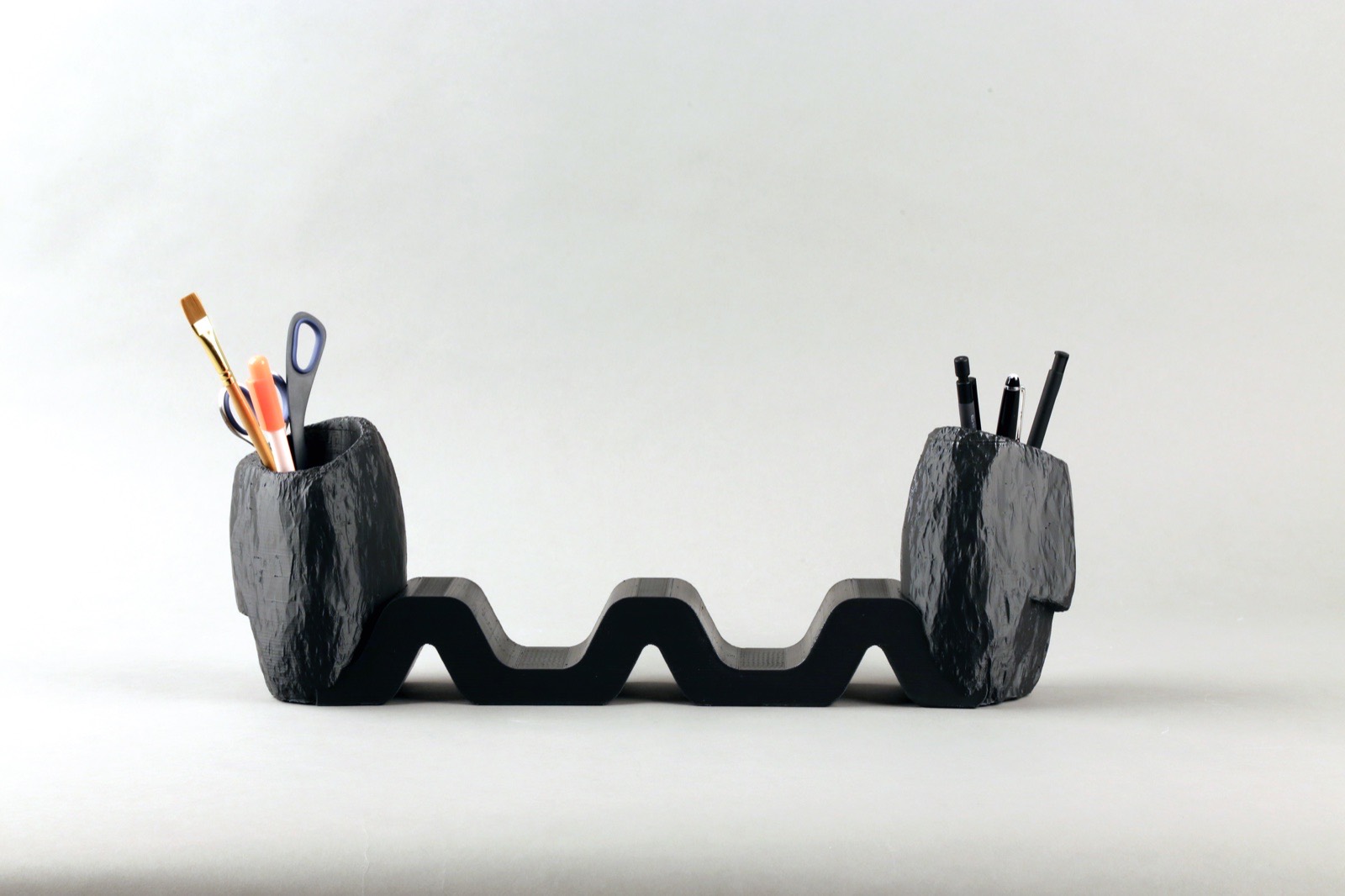
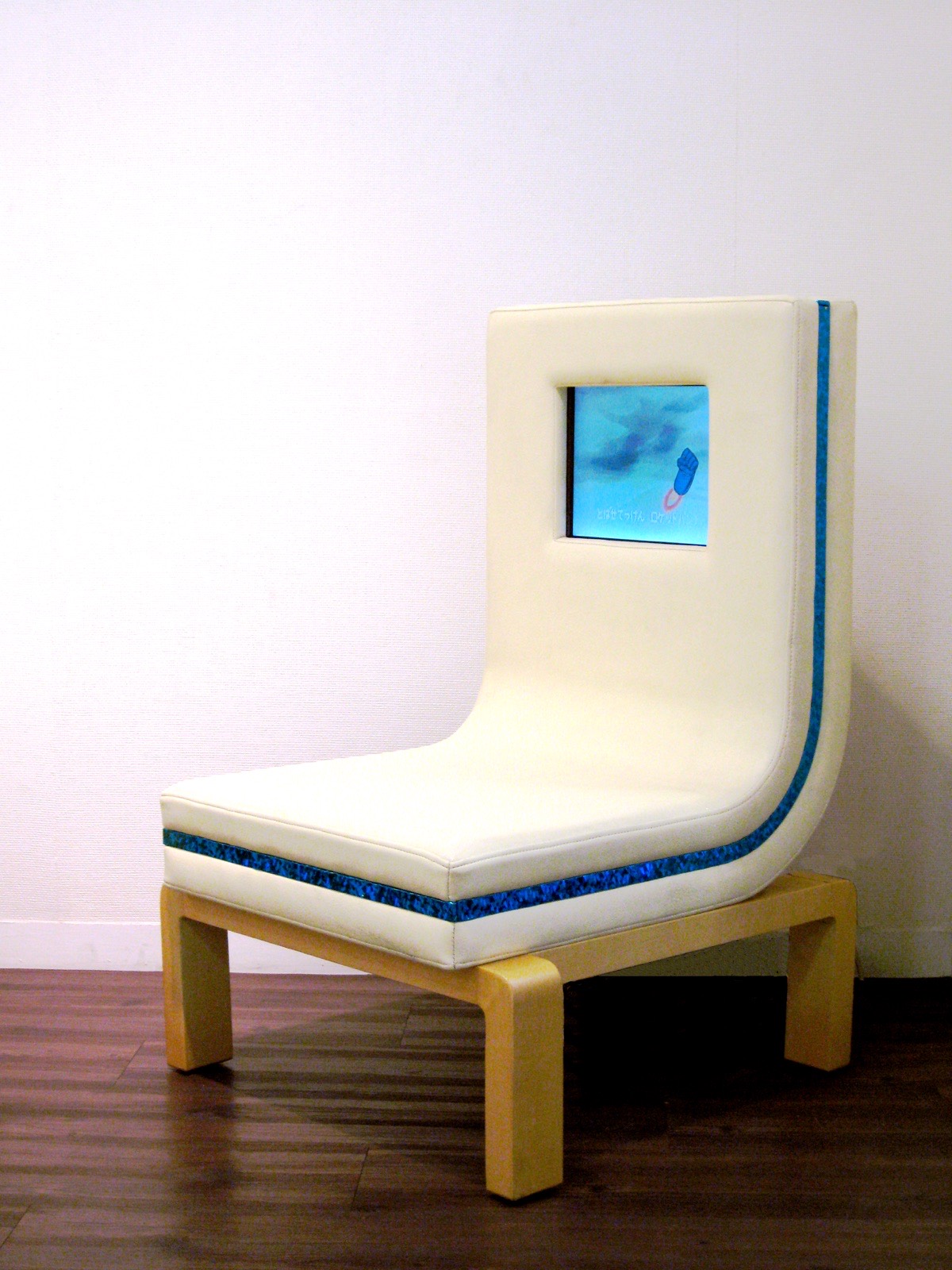
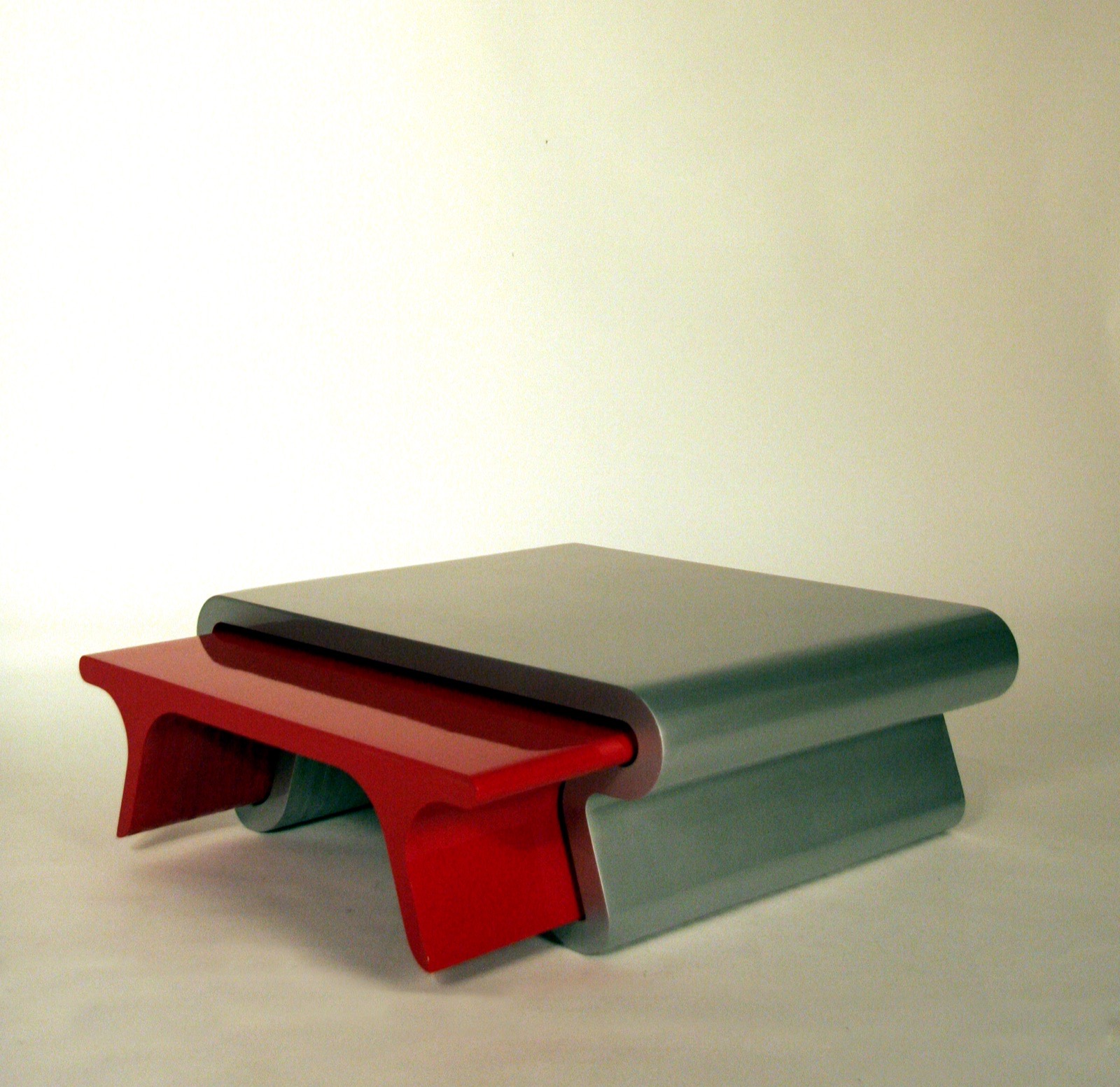
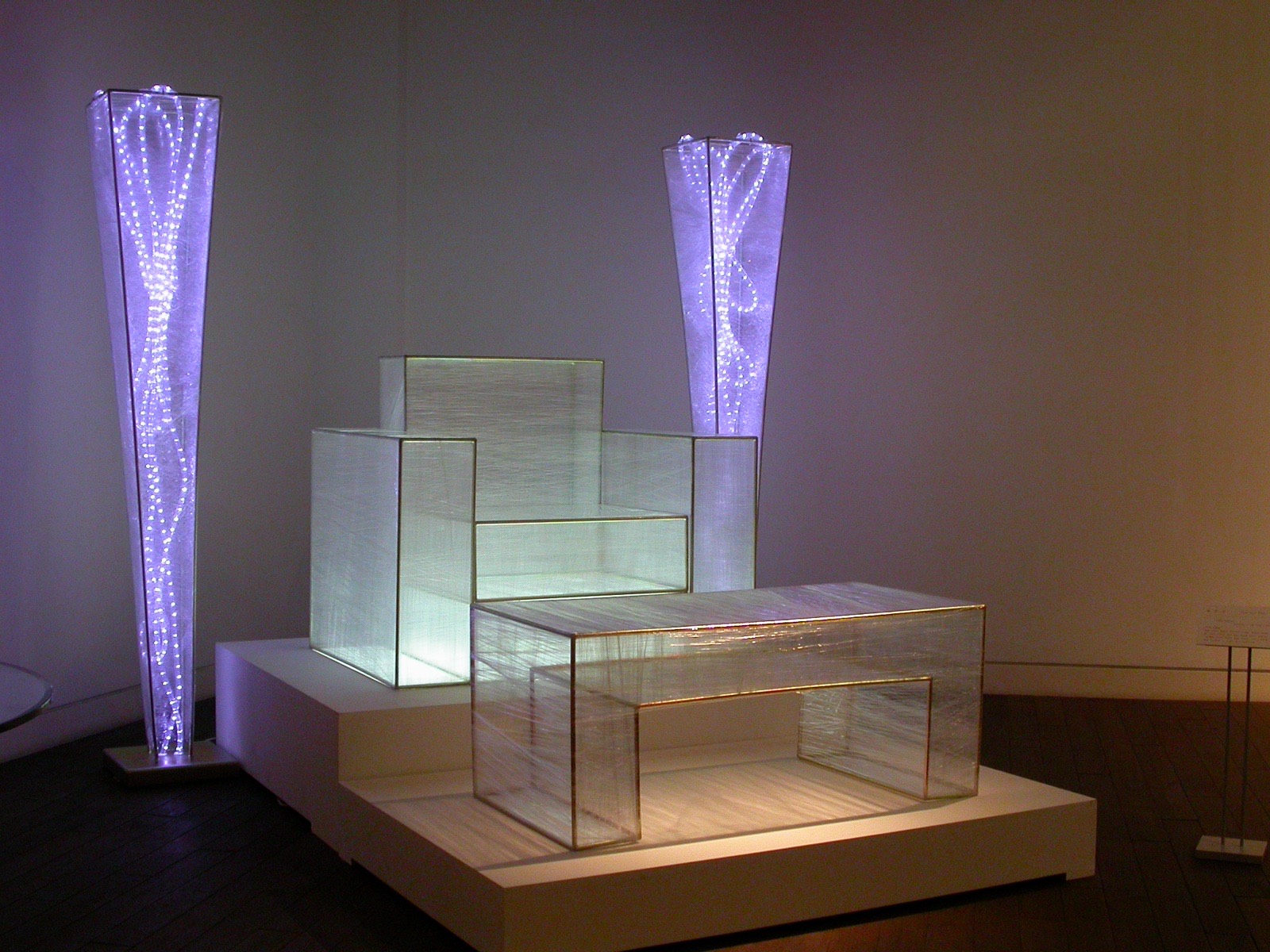
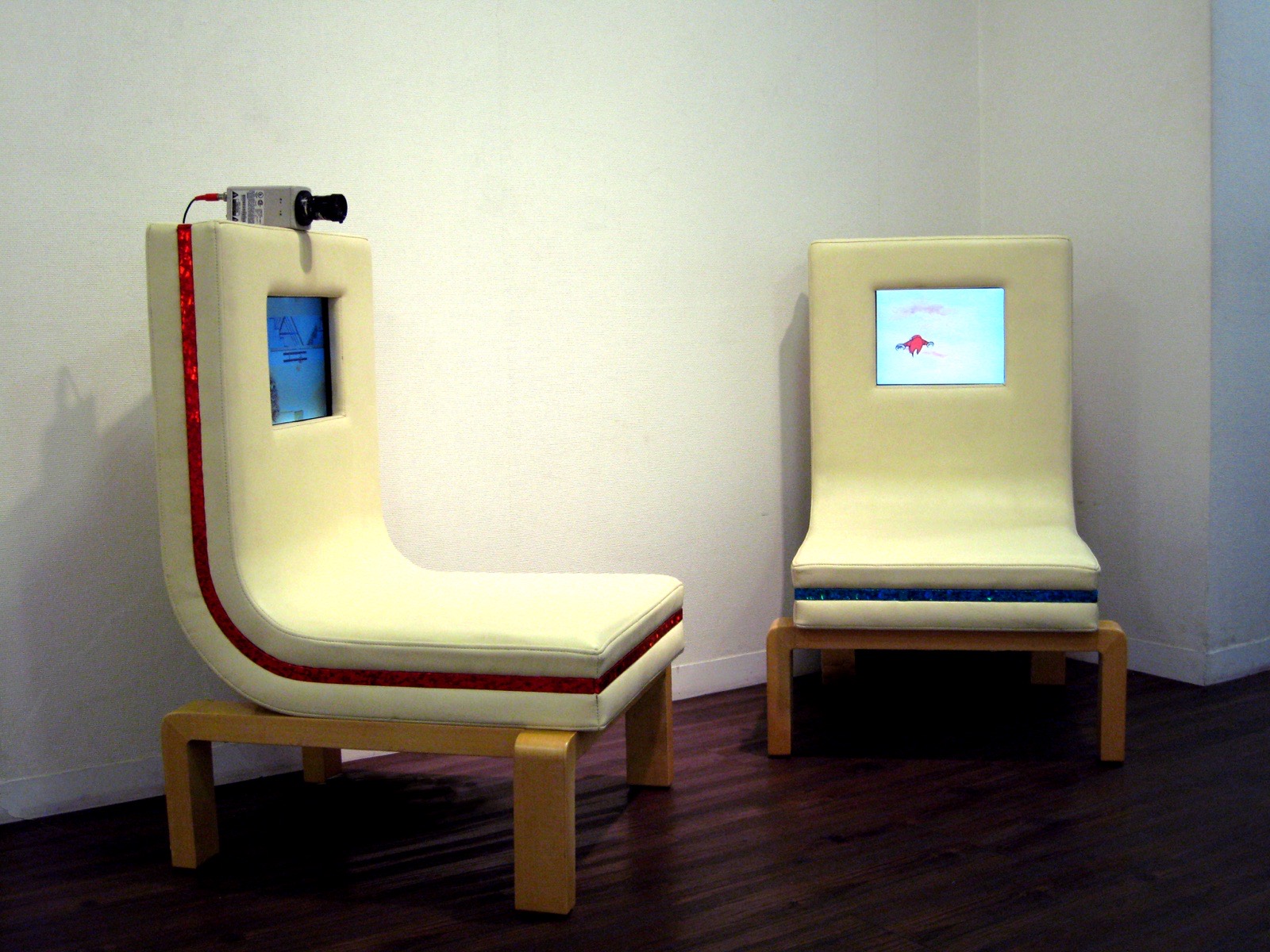
The meeting of digital and furniture began with “King’s Furniture” wrapped in cooking film (2004) and a chair with embedded LCD screens (2005), continuing through the CNC-layered Multi-Layer Furniture (2007) and the solo exhibition Mass Furniture (2012).
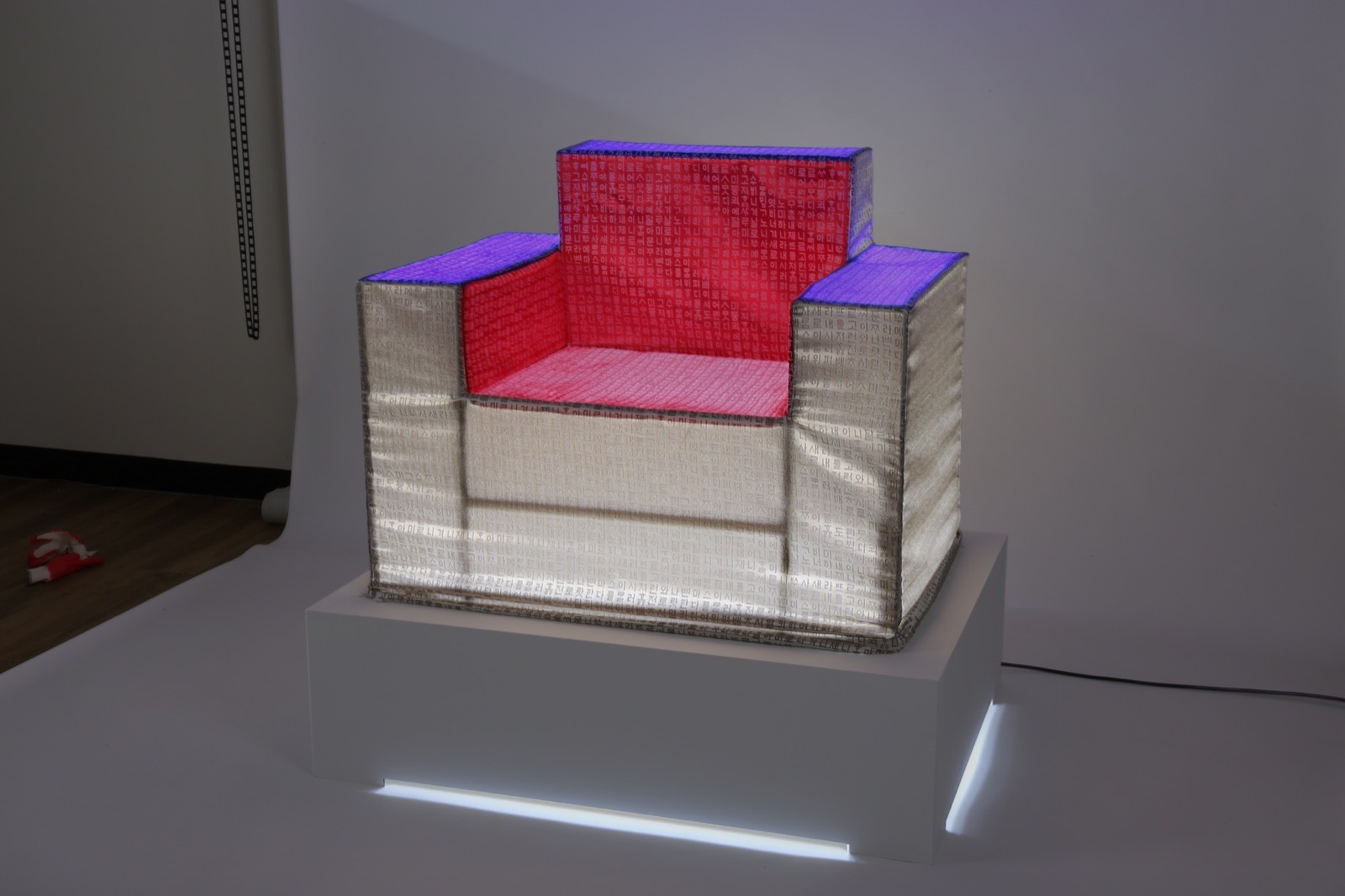
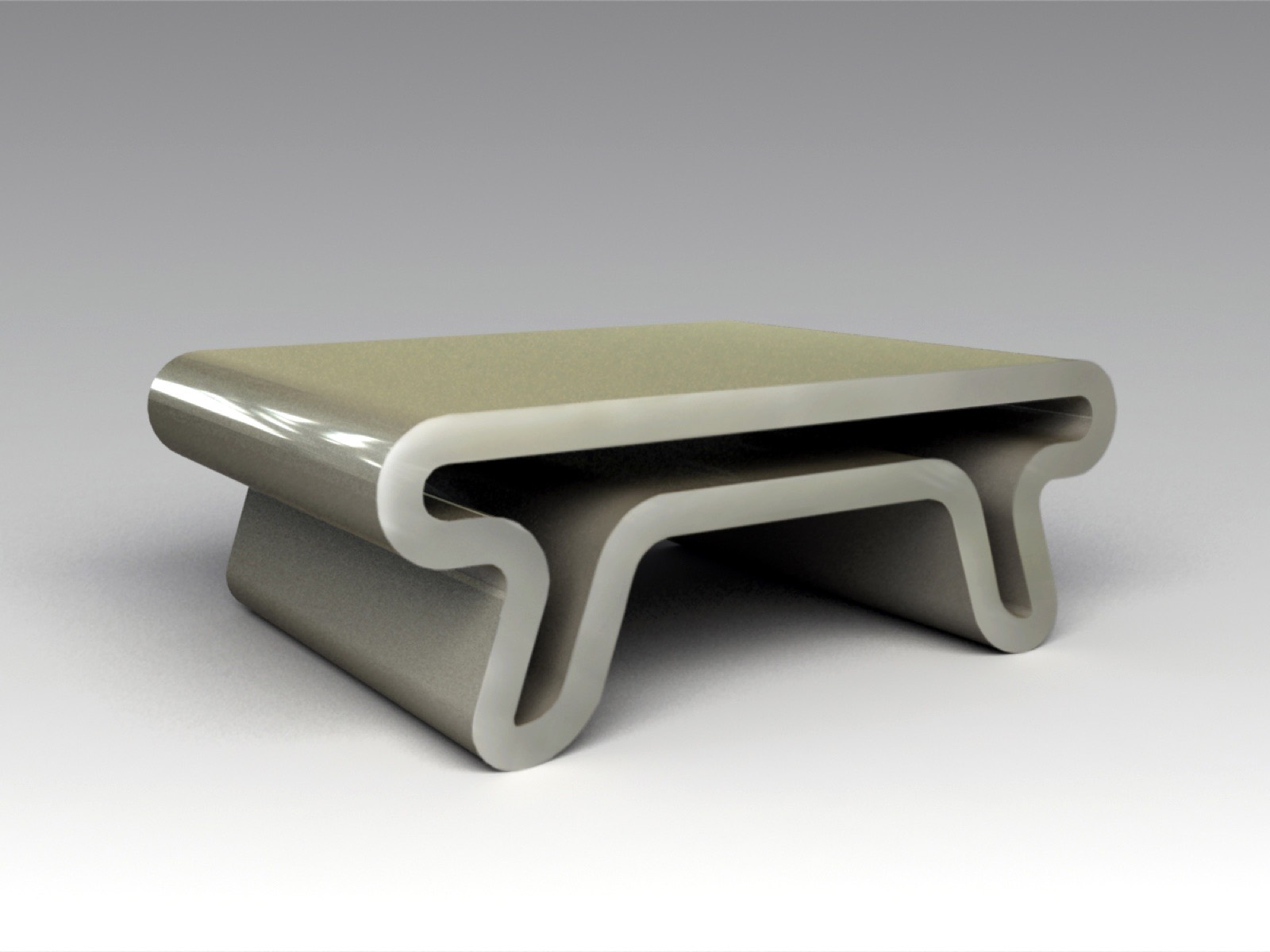
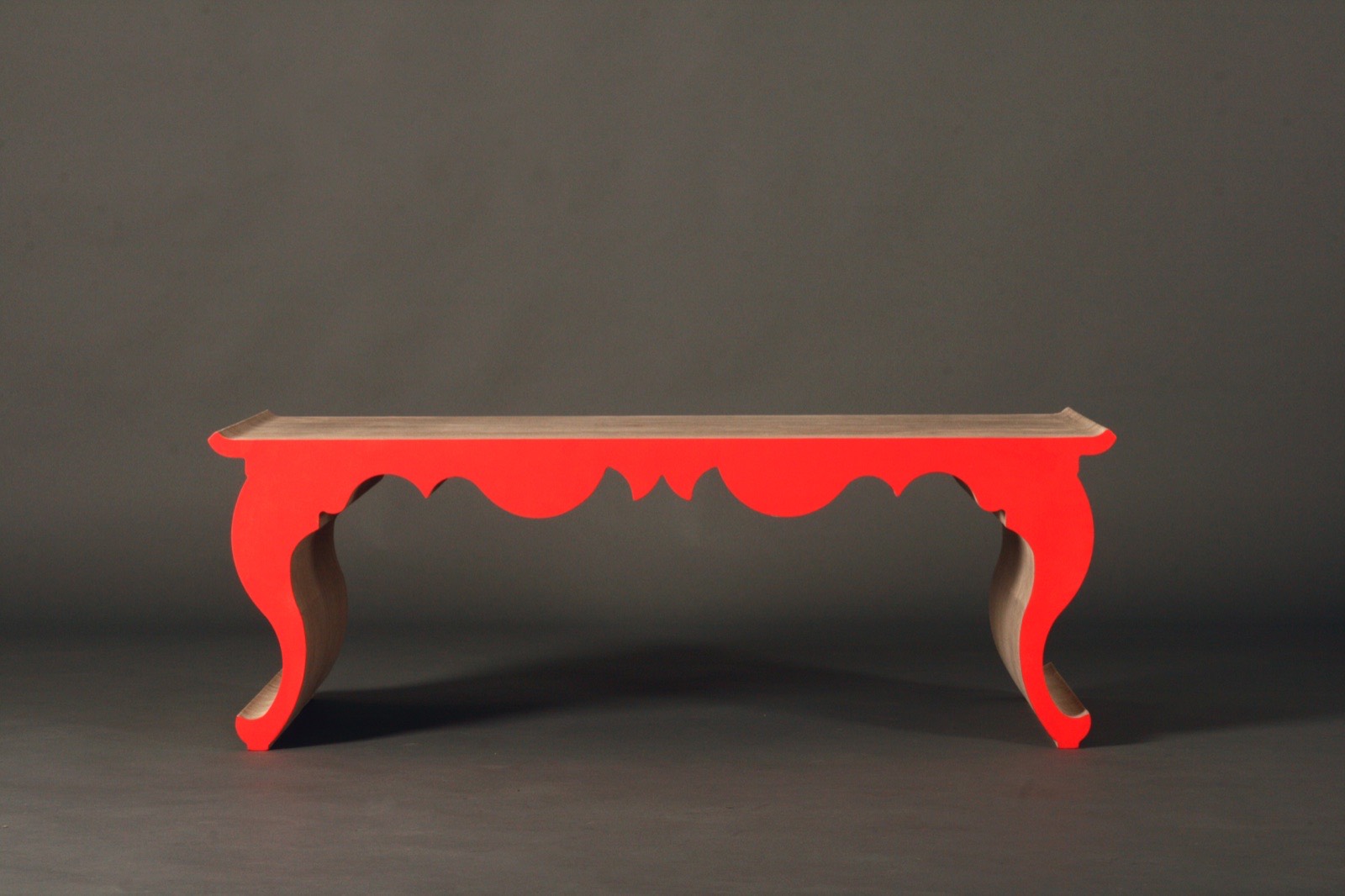
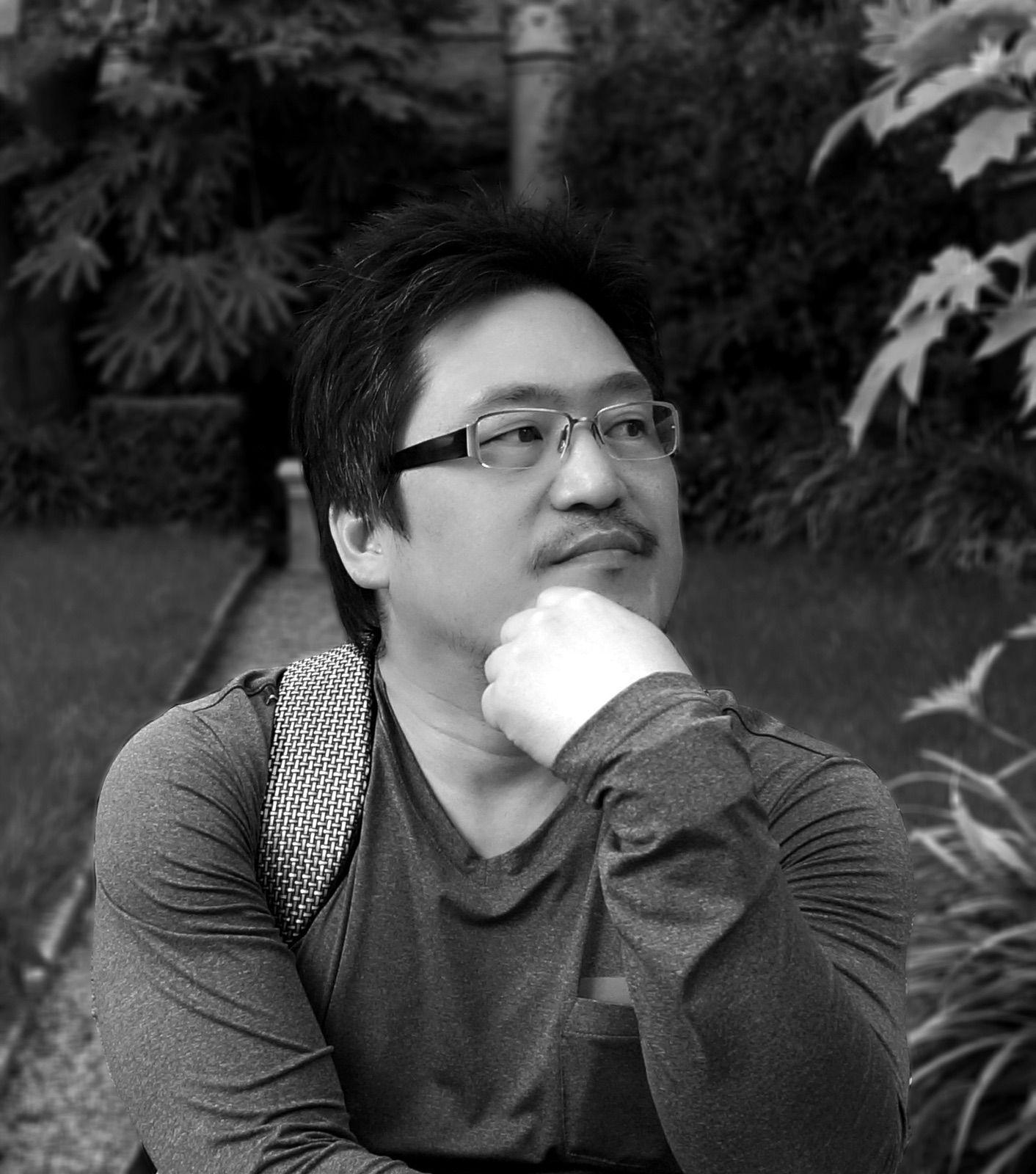
Gunsoo Kim was born in Seoul in 1967 and studied furniture at Hongik University. From his master’s thesis to his 2017 doctoral dissertation, A Study on Art Furniture Combining the Naturalistic Spirit of Korea and Digital Process, his work has pursued a single question: how can the Korean attitude toward nature and the technology of each era meet within one object?
Beginning with “Studio for Six” at the 1997 Seoul Living Design Fair, he moved through a chair with embedded LCD screens (2005), the CNC-layered Multi-Layer Furniture (2007) and the solo exhibition Mass Furniture (2012). Since 2015 his series This Is Not A Stone, another Stone and Stone and another Stone Tower—natural stones scanned, transformed, printed and joined with real stone—have opened a new chapter for art furniture in the digital age.
His work has been shown at the Seoul Museum of Craft Art, the Triennale Milano Design Museum, Gana Art Gallery, the Gwangju Design Biennale and the Cheongju International Craft Biennale. He has taught at Kongju National University since 2006 and has been President of the Korea Furniture Society since 2025.
Since 2006 he has planned, led and supervised student exhibitions in Korea and abroad. Student work at Designersblock London 2010 was featured in the UK magazine MIX, and “Living Layers” at Paris Design Week 2026 was named one of six Culturalee Picks.
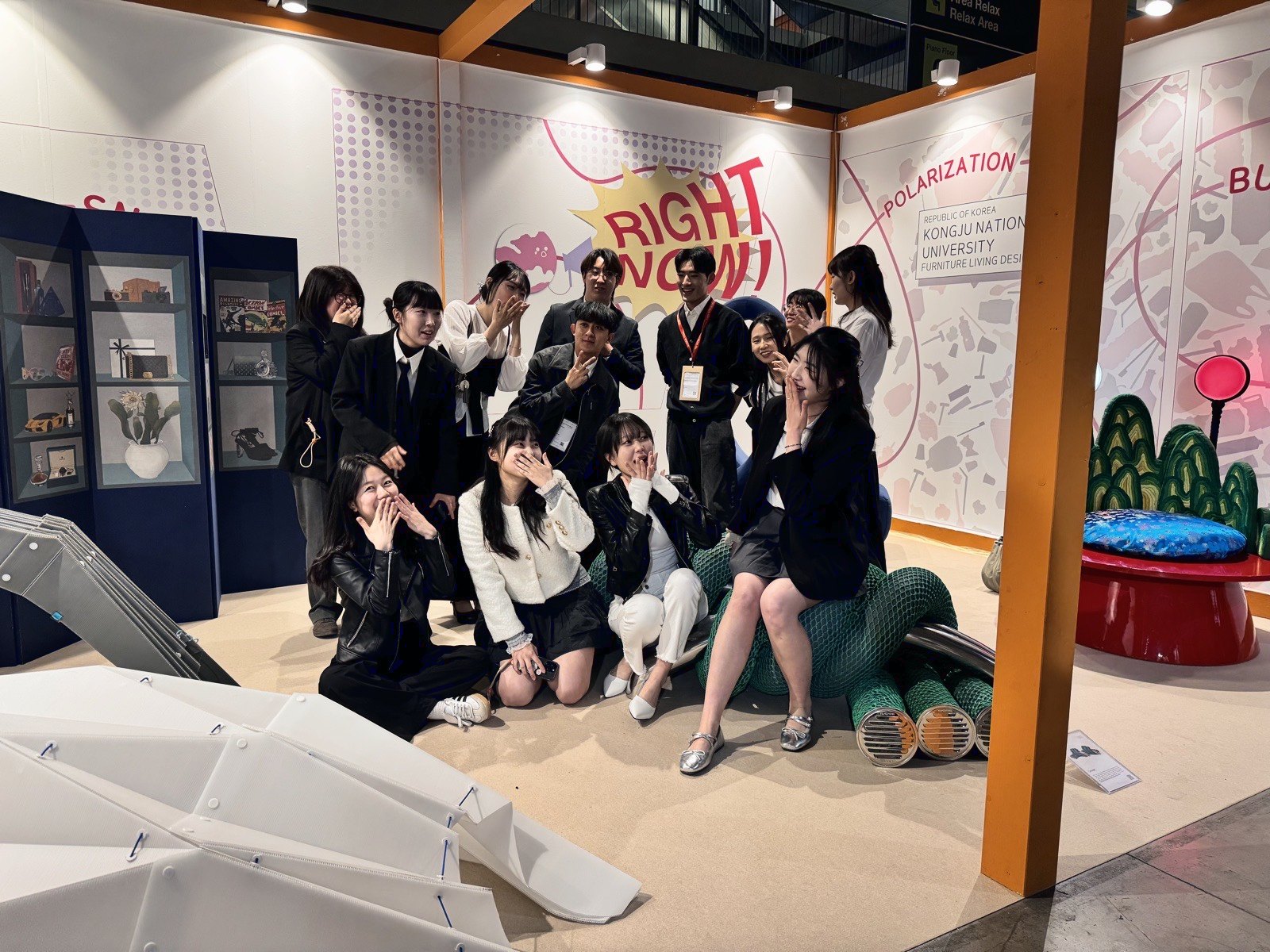
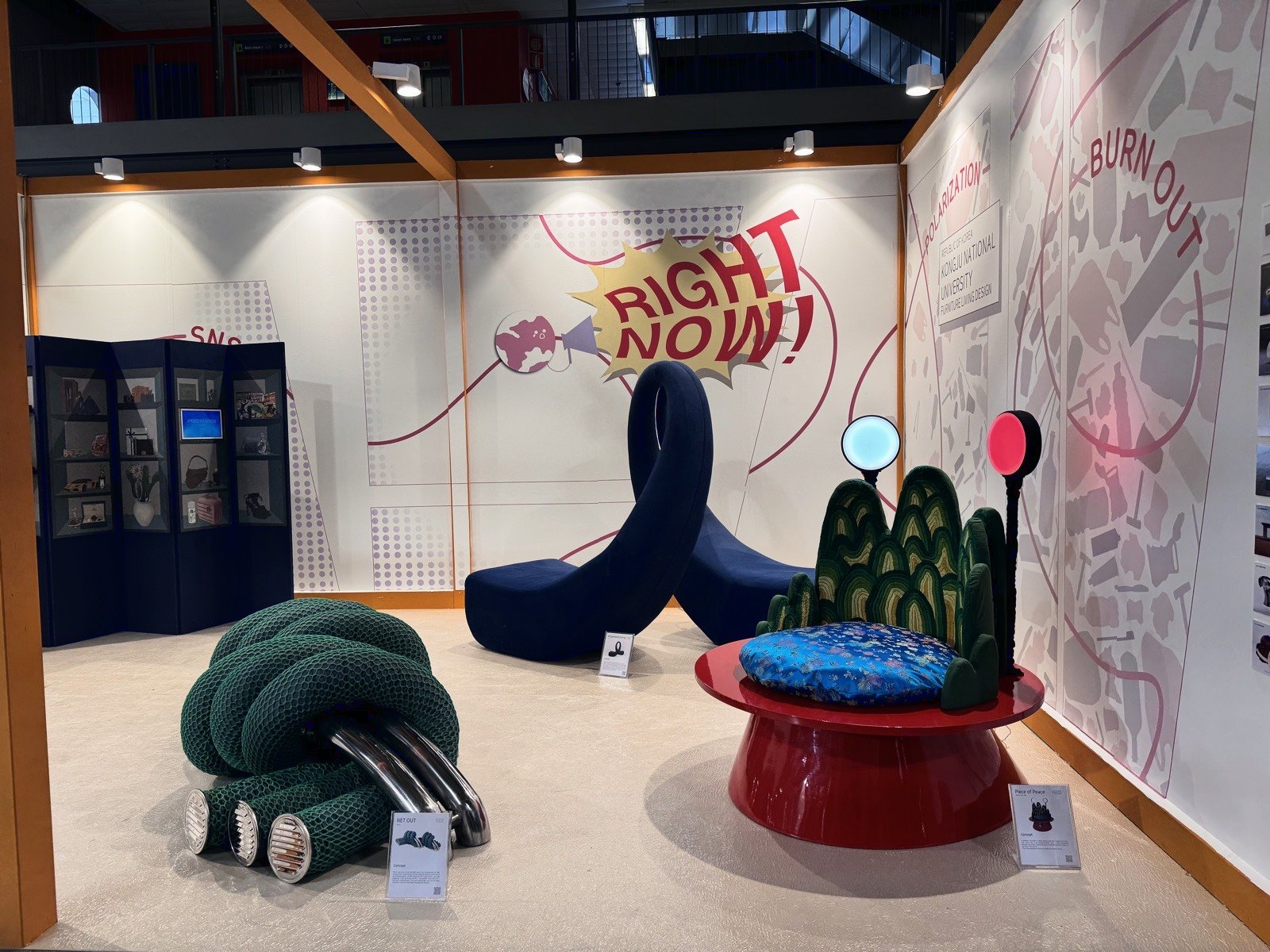
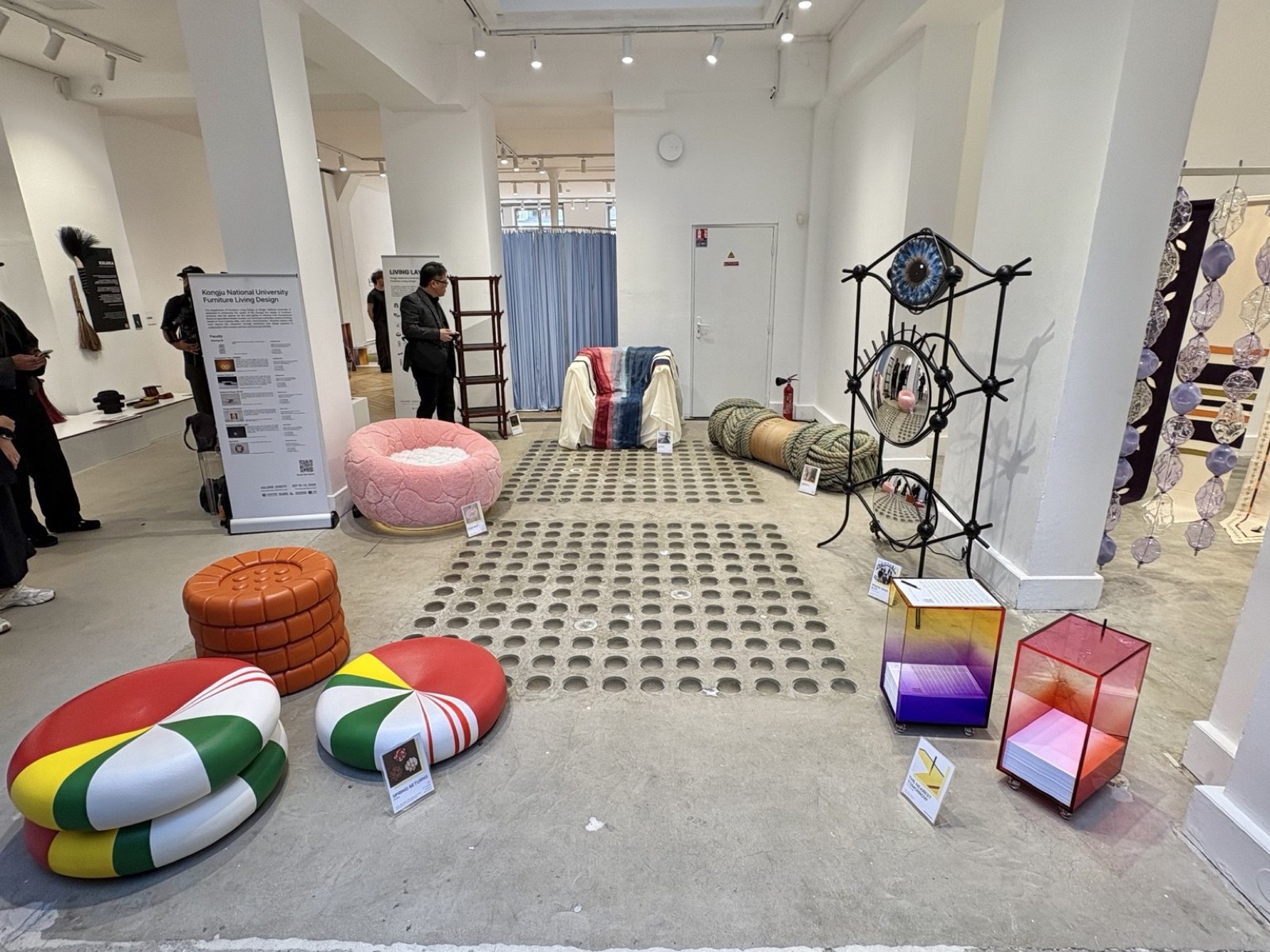
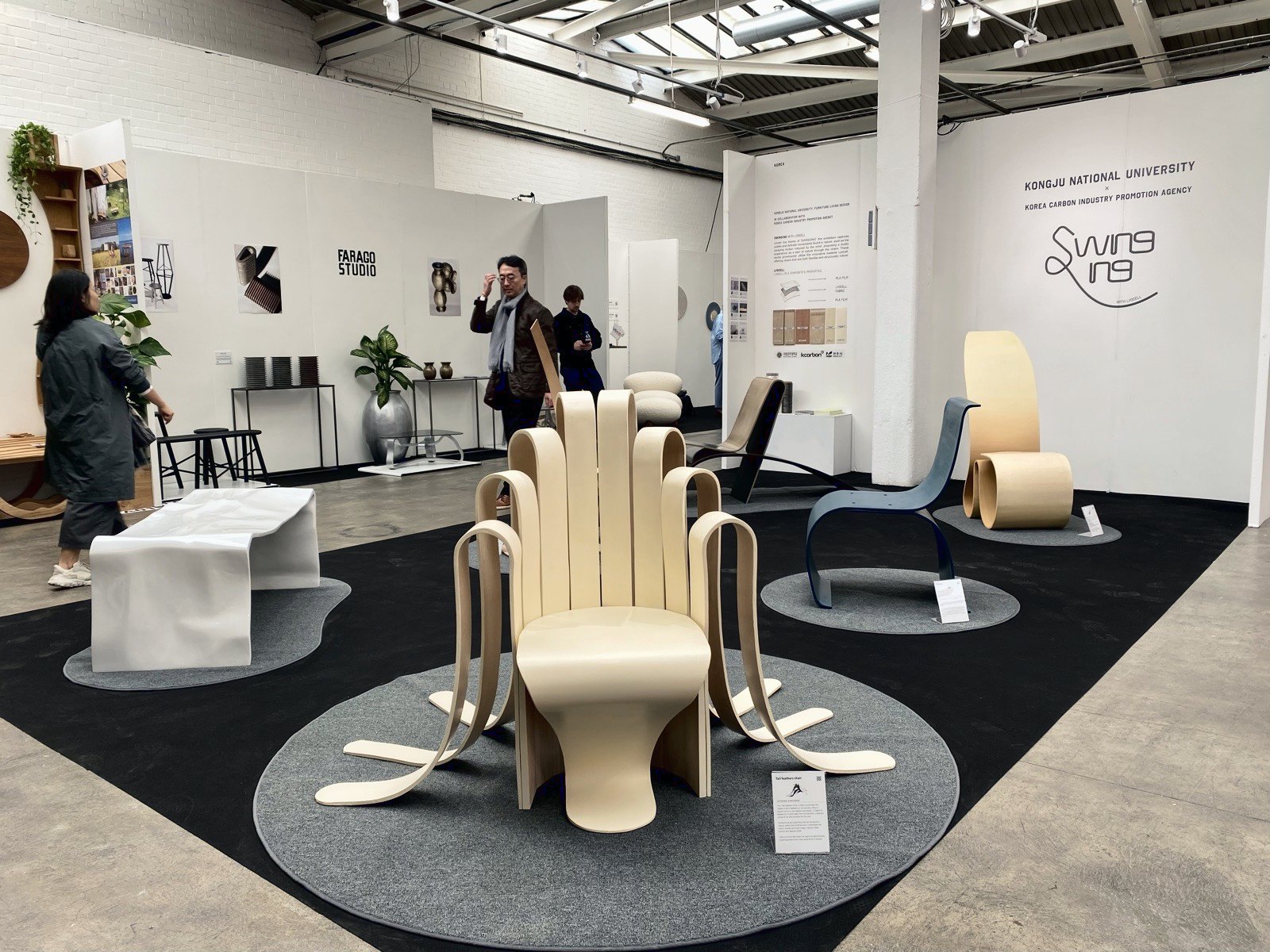
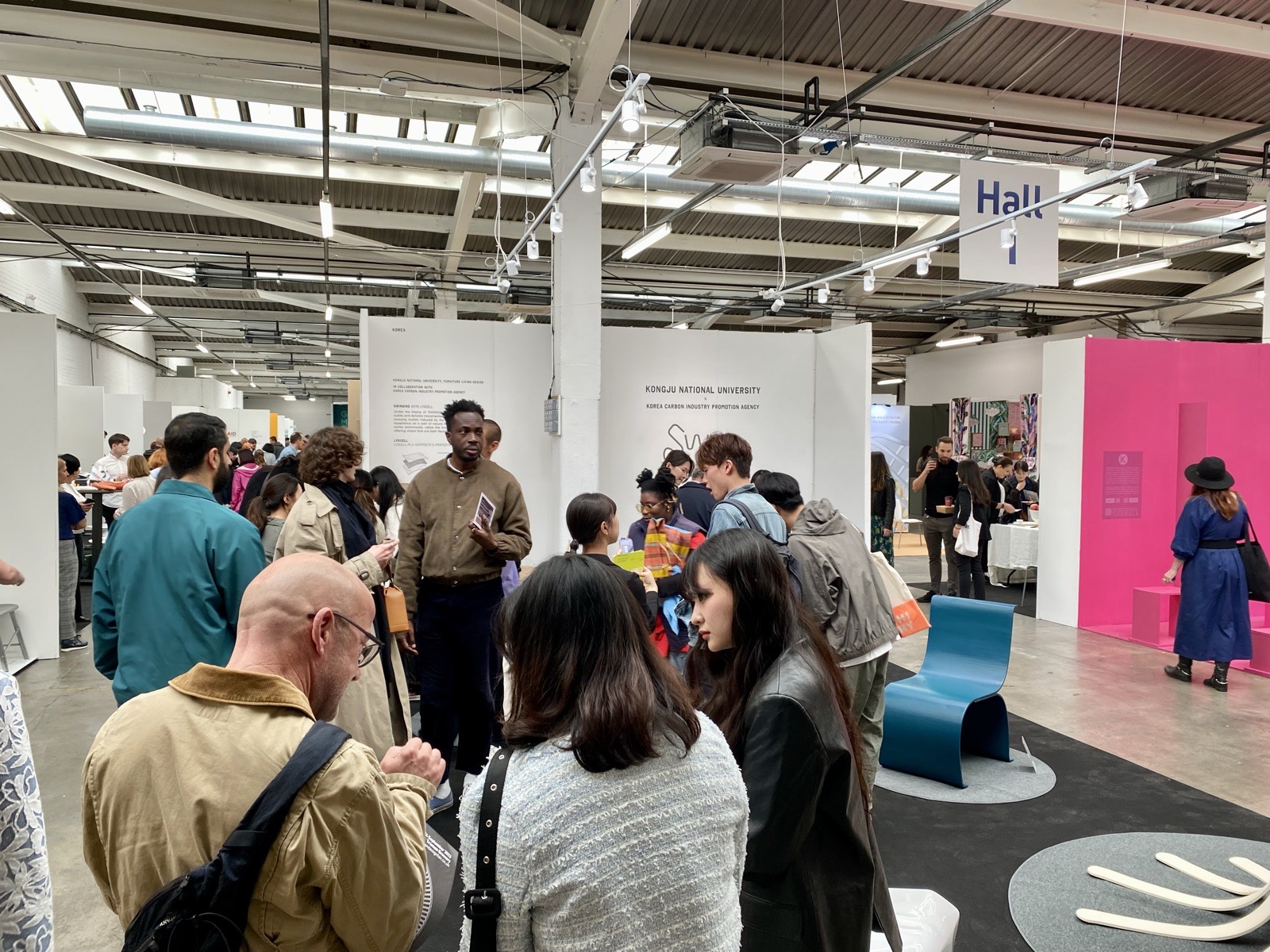
“Living Layers,” Paris Design Week 2026
Episode 998, September 2025
“The Future of the Furniture Industry,” July 2025
Issue 22, KNU students at Designersblock London, 2010
Also: Honglim Association (annually since 2000), Limlip Art Museum Invitational (2006–2024), Korea–Japan Art Exchange (2007–2023), Chungnam Industrial Design Association (2006–2023), Korean Competent Artists Invitational (2005), Korea Furniture Society Members’ Exhibitions (2004, 2005, COEX), Korean Crafts Council Exhibitions (2001, 2004, 2005), Pangdang Formative Arts (2000–2005), KCC Craft Fair (2004), Heyri Winter Light Festival (2004), Pusan National Univ. Faculty Exhibition (2003), Seoul Living Design Fair (2002), KOFURN (2000), and many more.
Memberships: Korean Society of Design Science, Korea Society of Commodity Science, Korean Crafts Council, Korean Art Education Association, Korean Fine Arts Association, Gongju / Chungnam Arts Associations, Chungnam Industrial Design Association